
Sweden’s post-election rollercoaster is heading for another loop-de-loop on Monday, with last September’s election losers hopeful of securing another term in office.
And after 11 weeks of talks, twists and intrigues, the future direction of Swedish democracy rests this weekend in the hands of a small right-wing party with just 6.7 per cent of the vote.
Late on Thursday, a majority in the Centre Party’s leadership council voted to back outgoing prime minister Ulf Kristersson, leader of the centre-right Moderates, for a second term in a parliamentary vote next Monday.
That narrow vote, after an emotional five-hour debate, appeared to dash hopes of the opposition Social Democrats and its leader Magdalena Andersson of returning to power in a centre-left coalition.
READ MORE


But the Centre’s parliamentary decision has divided the party and, after a series of failed parliamentary votes in the last few weeks, a new uncertainty grips traditionally stable Swedish politics.
“Given how volatile the situation is now in the Centre Party, I wouldn’t dare say anything before the Monday vote,” said Prof Andrej Kokkonen, political scientist at the University of Gothenburg.
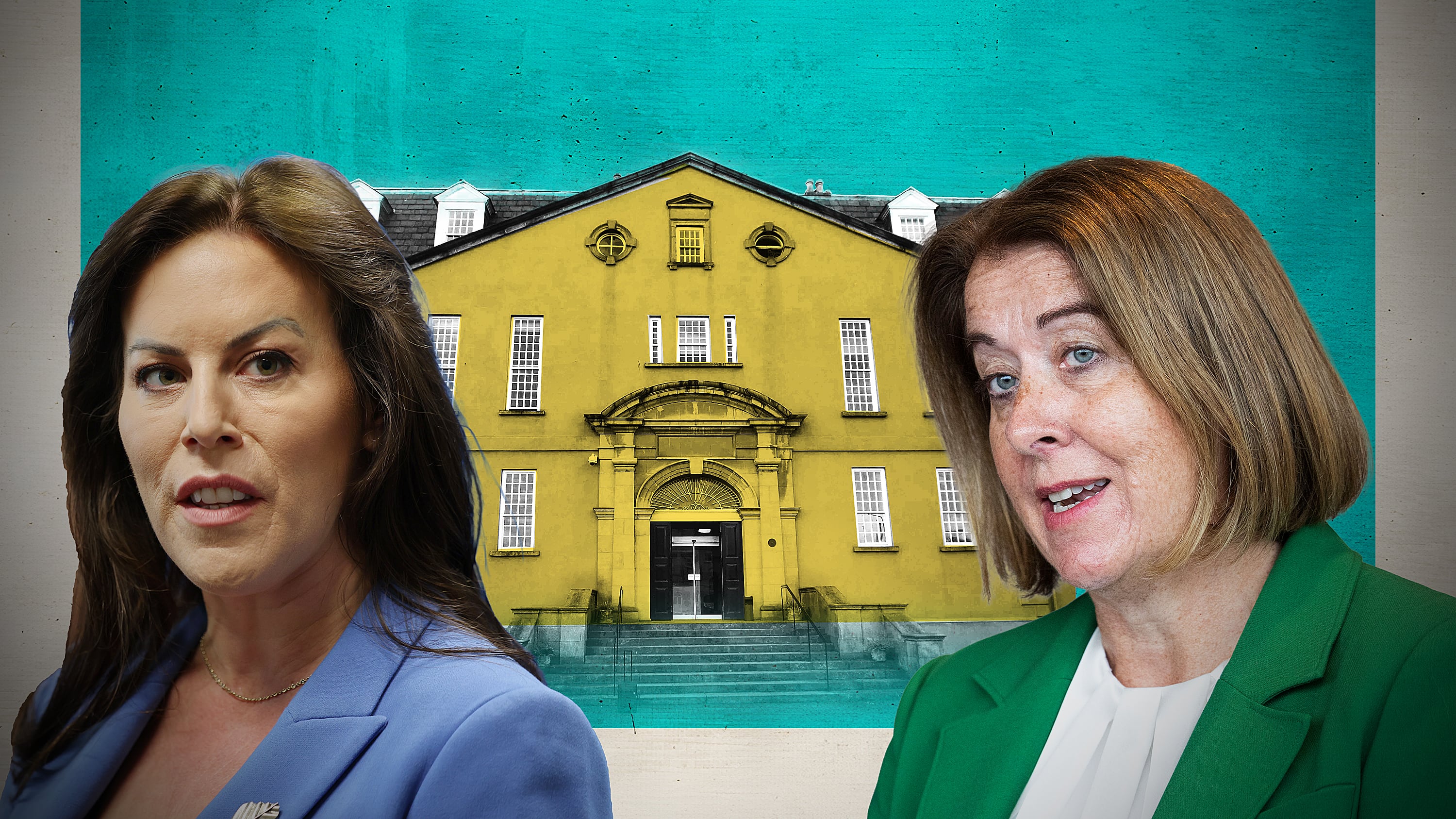
Despite its small share of the vote, the Centre Party found itself a kingmaker in coalition talks. Yet Centre Party leader Elisabeth Thand Ringqvist found herself trapped between a rock and a hard place, with two camps each opposed to a different potential partner.
Many Centre supporters are open to working with Kristersson’s Moderates, in particular given a shared economic and fiscal outlook. But any potential minority government would be dependent on floating support from the opposition far-right Sweden Democrats (SD). For a decade that has been a no-go for the Centre Party.
Sweden’s last government relied already on unofficial co-operation with the SD to advance policy, but Kristersson’s taboo-breaking invitation for the SD to join government this time around split the Centre Party down the middle.
The prospect of sharing the cabinet table with SD ministers was a step too far for many Centre MPs, saying it would break a key promise to voters.
Yet the party’s other post-election option, a new coalition led by the centre-left Social Democrats, was unappealing for another reason.
September’s poll saw a surge in support for Sweden’s radical Left Party. Its insistence on cabinet representation was as much as a no-go for some Centre politicians as SD co-operation was for some of their party colleagues.
Torn between two problematic choices, the Centre’s coalition options changed radically when populist SD leader Jimmie Åkesson announced his party would remain in opposition. Having no SD ministers at the cabinet made the prospect of power more appealing to some Centre Party leaders.
As the party debate became emotional in recent days, individual MPs broke rank in public to insist they would vote against Kristersson on Monday. These rebels suggest at least one-third of the parliamentary party are opposed to the new government, while Swedish media suggest up to 15 members could vote against Kristersson.
[ EU leaders ‘light years away’ from landing deal on union’s €1.5 trillion budgetOpens in new window ]
Going against the party line is highly unusual in Sweden’s Riksdag parliament and could plunge the Centre into an existential crisis. Yet divisions could widen after a larger weekend gathering that will bring in the party’s regional representatives.
Kristersson doesn’t need all 25 Centre MPs to secure a 175-seat majority, but the ructions bode ill for any second-term centre-right coalition. It has promised tax cuts and pro-business reforms while retaining support for Ukraine and rearmament as a new Nato member.
“Even if Kristersson is elected, the problems will come quite soon,” said Kokkonen, suggesting the centre-left Social Democrats will start proposing legislation, particularly on welfare, that the far-right SD could support. “In that way they could both vote down the government.”