The almighty Brussels budget row is about to kick up a gear. The European Union’s national leaders are coming together for two days of talks on Thursday to narrow the differences between competing camps and lay the ground for a big, messy deal in a couple of weeks.
A coalition of “frugal” governments, led by Germany, want to contain the size of the EU’s next seven-year budget by cutting Common Agricultural Policy farm subsidies and funding for poorer regions, while increasing the spend on defence and schemes to boost Europe’s economy.
A broader group of countries, which draw more funds from the joint EU budget than they put in, are fighting to protect the traditional source of cash for farmers, roads and “cohesion” infrastructure projects.
Diplomats preparing the ground for this European Council summit on Thursday are bracing for a proper clash. Some of this will involve leaders playing to the domestic gallery.
READ MORE


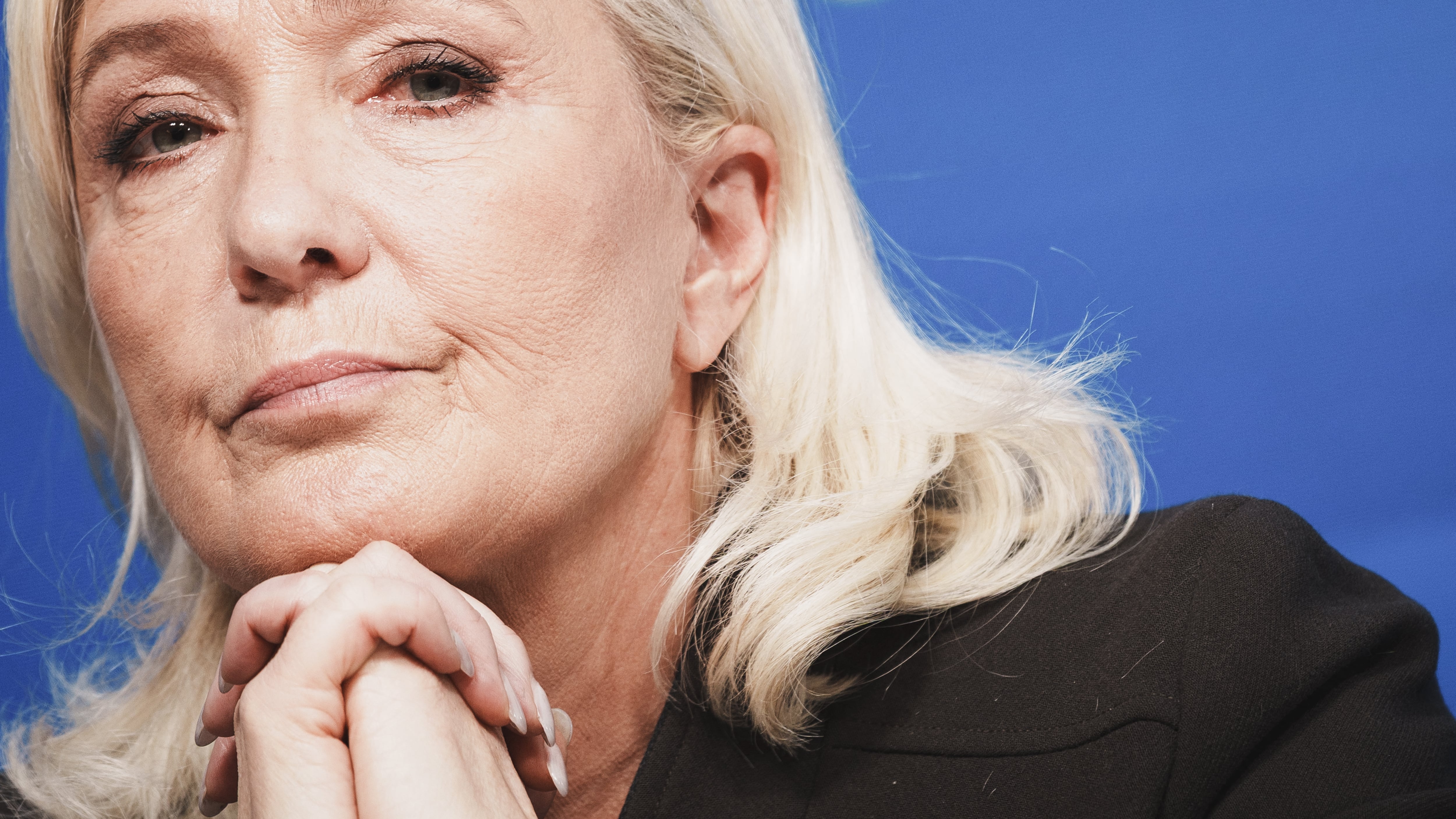
There is a rush to land a budget deal next month, or early next year at the latest, before presidential elections potentially bring Marine Le Pen to power in France in April. The far-right leader wants to slash her country’s sizeable contributions to the EU budget and hollow out the powerful European Commission.
European Council president António Costa has the job of shepherding the 27 leaders towards an agreement. The wily Portuguese socialist, who chairs the EU summits, has his work cut out.
Some numbers to get the head spinning: The European Commission initially proposed a much expanded €1.76 trillion common budget. Costa has tabled a compromise to get the debate going this week, pitching a trimmed-back package of €1.58 trillion (when figures are adjusted to compare like for like).
“More cuts are necessary,” said a top diplomat from the frugal camp.
European leaders are inching towards a number everyone can live with and sell back home. Getting there will be a bruising process.
The next budget, known as the multiannual financial framework, will run from 2028 to 2034. The vast bulk of the money comes from national contributions, in proportion to the gross national income of each member state. The summit will discuss ways to raise additional funds for the European budget.
Costa has suggested tax on the digital advertising revenues of tech giants. Ireland, the Dutch, and a handful of others will oppose a tech tax.
More palatable options include a tax paid by member states on excess electrical waste, diverting some excise duty from cigarettes and tobacco product sales, and funnelling money from climate emissions allowances bought by polluting industries into the joint EU pot. Nothing is agreed until everything is agreed.
Siegfried Muresan, a centre-right MEP who is the European Parliament’s negotiator on the budget, criticised national governments that were clamouring for cuts but wanted to protect their national interests.
“‘Cut the budget, but protect my national envelope’ is the motto of too many prime ministers. That does not make a strong budget for Europe,” Muresan said this week.
German chancellor Friedrich Merz wants to tie a budget deal to Europe’s financing for Ukraine, possibly complicating matters.
Berlin says it won’t stand for some member states refusing to take part in a €45 billion loan the EU plans to borrow as a bloc for Kyiv. The Czech Republic, Hungary, Slovakia and Bulgaria are reluctant to join the loan plan.
Merz has said the four countries – all big net beneficiaries of union funds – can’t expect Berlin to pay more into an expanded EU budget unless everyone helps shoulder the burden of keeping Ukraine funded in the war that has become existential for much of Europe.