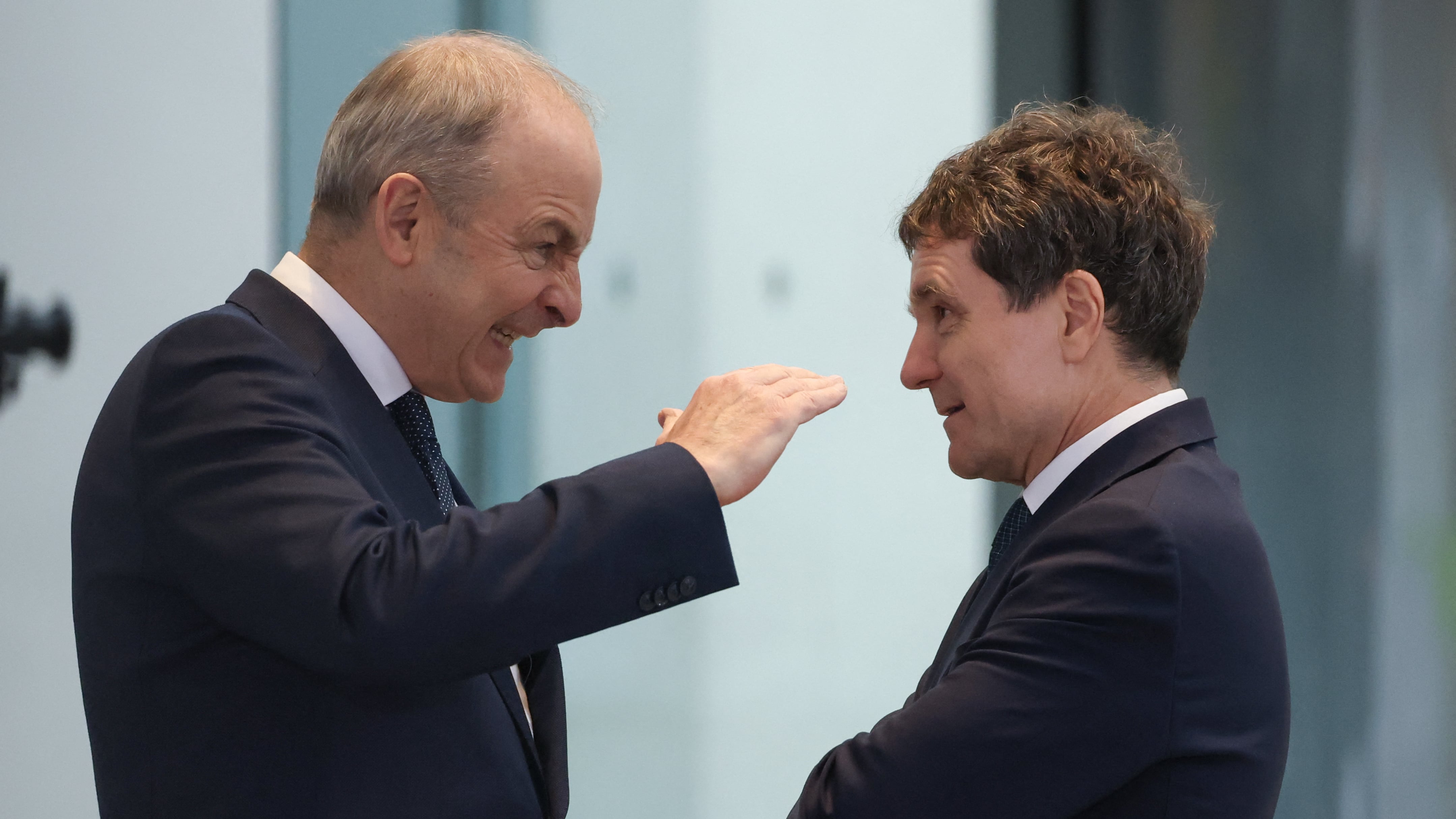
The Government is supportive of the idea that post-triple lock deployments of Irish troops overseas would take account of United Nations (UN) resolutions, but not be bound to the body’s General Assembly, Taoiseach Micheál Martin has said.
A planned reform of the triple lock by the Coalition would remove the requirement that any mission or deployment of a dozen or more Irish troops would need the cover of a UN mandate.
The Government has argued the existing system gives permanent members of the UN Security Council – the US, Russia, China, France and the UK – a veto over where Ireland can deploy soldiers on peacekeeping or other missions.
The Security Council has not approved a new peacekeeping mission since 2014 due to a deadlock between the major powers. The proposed reforms would allow for deployments when backed by the Government and a Dáil vote.
READ MORE

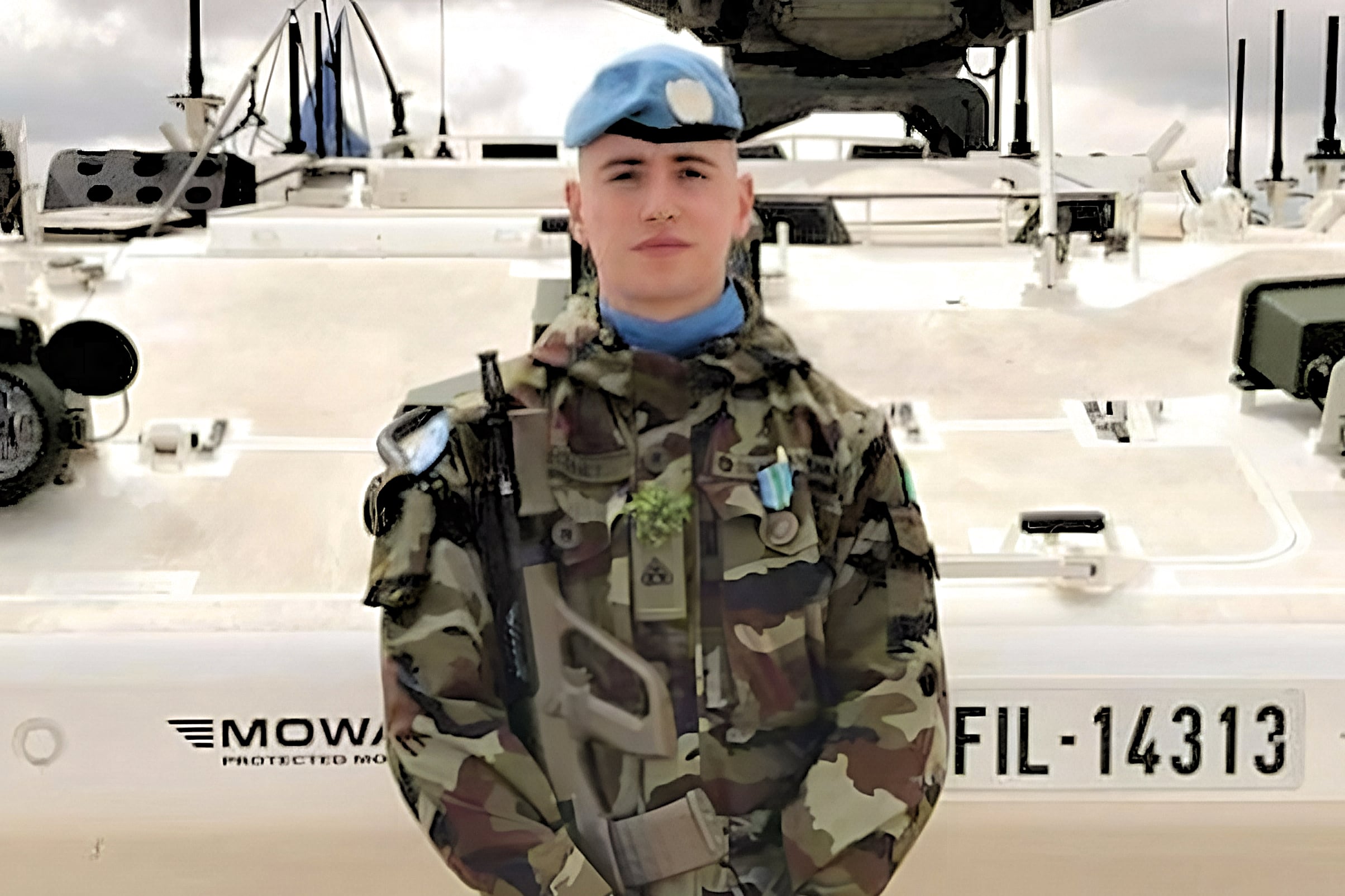


Fianna Fáil TD Willie O’Dea has put forward an amendment to make Irish involvement in new peacekeeping missions predicated on a resolution of the wider UN General Assembly. Under this condition, a minister would have to make a statement setting out how the deployment of Defence Forces personnel was consistent with the aims of a UN resolution.
Speaking on Thursday, Martin said he was open to refining the draft legislation to incorporate the thrust of the proposed change.
“I think this is something we can work on at committee stage to ensure the essence of that idea, which we don’t have a fundamental problem with, can be absorbed,” he told reporters in Berlin.
The Taoiseach said he favoured some formulation that ensured the Government had to be “conscious” of diplomatic efforts at UN-level, without binding overseas deployments of Irish troops to an approved resolution.
“There hasn’t been any General Assembly resolution in respect of a specific mission for decades and [there is] unlikely to be into the future,” the Fianna Fáil leader said.
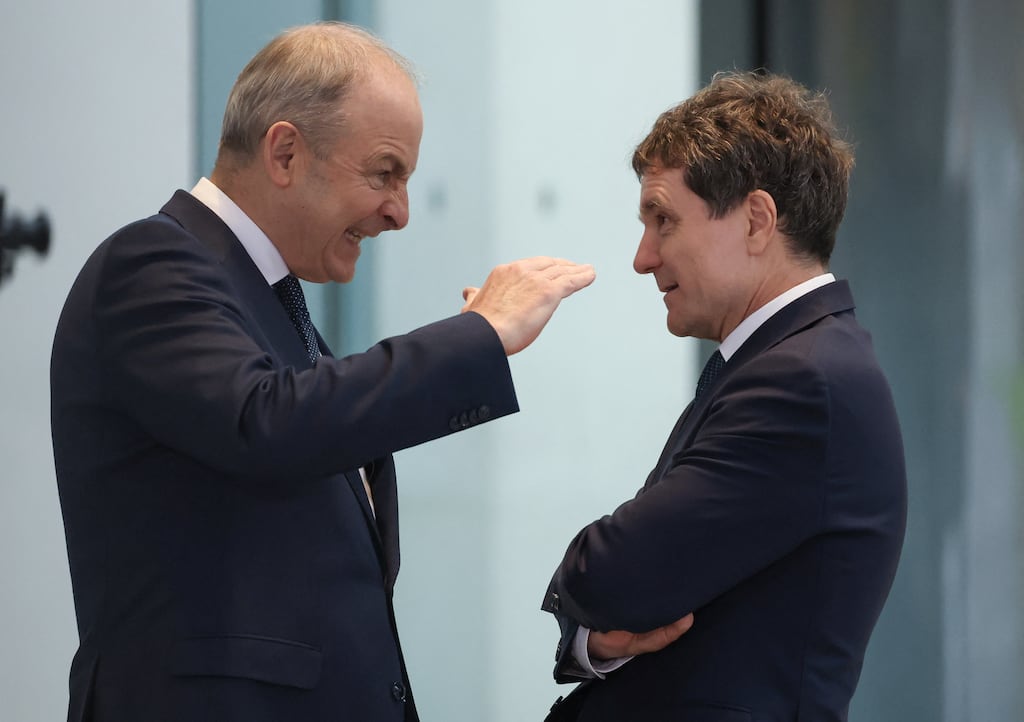
Martin was speaking in Berlin after attending a meeting of the so-called Coalition of the Willing, which is made up of European countries and other allies supporting Ukraine.
The Trump administration’s envoys, Jared Kushner and Steve Witkoff, travelled to Germany to join the discussions, which centred on how Europe can shore up Ukraine’s finances and the resumed peace negotiations.
At one point, US president Donald Trump dialled into the meeting while in the air after leaving Shenzhen, China, where he had earlier met Russian leader Vladimir Putin.
Martin said Trump told European leaders, including Ukrainian president Volodymyr Zelenskiy, that he felt there was a real opportunity for “building momentum towards peace” and that there appeared to be an acceptance from Moscow that Europeans would be involved in the next round of negotiations about a settlement to stop the fighting.
European Union leaders were in “strong agreement” with each other about the need to sign off on a proposed new €45 billion loan to Ukraine at a summit in Brussels next week, Martin said. The loan will be raised by the EU as a bloc, in effect taking on common debt to finance future aid for Ukraine.
“There was a real sense that this winter could be perhaps the worst winter yet in Europe for a long, long time, and that the pressure on Ukraine will be enormous, and that Ukraine needs a lot of immediate support,” he added.