Cutting taxes on renovating vacant buildings could boost housing supply, experts argue in a submission to Government.
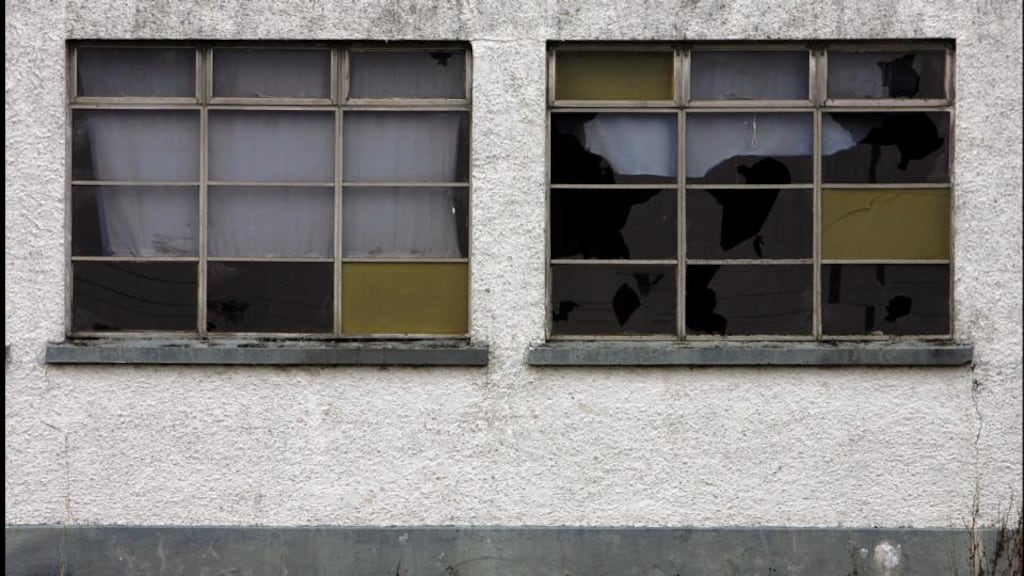
An Irish Times series, Derelict Ireland, this summer highlighted how unused properties blight the Republic’s towns and villages.
Cutting taxes and levies on renovating these buildings in next month’s budget could boost the supply of new homes by restoring them to use, says the Society of Chartered Surveyors of Ireland (SCSI).
Society president Tomás Kelly also argues that building regulations and planning requirements hinder work on renovating vacant properties.
READ MORE


“Bringing vacant and underutilised property back into use represents one of the most immediate and cost-effective opportunities to increase housing supply,” Kelly said on Thursday.
But taxes and regulations add to the cost of restoring vacant properties, particularly larger buildings, making this work less attractive for builders, he pointed out.
Rules governing fire safety and accessibility that are designed for new buildings are not suitable for older vacant structures, the society’s president argued.
Despite significant numbers of vacant or under-used buildings in prime locations around the State, these costs often mean that conversions are not viable, Kelly explained.
The SCSI’s pre-budget submission calls for capital gains tax cuts, and relief on rental income and mortgage interest payments on refurbished buildings.
Government should also reduce the 7.5 per cent stamp duty for vacant commercial buildings and slash VAT on their sale to 9 per cent, says the lobby group.
The society recommends that the Government should establish a single national register of vacant and derelict properties.
Kelly maintained that these measures would help increase the supply of new homes from this source.
Existing taxpayer-funded grants for derelict properties are effective, but primarily support single properties rather than bigger, more complex buildings, according to the society.
Most surveyors say that raising cash for work on larger vacant buildings is more difficult than for smaller structures.
Successful applicants have received €350 million from the State since the Government introduced the Vacant Property Refurbishment Grant in 2022, the SCSI says.
Kelly acknowledged that this shows that State financial aid works.
However, he argued that this money is not enough to pay for the renovation of larger buildings.
The society’s submission also says the Government should extend development levy waivers for new home building and argues that the exchequer should fund local infrastructure needed for housing.
“Our research has identified delays in planning approvals and infrastructure connections as key contributors to increased costs and slower delivery,” said Kelly.