Becoming gluten-free, whether it’s a lifestyle choice or a medical necessity, is a big change. Maybe a daunting one. You may fear your life will never be the same. You may shed a few tears. I certainly did.
I discovered that I was gluten intolerant in 2020. I was working as a chef, with dreams of opening my own pasta restaurant. It was the peak of Covid-19, so my doctor told me over Zoom. I turned off my camera so she wouldn’t see my puffy, swollen face. Afterwards, I spent a sad few days trying to imagine a new life plan – I could do a desk job maybe, dreaming of kitchen days spent kneading dough with flour puffing up around me in dramatic clouds. I couldn’t see a future that involved cooking – and moreover, baking – in the way I knew it to be. And when Covid’s grip loosened, how would I ever eat at a restaurant again? How would I handle this overwhelming allergy?
Six years later, my outlook has transformed. I write this just after eating a bowl of spaghetti carbonara, made with gluten-free pasta. I still work as a chef. I eat out regularly. My plans for the future have changed, but they are still exciting. My life is largely the same as it once was. Here are my tips for navigating the five main places where you’ll need to adopt different habits to maintain your new lifestyle.
1. At the grocery shop

The first thing to do is to start reading labels. Gluten can be found in things that may not be obvious. The most common gluten-containing ingredient is wheat, found in bread, pasta and baked goods. Other gluten-containing grains include barley, rye, spelt and oats that are not labelled as gluten-free. Gluten can be found in many premade foods, such as cereals, mixes and sauces, including soy sauce. Make sure to read all labels to determine whether the food is safe to eat. Allergens will be in bold. If you live with coeliac disease, look out for gluten-free certification on labels.
READ MORE


Gluten-free food has improved enormously over the past few years, with many replacements almost indiscernible from the real thing. Luckily, there are many options at the grocery shop that are naturally gluten free. Unprocessed fruit and vegetables, beans and legumes, meat and fish products, nuts and seeds, and dairy products are safe to eat.
There are also many carbohydrates that are naturally gluten-free, such as rice, buckwheat, quinoa, millet, corn, teff and, thankfully, potatoes. If food is processed, like sausages, fish cakes, flavoured nuts, potato chips, or premade cheese sauces, check the ingredient list before purchasing.
2. At home
Being gluten free is a great motivator for exploring different recipes. And you can still cook most of your favourite foods at home, with a few changes. Swap out normal pasta for gluten-free pasta, for instance, or wheat flour for a gluten-free blend. Use rice noodles in your ramen or seed-based crackers on your cheeseboard. Make a quesadilla with corn tortillas instead of flour ones. And if you feel up to it, there are many great recipes for gluten-free replacements online. I have successfully made pizza, bread, dumplings, pasta, cinnamon rolls and more from scratch. It may take some trial and error, but learning is a gift. And when it goes well, it will be all the more satisfying.
3. In restaurants

How to approach eating in restaurants will differ depending on whether or not you have coeliac disease, and must be aware of cross-contamination. If cross-contamination is an issue, research restaurants that are certified gluten-free, or have separate gluten-free areas. Don’t hesitate to call a restaurant beforehand to seek information on this. I usually look at menus online to understand whether there will be gluten-free options.
It’s also a good idea to prioritise cuisines that offer naturally gluten-free dishes, such as Thai and Vietnamese, which focus on rice or rice noodles, and fish sauce instead of soy sauce. Indian and Mexican cuisines are also good options. I bring my own gluten-free soy sauce to Japanese restaurants, in case they don’t offer it, so I can have sushi (avoid imitation crab, spicy tuna rolls, and other sauces, unless they are confirmed to be gluten-free). Always inform servers about allergies before ordering.
4. Abroad
It may be a good idea to travel to places with cuisines that have naturally gluten-free options. There are exceptions to this: Italy, for instance, despite its fame for gluten-containing dishes such as pizza and pasta, is one of the best places for gluten-free travel, as many establishments offer such alternatives. Research how to ask if food is gluten-free in the native language, if applicable, or print out a card in the native language explaining your situation. I carry snacks such as banana or nuts in case I am hungry, as it may be more difficult to find gluten-free snacks in an unfamiliar place.
5. At the pub
All hard liquors, even if made from gluten-containing grains, are safe to consume. Wine and cider are also good options. Many pubs offer gluten-free beer by the bottle, which is a decent substitute. Unfortunately, nothing can replace a pint of Guinness, but here’s an easy and reliable recipe for a wonderful gluten-free cake, to make up for it:
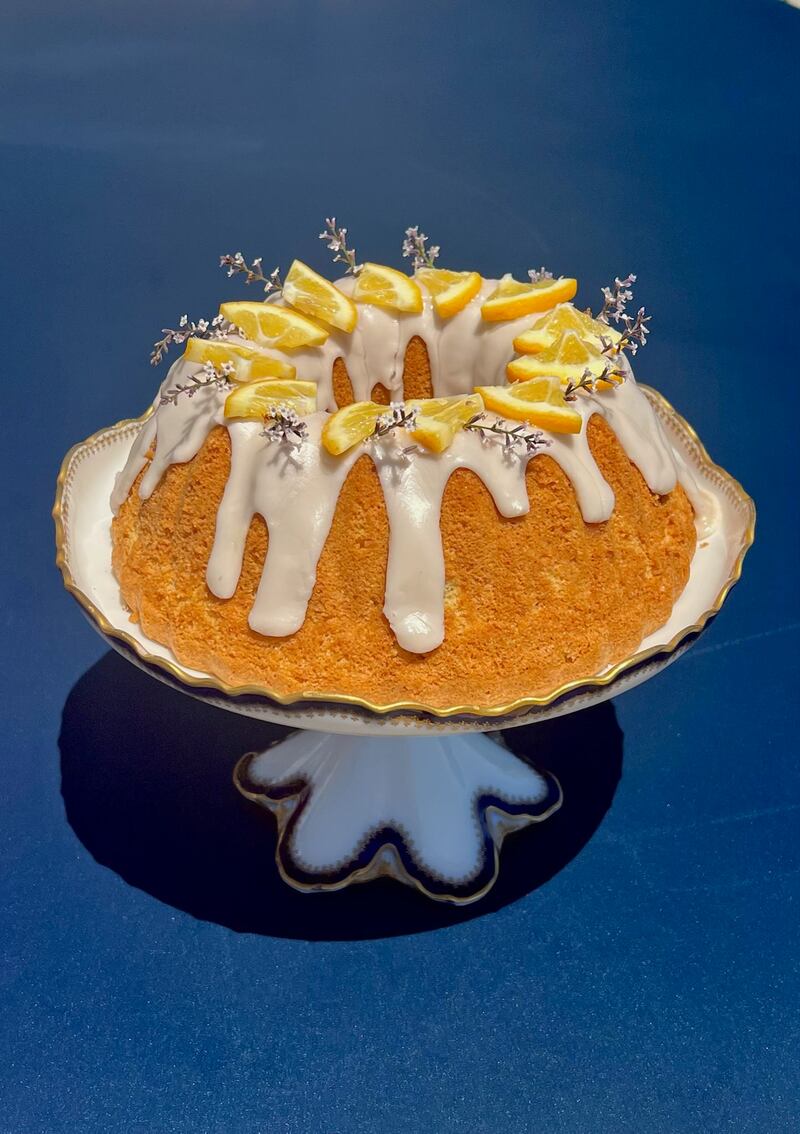
Gluten-free cake

Ingredients
- 250g finely ground blanched almond flour
- 180g caster sugar
- Six eggs
Method
- Preheat the oven to 170 degrees fan setting.
- Line a eight-inch cake tin with parchment baking paper.
- Separate the egg whites and yolks into two large bowls.
- Beat the egg whites with an electric mixer until they have reached stiff peaks – light and fluffy like a cloud.
- Add the sugar to the egg yolks, and beat for a few minutes with an electric mixer until the mixture has turned pale yellow.
- At this point, feel free to add any flavouring of choice, such as vanilla extract, almond extract, cocoa powder, citrus zest, mixed dried fruit and nuts, or spices. This cake batter is remarkably resilient and will hold up as long as the additions do not drastically alter the consistency of the batter, ie a large amount of liquid.
- Add the almond flour to the egg yolks and sugar and mix until combined. The mixture will be very thick.
- Add the egg whites to the egg yolks, almond flour and sugar, beating in a small amount at a time with an electric mixer. When two-thirds of the egg whites have been added, the batter will be much looser. At this point, switch to a spatula and fold in the rest of the egg whites by hand to preserve the air and lightness.
- Pour the batter into the lined cake tin and bake for 35-45 minutes, or until the top of the cake is golden brown and a toothpick inserted into the cake comes out clean.
- Turn cake out on to a wire rack to cool completely.
- Enjoy as is, or serve with fruit and cream, or decorate with icing. You can even arrange sliced fruit on top of the cake three-quarters of the way through baking. The options are as endless as your imagination.