

Plans for an expansion of the Grano empire have been Dublin 7’s worst-kept secret for months, with locals closely – and somewhat impatiently – watching the work being carried out at 17 Stoneybatter since the start of the year.
But despite the neighbourhood nosiness, there has been infuriatingly little to see as owner Roberto Mungo has been very careful to keep the precise details of what he has been planning under wraps.
Late last week, a big, bold black and white sign appeared over the door of Number 17. All it said was “Banco”.
But Banco is not a bank – such things have long since disappeared from Stoneybatter – and when the newspaper pages covering every inch of the plate glass frontage are removed, they will reveal Mungo’s latest homage to Italy’s food culture.
READ MORE


From Tuesday, June 2nd, Banco will serve authentic of Italian pastries in the morning, filled savoury focaccias at lunchtime and Roman pizza slices in the evening. It will also sell the breads and the fresh pastas that have made Grano across the road so successful, this time for customers to finish at home.
There will be house-made breadsticks, crackers and cookies as well as Grano’s signature tiramisu. What there won’t be is a belt buckle closing properly in the ‘Batter by the end of the summer.
Mungo describes his latest enterprise – a literal stone’s throw from Grano and his wine bar A Fianco – as “a boutique artisan bakery and takeaway dedicated to the craft of Italian baking and pasta, with grain at the centre of everything”. The name comes from the idea of coffee and food “al banco”, or “at the counter”.
And it is not just any old grain. He will be using the ancient grains grown by his father on a piece of land in their home place of Calabria in southern Italy.
Mungo, who opened Grano eight years ago, says his long-held dream was to have a working “forno”: a bakery where dough is mixed, fermented, shaped and baked throughout the day.
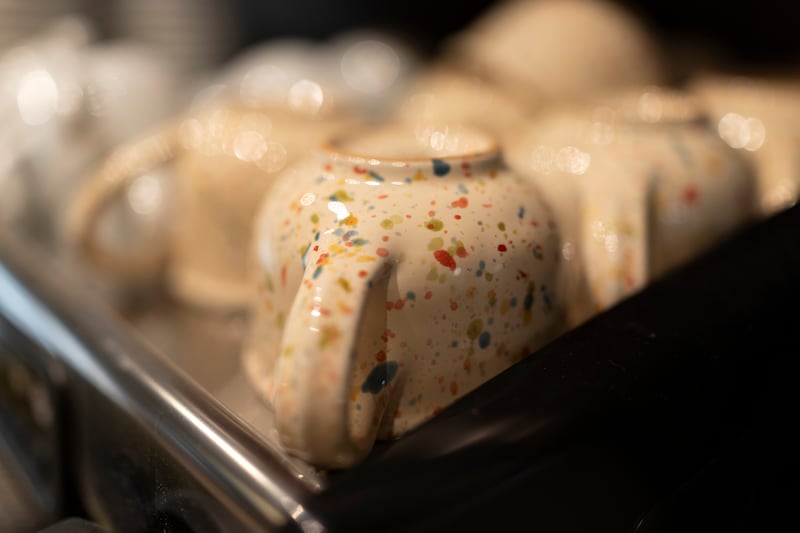
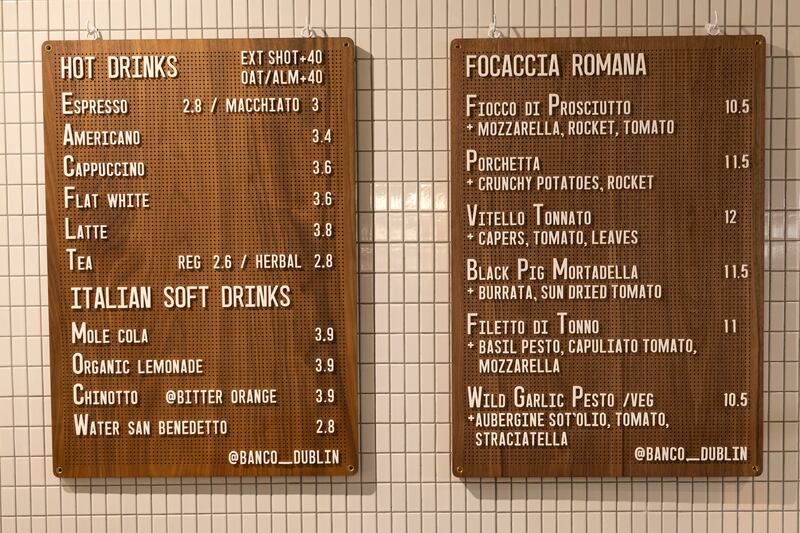
He has taken his time about it, ensuring that everything accords exactly with his vision. The ovens and coffee machines have been brought in from Italy, along with most of the staff.
“It has taken longer than I expected to be ready to open,” he says. “But I suppose that is always the way. I was prepared to wait for the right things because I want to give it a classic and nostalgic Italian feel.”
Everything Banco sells will be made on site, from the long-fermented breads and pastries to the pasta, focaccia and the pizzas.
“We want to be here for the local community but I can see people coming from other parts of the city who want to try an Italian forno too because I think what we are offering is something unique and something that you won’t be able to find anywhere else in Dublin.”
The marble and wood counters and the white and yellow tiles have echoes of the fornos Mungo remembers from his childhood. He recalls with fondness stopping at such places to pick up pastries and mini pizzas on his way to school.
“There was always the smell. In the morning, it was smell of the pastries and then during the day it was the beautiful focaccia and in the evenings it was the pizza ovens. That is my memory and I want to bring that here to Stoneybatter.”
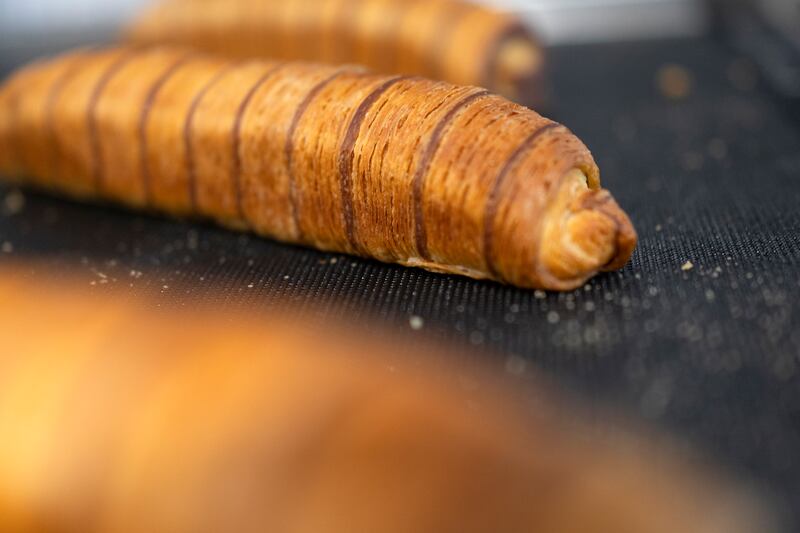
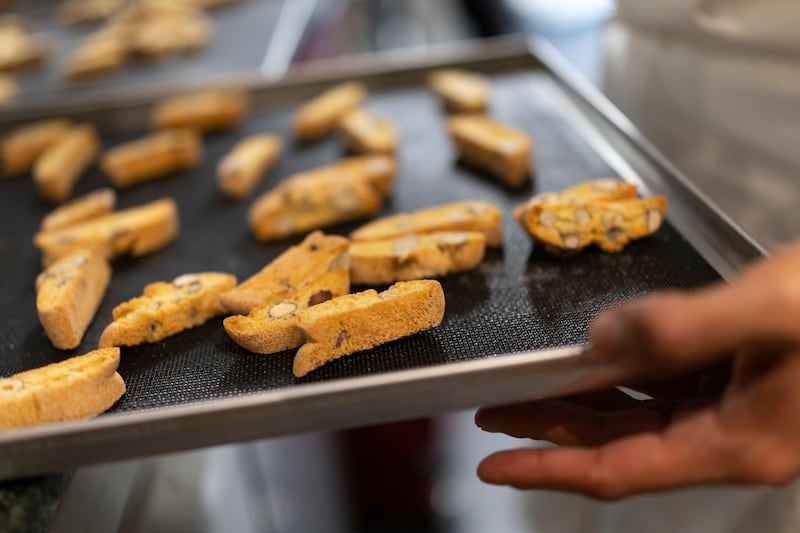
He says he was inspired not only by his Calabrese childhood but by his time living and working in Rome and Bologna, and by the food cultures that define those cities.
He is leaning heavily on a Roman tradition of neighbourhood bakeries and forno counters, where people gather throughout the day for coffee and food, while he has borrowed the culture of the bottega, where fresh pasta is made by hand each day for customers to take home and cook themselves, from the labyrinthine streets of Bologna.
[ The Italian restaurant in Dublin that takes bookings 90 days in advanceOpens in new window ]
He wants to see the place shift its sales with the sun, opening at 7:30am for a breakfast crowd before moving on through lunch and dinner. “At home we could tell the time by the smells coming from the fornos and I want that here in Dublin now too.”
The few shelves that there are in Banco will stock house-made grissini, savoury crackers, biscuits and seasonal baked goods, including panettone at Christmas and colomba at Easter.
While Banco’s proximity to Mungo’s existing businesses will allow him to keep on top of it, the outlet will be run by Alan Heffernan, his head baker and manager. Heffernan has more than 15 years of kitchen experience, mostly in pastry, having worked in a number of bakery/pastry shops across northern Italy.
“I love the idea of bringing the Italian culture of having an espresso and a pastry ‘al banco’ or ‘at the counter’, to Dublin,” says Mungo. “At Grano, all of our pasta is made by hand, and with Banco that approach extends across everything we do with grain – bread, pasta, pastry, focaccia and pizza. It’s simple food, made well and with love and care.”


