

“And am I really 18 years old?” asks Emily Shore in the diary entry for her birthday of that year, December 25th, 1837.
The tone of rueful incredulity continues: “Am I no longer a child, and are so many of the years allotted to me for intellectual spiritual development already past? How quickly they have flown! How appalling is the progress of time, and the approach of eternity!”
Even by the standards of the Romantic era, such thoughts might seem a little overwrought for a teenager, especially on Christmas Day. But Shore had good reason to reflect on her mortality. She was in the advanced stages of TB, or consumption as it was known then, and would not live to be 20.
Hence the urgency of her journal entry, channelled through an earnest faith:
READ MORE

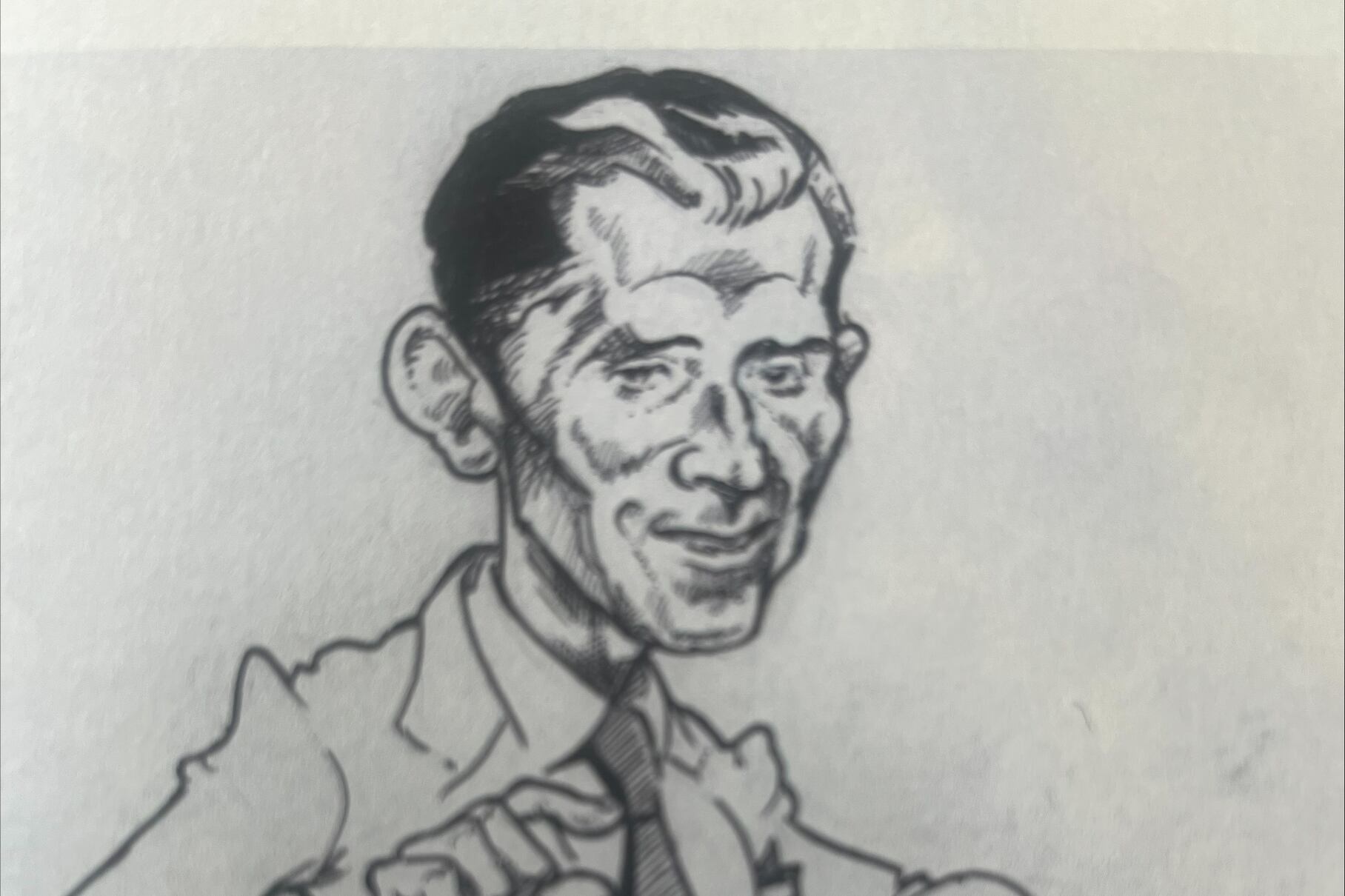


“To me, that eternity is perhaps not far distant; let me improve life to the utmost while it is yet mine, and if my span on earth must indeed be short, may it yet be long enough to fit me for an endless existence in the presence of my God.”
Born in Bury St Edmonds, Shore (1819-1839) was the precociously talented eldest child of a freethinking cleric. A poet, novelist, and natural historian, among other things, she also kept a diary from the age of 11, detailing her many interests.
At 17, severely unwell, she blamed the intensity with which she had once studied the natural world: “In looking back on the beginning of my illness, I feel sure that one of the principal causes of it was overworking my mind ... For many months before I was actually ill, I tasked my intellectual powers to the utmost. My mind never relaxed, never unbent; even in those hours meant for relaxation, I was still engaged in acquiring knowledge and storing my memory.”
And yet even in her last year, she could still be ecstatic when writing about nature. Here she is in the summer of 1838, after escaping her sickbed for the outdoors:
“It was the first evening walk I have had for seven or eight months, and it seemed to me like paradise. There was just breeze enough to temper the heat of the descending sun; the sky was cloudless, the birds singing joyously, the air scented with wallflowers and primroses; the shrubs were tinted with the fresh green foliage of May. And oh, the soft, soft, cool green turf! ... I rushed about hither and thither, unable to control my delight; I took off my bonnet and stood still to let the air blow through my hair and cool my face.”
Her journal touches on many other subjects too, including culture, about which she had frank opinions. “We were talking yesterday about Moore’s Irish Melodies,” she wrote once, “the tunes of which are some of them very beautiful, with words that are foolish or worse.”
And there are occasional forays into politics, Ireland’s included. That country was “in a wretched state”, she recorded in 1837, after the local vicar had shared his thoughts during a visit:
“Mr Dornford says that, humanly speaking, nothing can preserve Ireland from civil war but a change of ministry. That the present ministry are endeavouring to throw open the corporations to the Catholics, on the ground that they are to the Protestants as five to one. That if this is done, the corporations will be filled with Catholics, and become centres of agitation … with O’Connell, the master-fiend, at their head.”
In the wake of Catholic Emancipation and with the Repeal movement growing, violent conflict seemed likely. But Mr Dornford had no doubt the unionists would win, arguing: “That, notwithstanding they are numerically inferior, yet such is [their] superiority in lands, in opulence, in education, and chivalric spirit, that if they and the Catholics were to fight it out among themselves … the Protestants would conquer.”
Shore had just turned 18 when her writing was published for the first time, in the Penny Magazine, and recorded her excitement: “So I am actually in print, have actually begun my career as an authoress! I say career, for I fully hope to follow it up.”
She was enjoying a respite from her illness then, so that a career looked possible. When one of her siblings joked about one day writing Emily’s posthumous biography, Emily thought the idea funny because, apart from anything else: “That’s taking it for granted that I am to die first!”
In fact, her journals were not published for more than 50 years after her death, and were heavily edited then by two sisters who, having so long outlived her, curbed what they saw as the journal’s Romantic excesses for more sober, late-Victorian tastes.
Shore spent her last years in Madeira, where the warmer climate brought only partial relief. In her last journal entry, not included in the published version, she sought “release” from the pain, while chastising herself for such weakness: “I should like to have one hour of ease,” she wrote in June 1839, two weeks before she died; “but this is wrong. I must wait God’s pleasure.”


