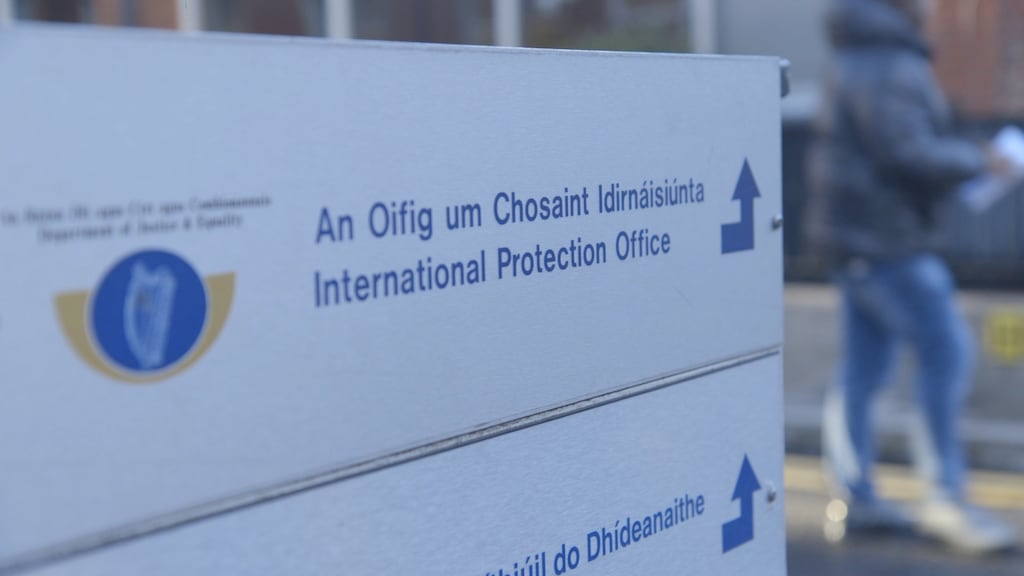
Nine out of 10 asylum seekers whose requests for international protection were assessed using a fast-track procedure now being rolled out on a permanent basis had their claims rejected by the State.
Internal Department of Justice briefings said a trial operation of an accelerated system for deciding certain asylum claims was “very encouraging”.
The new international protection system, which has entered into force under EU-wide asylum reforms, obliges the department to rule on applicants’ claims, plus any appeal, within a tight 12-week window. It applies to cases where the asylum seeker is from a country deemed “safe” or where they made an earlier asylum request in another EU country.
The fast-track process, known as the accelerated procedure, requires countries to deport or remove failed applicants within a further three months.
READ MORE


Figures from a trial operating since last year show 89 per cent of asylum claims assessed using the fast-track process were refused, with a similarly high rate of rejection for appeals.
The department began using the accelerated procedure last July, in preparation for the EU migration and asylum pact entering into force last month.
The new statistics are drawn from 2,272 claims for international protection. In a quarter of cases, justice officials had issued deportation orders to unsuccessful asylum applicants, and so far 84 people have been deported or voluntarily left the State, a department spokesman said.
In one case, the time between a person requesting asylum in the Republic and an order being signed to deport them was as little as 47 days.
An internal briefing prepared for Minister for Justice Jim O’Callaghan said the trial had shown the Republic’s international protection system was “capable” of meeting the 12-week deadlines, speeding up decisions.
“Much still needs to be done to bring things to scale, but a lot has already been achieved, and indications are very encouraging,” officials wrote in the March 4th briefing note.
Department officials privately wrote that the figures were a “significant” improvement on past processing times and quicker decisions would lead to a “significant reduction in costs for accommodation and other supports”.
In comparison, some 71 per cent of asylum claims were initially rejected in 2024, though that figure includes all cases, not only the category of case that would be dealt with under the new fast-track process.
Countries of origin deemed “safe” include Georgia, Malawi, Algeria, Bangladesh, South Africa, Egypt, India and much of the western Balkans.
A large increase in people seeking international protection from 2022 put serious strain on the State’s asylum system. Applications hit a high point of 18,500 in 2024, before falling by a third last year, a downward trend that has continued.
The new EU rules, which the Government opted into, fully entered into force on June 12th. People from countries with low rates of success claiming asylum, or who destroyed documents they used to travel to the Republic, will be accommodated in Citywest, the former hotel the State has turned into a large asylum centre.
That group will face “restrictions of freedom of movement” and be required to report to authorities daily, according to internal department correspondence released to The Irish Times under the Freedom of Information Act.
Nick Henderson, Irish Refugee Council chief executive, criticised the accelerated procedure for “rushing people through the protection process with very little time to practically access essential safeguards and legal advice”.
O’Callaghan said he did not believe the Republic’s asylum system was becoming “tougher and nastier” under the changes. “It is important in order to retain public confidence in the asylum system that we are seen to have an effective, firm but fair system,” he said on Friday.