
It may seem strange to book a summer holiday and then spend your time indoors but that’s how some Irish people are surviving this week across Europe where temperatures are topping 40 degrees.
Claire Crosby, who is holidaying with her husband in Spain, says they “didn’t expect Barcelona to be as hot as it is”.
“We knew that it would be warm, but this feels like a different kind of heat,” she says. “We arrived here on Tuesday and by the time we got to our hotel, we didn’t want to go out again as it was just too hot.
“We have booked an apartment on the coast from Friday for a week and we cannot wait to get out of the city – we’re just hoping that it is cooler near the water – as this is just too much.”
READ MORE


It’s a similar story for longer-term Irish residents under Europe’s heat dome.
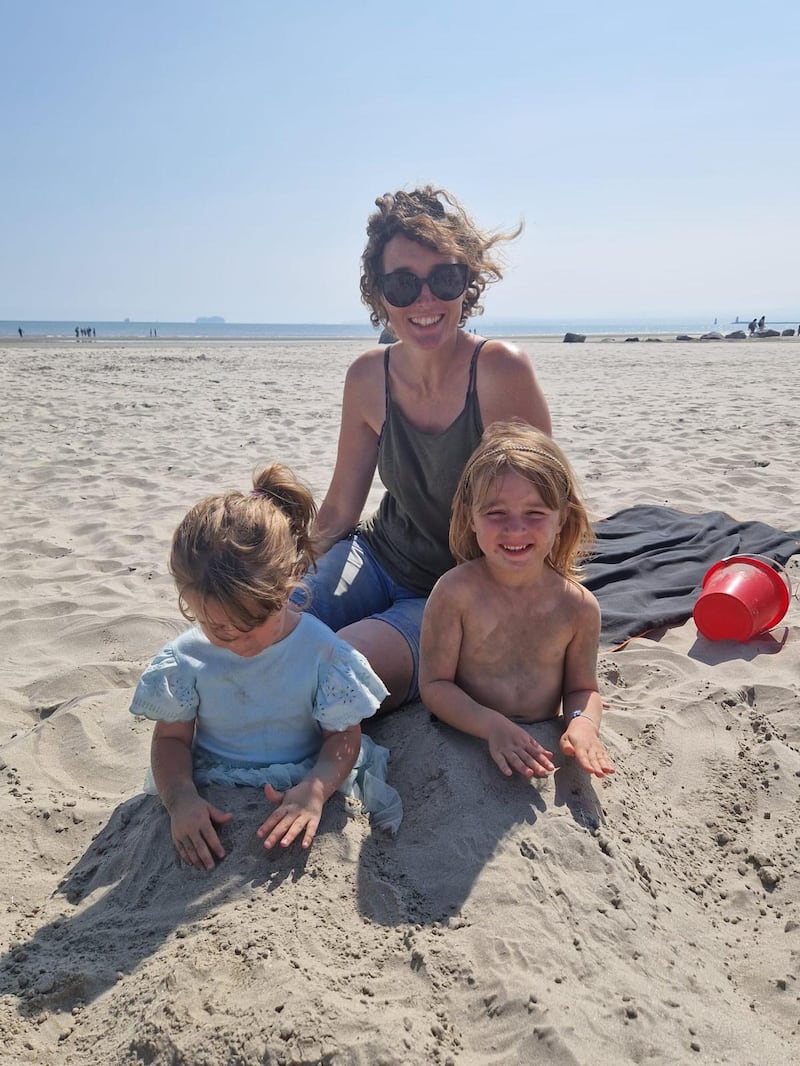
Emer Tannam (40) lives with her daughters Aoife (5) and Caoimhe (3) in Vercelli, a small town between Milan and Turin in northern Italy, where the dolce far niente lifestyle, an Italian mantra for the “sweetness of doing nothing”, has quickly become a survival guide.
“We are coping with the heat by acting like vampires,” she says. “We’re staying indoors with the shutters down, in the gloom, passing the time with jigsaws, books, painting pictures of cold things, and yes, Netflix.”
“The girls are painting pictures of icebergs and penguins and anything blue, trying to make us feel cooler,” she says.
“Sometimes the kids burn off some energy by running around the flat for a bit and bouncing off the furniture” but “it’s still 34, 35 degrees at 7pm, so it’s even too hot to go for gelato – and anyways, it would be dripping down your arm before you could eat it,” she says.
To escape the heat at night, “we’re sleeping in the livingroom, which is the only room that has air-con”.
The owner of an English-language school, she is one of a number of people abroad who have responded to a call-out from The Irish Times for readers to share their stories of life in the European heatwave. Tannam is finishing up classes this week and heading home to Dublin for two months. “Dublin is a lovely place during the summer; it’s warm and there’s lots to do. I’m not sure how many Dubliners would agree with me, though.”
Ann Duffy, an English teacher, lives some 150km away in Piacenza, an equally inland town in northern Italy. “Oppressive heat” is how she characterises the temperatures. “I have never experienced anything like it in the 13 years I have lived here,” she says.
“What’s especially strange is how long it is lasting. A very hot spell, which has reached 37 or 38 [degrees] before, usually lasts just three or four days and then a storm comes to cool us down.
“This time we haven’t even reached the peak yet but it’s already torrid and horrid with no let up in sight.” Like some others, she says “going outdoors in the afternoon is something we avoid, unless it’s really necessary”.
Dubliner Conor Molloy has been on a seven-day cycling holiday all alone (no one from his training group would join him, he jokes). Covering 522km between Bordeaux and Agde, southwest France, he has “seen temperatures as high as 44 degrees on the bike’s computer”.

While “a strong breeze has kept it comfortable”, he says the real saving grace is the trees providing shade. “Unfortunately, the trees planted many years ago to shade the towpaths and cycleways have succumbed to disease,” he said, adding the lesson for him “is we all need to plant many millions more trees now if we are to have any respite in future heatwaves”.
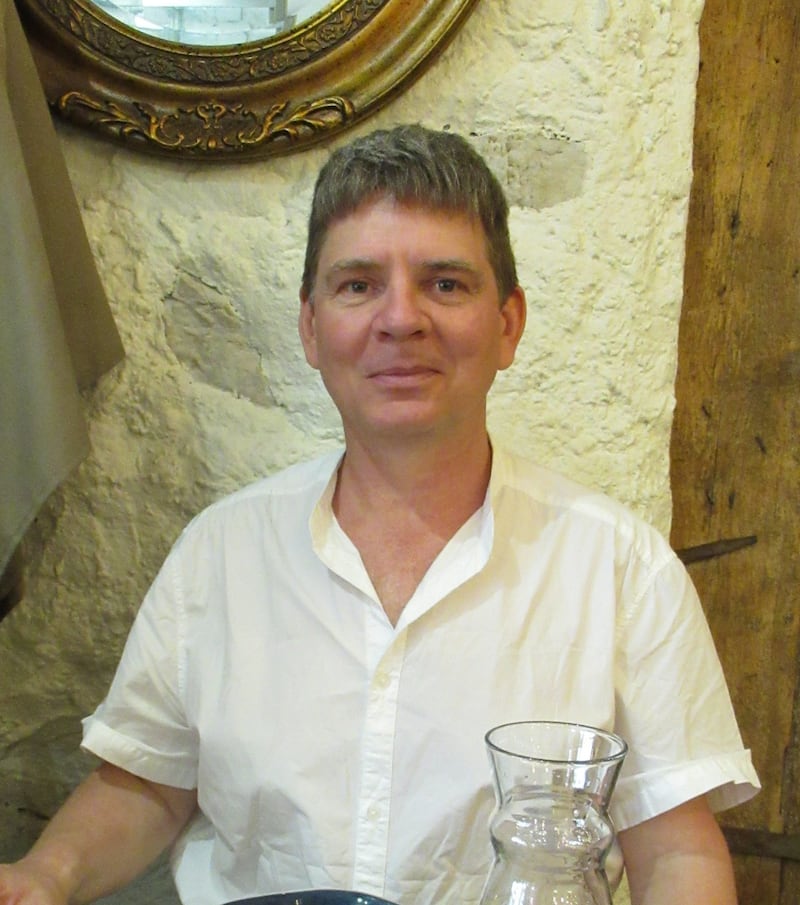
Marc de Faoite, a writer from Co Meath who now lives in Évian-les-Bains, a lakeside town on the foot of the Alps in eastern France, on the Swiss border, says some local buses were cancelled at the hottest time of the day this week “forcing people like myself, who rely on public transport, to change or cancel their plans. While inconvenient, I understand the logic behind their decision”.
The 58-year-old called Malaysia home for years and his time living along the equator has prepared him well for the second severe heatwave the Continent has seen this year. “I don’t enjoy tropical temperatures, but I am used to dealing with them.” During high temperatures in France, he says “I have quickly slipped back into a mode where I don’t go outdoors after 10.30am, unless absolutely necessary.”
Martina Duffy, who is holidaying in Tuscany with her family, was lured to the area “by the temptation of cheap flights”. While she took her children out of school early to avail of a good deal, they “won’t be doing it again”, she says.
“We got a great price for the flights so, when the weather was really bad at home in early June, we were delighted that we would be going away,” says the Dublin woman. “But we are staying in a campsite in Viareggio and it is actually unbearable. It would ordinarily be fantastic as it has a couple of pools and lots to do for the kids but the cabins we are staying in are so hot, that it is like sleeping in a sauna.”

Sarah Malone, a retired business owner from Clarecastle, Co Clare, recently bought a property with her husband in southwest France where “most of the time the temperature is very pleasant”. But some services have been curtailed due to the heatwave. “We’ve become very conscious of water usage since living here and we don’t waste a drop of it,” she says.
“We are lucky to be in the Charente region as it’s generally cooler, but some friends who have houses in the far south of France cannot tolerate the extreme temperatures there any more and are selling up. It has also affected insurance as many French insurance companies are refusing to provide cover for houses and businesses in the far south due to forest or wildland fires, and/or flooding. So, climate change is very real and affecting everyday life for sure.”


