
This month marks the 10th anniversary of dog microchipping becoming mandatory in Ireland, but there is little praise bestowed on wider legislation protecting the country’s most popular pets.
Some refer to Ireland as the “puppy farm capital of Europe”. It is estimated that up to 30,000 dogs here are exported annually in an industry thought to be worth over €120 million. TDs debated the issue in December, citing legislation that allows for as many as 300 breeding females per dog breeding establishment as a contributing factor.
There is a general consensus that legislation needs tightening, but microchipping is widely acknowledged as a positive first step. In 2021, the Department of Agriculture revealed that more than 100,000 dogs are chipped in Ireland every year, facilitating reunification with lost pets and providing proof of ownership when necessary.
Chloe Foley is one of those administering the microchips. Working as a veterinary surgeon at the Dublin centre for the National Society for Prevention of Cruelty to Animals (NSPCA), she checks new canine residents for existing chips, and installs one if the dog is unchipped.
READ MORE


“It’s quite a large-gauge needle so it is a little bit of a shock to them, but generally it’s quite quick and they don’t mind it,” Foley says.
“The microchip is inserted just under their skin, in and around the back of their neck, just ahead of their shoulder blades. Sometimes they can migrate to different places. They might slide down a little bit, so you just have to be thorough with the scanning.”
Foley met her own dog, a chihuahua named Miss Blueberry, at the NSPCA. She was surrendered from quite poor conditions to the Dublin centre last November, and though she had been microchipped to her original breeder, her previous owner had not updated the register.
This is a relatively common issue with microchipping. Some well-intentioned owners may not realise they need to add their own details to an authorised database when they adopt their dog. Each chip has a corresponding number unique to the animal, which links to the registered pet owner’s name, address and contact details.
Suzanne McGovern is the director of operations at the NSPCA’s Dublin centre, which was known as the DSPCA before it merged with the ISPCA last year. They took in more than 1,100 dogs in 2025, and she estimates that up to 75 per cent of those that come in the door are not microchipped. Naturally, many of those are coming from situations of neglect.
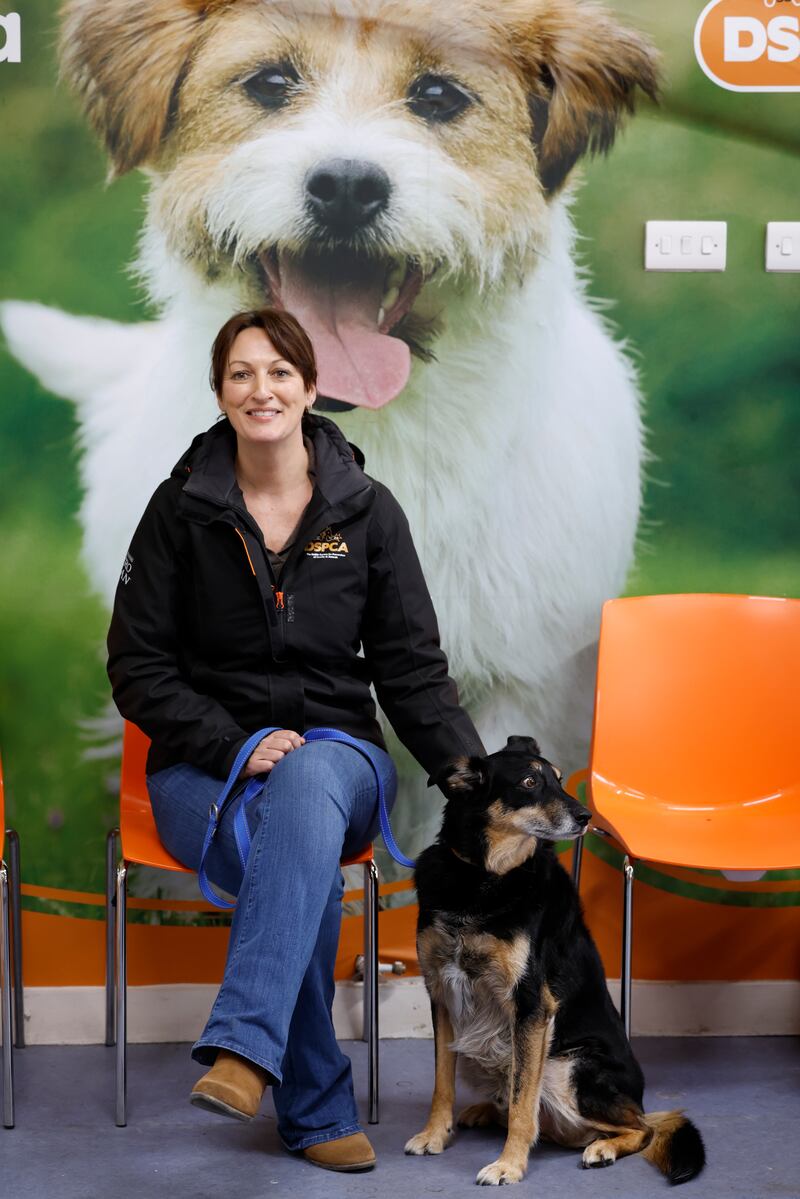
There are 70 dogs on site at the moment, and the amount of time they can spend at the shelter before finding a home varies significantly. McGovern has worked there for 15 years, and recalls carrying out a number of microchipping clinics when the practice became mandatory.
“We would do that to get people into the mindset that dogs need to be microchipped and registered,” she says. “Microchipping them is only one part of the process. Registering them is the most important part.
“We will get a number of animals that come in that are microchipped, but when you put that number into a database, there’s no registered owner. They may have been chipped by a breeder or perhaps even in another country, and it just hasn’t been registered, which makes it impossible then for us to reunite them.”
Dogs can end up at the NSPCA through unwanted litters people have had personally, or unlawful breeding situations. They can also arrive via the charity’s inspectorate, which investigates reports of cruelty, neglect or abandonment, and rescues dogs from unlivable situations when possible. Bartley Finnerty has been a senior inspector for close to a decade.
“What you and me perceive to be animal neglect or cruelty could be completely different things,” he says. “The only remit that we can operate under in a standard way is the Animal Health and Welfare Act 2013. That’s the legislation that guides us.”
Some of the reasons for an intervention can be filthy living conditions, no shelter, an untreated injury or an animal being underweight. Finnerty cannot enter a person’s property without a warrant, but if he encounters a visibly neglected dog outside a house, he will gather the animal in his van before seeking out the owner.
Here, the microchip can come in handy. With a mobile scanner, Finnerty can quickly find out if the dog is registered to its current address and verify the legitimacy of its owner. “The best thing that you can ever come across is when you find a dog that’s been missing for a long period of time, and you can reunite it with its owner,” he says. “You will know instantly, from the way the dog reacts and the owner reacts. That’s a great thing for everyone.”

Working in Dublin, an urban area, Finnerty says the chances of him coming across a large puppy farm are slim. Colleagues in more rural parts of Ireland are more likely to find them, as they tend to be remote and isolated operations. He says Ireland has fewer registered dog breeding establishments now than it did 10 years ago, but that some of the very large breeders in the country are “totally unacceptable”.
Finnerty is part of a group of stakeholders currently reviewing legislation around dog welfare in Ireland. He chairs the traceability and neutering subgroup, with other subgroups focusing on breeding establishments, and training and education. The stakeholders are set to give their recommendations to the Government in the coming weeks.
It should contribute to Ireland’s animal welfare strategy for the next five years. December’s Dáil debate centred around Social Democrats TD Jennifer Whitmore’s proposed Dog Welfare (Amendment) Bill 2025, which is also expected to inform future legislation.
“The group [of stakeholders] has a good balance of representatives so I’m hopeful that they’ll have really strong recommendations for reform in this area,” Whitmore says. “My Bill garnered a huge amount of public interest and public support, and I’m hoping that that will be reflected in the upcoming Animal Welfare Strategy.”
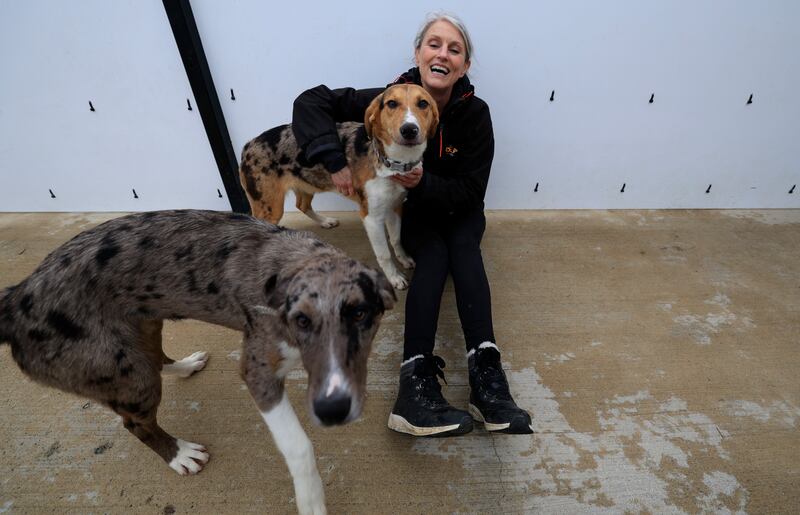
Whitmore has been engaging with the Minister of State for Agriculture, Noel Grealish, on the issue, and she believes he “cares an awful lot about dog welfare”. Her Bill gained cross-party support, and included measures to cap the number of breeding females at 30 per site, and introducing a 16-month minimum age and eight-year maximum age for breeding.
On microchipping, Whitmore says the practice is “hugely beneficial to dog owners because it increases the chances of lost dogs being found” but that uptake still lags behind what is required.
“I personally would put a lot of this down to enforcement, which is often the problem when it comes to animal-related regulations in this country,” she says. “I know that there are calls to raise the noncompliance fee, and that could help, but without proper enforcement there’s not much point.
“I do think awareness plays a part too, and more public campaigns from [the Department of Agriculture, Food and the Marine] would help here. A Government-sponsored free microchipping campaign to mark 10 years of the microchipping regulations could help.”


