

The bright, bubbly young woman, Laura Brennan, graced our screens with her infectious smile when she appeared on the Late Late Show seven years ago. We felt humbled by her generous spirit as, in a bid to help others, she shared details of the cancer she had been diagnosed with when she was just 24 years old.
Less than a year after her cervical cancer diagnosis in December 2016, she was told the news that it was incurable. Heartbreaking news for Laura, her parents and her three brothers, but she channelled her energy into making people aware of the importance of the HPV vaccine. “I don’t want any mother, father, sister, brother, friends or family to lose someone to such a horrible illness,” she said.
Laura died in March, 2019, but in part thanks to the work she did, the uptake of the HPV vaccine in Ireland, which, in 2017, was at 51 per cent, has today risen to above 80 per cent.
The HPV vaccine protects against the HPV virus which can cause cancer and genital warts in both women and men. HPV stands for human papillomavirus, which is a group of more than 100 viruses. It causes one in 20 cancers worldwide, including almost all cervical cancers.
READ MORE


Acknowledging her extraordinary legacy, the Irish Society of Gynaecological Oncology (ISGO) created the Laura Brennan Award to highlight her outstanding achievement in boosting the vaccine uptake in her lifetime, and the Royal College of Physicians (RCPI) in Ireland unveiled a portrait of Laura on what would have been her 29th birthday in 2021.
The Health Service Executive also launched the Laura Brennan Catch-Up programme for those who were unable or decided not to avail of the HPV vaccine when it was offered through the schools programme.
The next phase of the initiative began in 2026, with students in fifth and sixth year, who missed out on the HPV vaccine during their first year of secondary school, now being offered the chance to be vaccinated before the end of this academic year. The HSE also announced that second to fifth year students will be able to access the vaccination through a second phase of the catch-up programme in the 2026/27 academic year, with pupils over the age of 16 able to consent to have the vaccine themselves.
Steve Dempsey, director of Advocacy and Communications at the Irish Cancer Society (ICS), says this is a very positive step as the ICS has been “calling for a permanent programme to provide unvaccinated young people aged 24 and younger with additional opportunities to protect themselves against HPV”.
“This is extremely good news for the pupils in fifth and sixth year who missed out on the HPV vaccination in their first year, and for the younger pupils who will benefit from the programme in 2026/2027,” he says. “It is a safe and effective vaccine that everyone should avail of.”
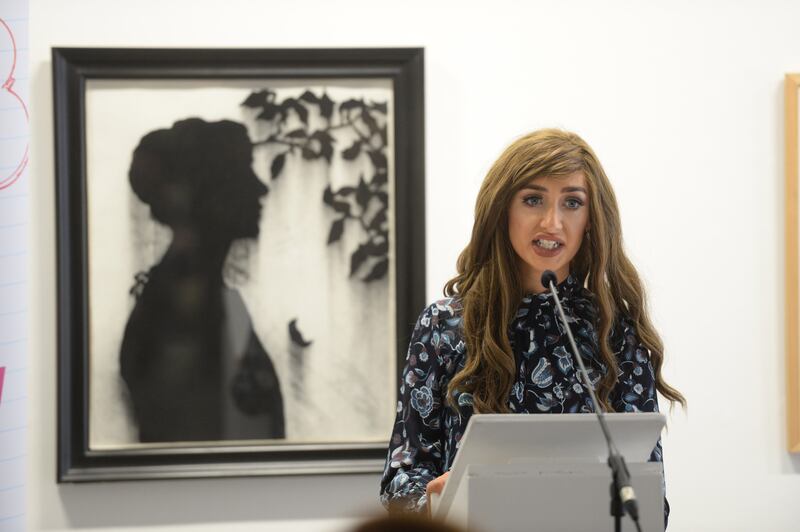
While the HPV vaccine is proving to be a game-changer in reducing the incidence of cervical cancer worldwide, Belfast woman Christine Campbell (60) is keen to remind people that they HPV vaccine does not protect women against all types of gynaecological cancer, and that vaccinated or not, they should continue to be symptom aware.
In 2020, she discovered that she had ovarian cancer.
“I started experiencing continual bloating, loss of appetite and a change in toilet habits,” she says. “I wasn’t overly concerned initially, as I had just been through the menopause and thought the symptoms were in relation to that. However, they persisted for a number of months and proceeded to get worse, so I contacted my GP. And in February 2021, was sent straight away to A&E, where I underwent numerous tests. I was told that a referral would be made for me to attend for a gynaecological appointment for further investigation.”
While waiting for an appointment, the Belfast woman experienced bleeding, which, considering she was post-menopause, was a sign that something was wrong. She was also having difficulty breathing and was “extremely tired”.
Her doctor sent her, once again, to hospital, but after tests, it was decided that her condition “wasn’t urgent enough to warrant admission”, so she was sent home. One week later, she was offered a cancellation appointment, which she took and went through further tests, which resulted in urgent treatment.
“I just remember the gynaecologist putting her hand on top of mine and saying, ‘this is not good news, you need to be admitted right away’. I don’t recall getting from the room to my car as everything was such a blur, but it is difficult to put into words how grateful I was to the person who cancelled their appointment – because after being admitted to the local hospital, it was confirmed that I had Stage 4b high-grade serous ovarian cancer.”
The now 60-year-old began a course of chemotherapy and was later prescribed a Parp Inhibitor. However, 18 months later, it was discovered that the cancer had returned and metasised and, sadly, she was given a terminal diagnosis.
She began maintenance treatment to “try and keep symptoms at bay”, but this ended in February 2024. Since then, she has been taking a “relatively new cancer drug” called Avastin, which has thankfully stabilised her condition and is allowing her to live her “best life”, with the support of her oncology team.
The mother of two is the most recent recipient of the Laura Brennan Award and says it is a privilege to receive such an honour. While vaccination couldn’t have prevented her cancer, Campbell hopes to continue in the Clare woman’s footsteps and continue to raise awareness about the importance of prevention and early detection of gynaecological cancers.
“Laura Brennan was pivotal in raising awareness and supporting the HPV vaccination programme. Her call to action, after her own terminal diagnosis, was that the general public had confidence in the vaccine and the positive impact it would have in saving the lives of future generations.
“So, I am honoured and privileged to be following in Laura’s footsteps to continue her advocacy in respect of raising awareness of gynaecological cancers through sharing my own story and that of others. My focus, with the time I have left, is to continue to challenge the system and enable those I represent and advocate for to have a voice and to be seen and heard. If only one person reads my story and contacts their GP after recognising the symptoms and gets an earlier diagnosis, that will be my legacy.”

Prof Nóirín Russell, clinical director, Cervical Check Ireland’s national cervical screening programme, says that “most cases of cervical cancer can be prevented and prevention starts with the HPV vaccine”.
“HPV is a common virus which most of us will get at some point in our lives,” she says. “For many of us, HPV causes no harm and clears upon its own, but for some, the virus can stay in the body and when this happens, it can cause changes to the cells in the cervix, which can develop into cervical cancer. The vaccine protects against the main types that cause cervical cancer. It also prevents most types of genital warts.
‘’Getting the HPV vaccine significantly reduces the chance of getting cervical cancer later in life. Irish research shows that girls who were vaccinated in school have a 60 per cent lower rate of serious pre-cancer disease at their first cervical screening test at aged 25. This means the vaccine is working – protecting girls from the virus means protecting them from cervical cancer.”
Russell says the vaccine works best when people get it before they are likely to be exposed to the virus, which happens usually via skin-to-skin sexual contact. “This is why in the Republic of Ireland we offer the vaccine to girls and boys aged 12 and 13 in their first year of secondary school, through the HSE schools vaccination programme,” she says.
“Getting the HPV vaccine in secondary school is a first early step we can take to help prevent cervical cancer developing later in life. Then regular cervical screening, and follow-up when advised, will give added protection.
“Whether you have had the chance to be vaccinated or not, we advise every woman, and every person with a cervix, to come for cervical screening every time they are invited. Cervical screening is one of the best ways to prevent cervical cancer from developing. But we remind women that they should always follow up symptoms with their GP. This is because cervical cancer can develop between screening tests and – importantly – screening doesn’t test for other gynae [gynaecological] cancers which can have similar symptoms.
“Many countries, including Ireland, are working to achieve the WHO goal to eliminate cervical cancer as a public health issue this century. This means getting the number of cases of cervical cancer to a low level – less than four cases per 100,000 women – making it rare. This will be achieved through a combination of tools we already have – vaccination, screening and treatment.”


