US president Donald Trump has said Iran told the United States it is in a “state of collapse” and wants Washington to open the Strait of Hormuz as soon as possible.
In a social media post, Trump also said Iran is trying to “figure out” its “leadership situation”.
His comments came as the standoff in the Middle East continued. Iran’s most recent proposal on resolving the two-month war would set aside discussion of its nuclear programme until the conflict is concluded and disputes over shipping resolved.
US officials reported that Trump is unhappy with the proposal on resolving a conflict which has caused chaos in global energy markets. The US president wants nuclear issues dealt with from the outset.
READ MORE


Washington, which says its main war aim has always been preventing Iran from obtaining a nuclear weapon, wants Iran to give up a stockpile of highly enriched uranium and forgo further enrichment of material that could be used to make a bomb.
US secretary of state Marco Rubio said the Iranian offer was an improvement on previous proposals but still falls short of US minimum demands.
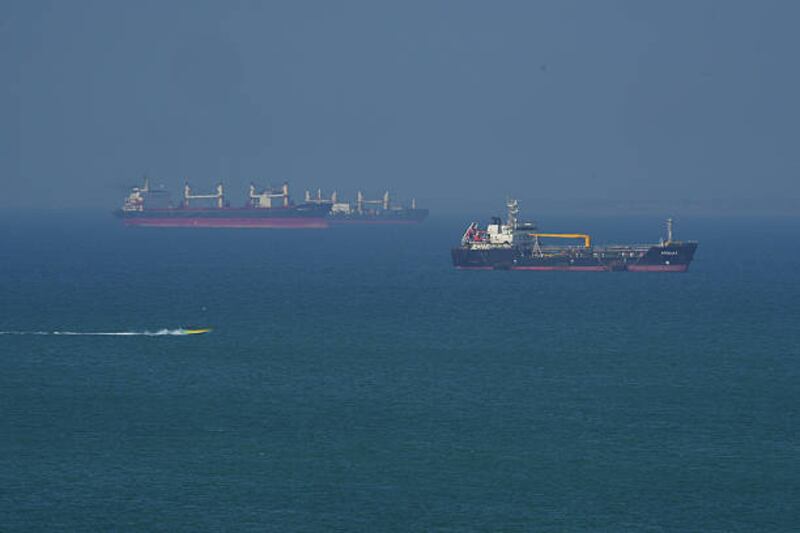
“The nuclear question is the reason why we’re in this in the first place,” he said in an interview with Fox News, adding that the US would not “normalise” a situation in which Iran controlled the strait, through which one-fifth of global crude oil and liquefied natural gas supplies normally pass.
Iran has largely blocked all shipping apart from its own from the Gulf through the Strait of Hormuz since the war began on February 28th. This month, the United States began blockading Iranian ships.
An Iranian army spokesperson said Tehran does not consider the war to be over, and that the armed forces’ objectives have been “updated” according to the situation.
Since several senior Iranian political and military figures were killed in US-Israeli strikes, Iran no longer has a single, undisputed clerical arbiter at the pinnacle of power.
Israel is bracing for a resumption of regional hostilities. “The Iranian regime is about to pay a very heavy price. I call on everyone to continue with routine, wait patiently and remain on high alert,” said Boaz Bismuth, the chair of the Knesset parliament’s foreign affairs and defence committee.
In Lebanon, the ceasefire declared by Trump last week has effectively collapsed, although Israel has not resumed attacks on Beirut.
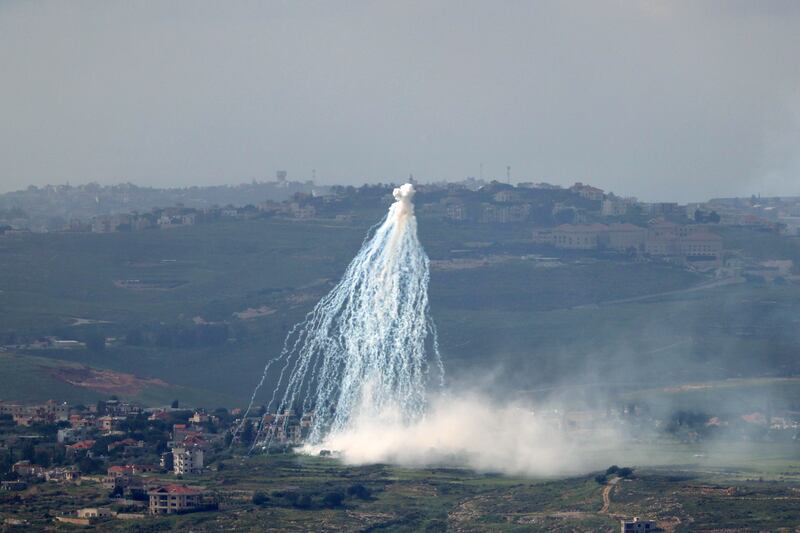
More than 2,500 people have been killed in Israeli strikes across Lebanon since March 2nd, when Hizbullah fired on Israel in support of its ally Iran and triggered an Israeli ground and air campaign that has left swathes of southern Lebanon in ruins.
The Israeli military on Tuesday ordered residents of 16 towns and villages in southern Lebanon to immediately evacuate north to the Sidon area, warning “anyone present near Hizbullah elements, their facilities, or their combat means is endangering their life.”
The war has deepened differences among people in Lebanon, who are divided over Hizbullah’s arms and over prospective peace talks with Israel.
The Lebanese daily Nidaa al-Watan reported that president Joseph Aoun was resisting pressure from Washington for a meeting with Israeli prime minister Binyamin Netanyahu. The two leaders were invited to a Washington summit by Trump earlier this month, when he announced the ceasefire.
According to the report, Lebanese officials expect the Trump administration to “show understanding” of Aoun’s position, as meeting Netanyahu could spark unrest within Lebanon.
In an unexpected move, the United Arab Emirates announced that it will leave Opec, which c ordinates petroleum policies and global oil supply. The move wou allow Abu Dhabi to potentially produce more oil and gas. – Additional reporting: Reuters