It was just after 6pm and I playing table tennis in my friend’s house in Caracas. It was a public holiday. The mood was upbeat and relaxed.
Suddenly, everything started to shake. The walls and ceiling trembled. We were convinced the house was going to collapse. Luckily, my friend – an engineer – had built his house with very strong beams.
The earthquake felt incredibly long. Only later I realised we were experiencing two consecutive earthquakes, 39 seconds apart, measuring 7.2 and 7.5 on the Richter scale.
My first instinct was to call my family but the phone lines were malfunctioning. I began to panic. I ran to my father’s house, where bookcases had fallen over and glass was smashed on the floor.
READ MORE


“It felt like the room was shimmering,” he said.
It took two hours before I was able to contact my wife and daughter, who were at a club where part of the roof collapsed. Thankfully, they managed to escape unharmed. Word began to come through from my friends in La Guaira, about half an hour away, which was one of the worst-affected areas. They lost everything.
In the city, residents filled the streets, fearful of aftershocks.
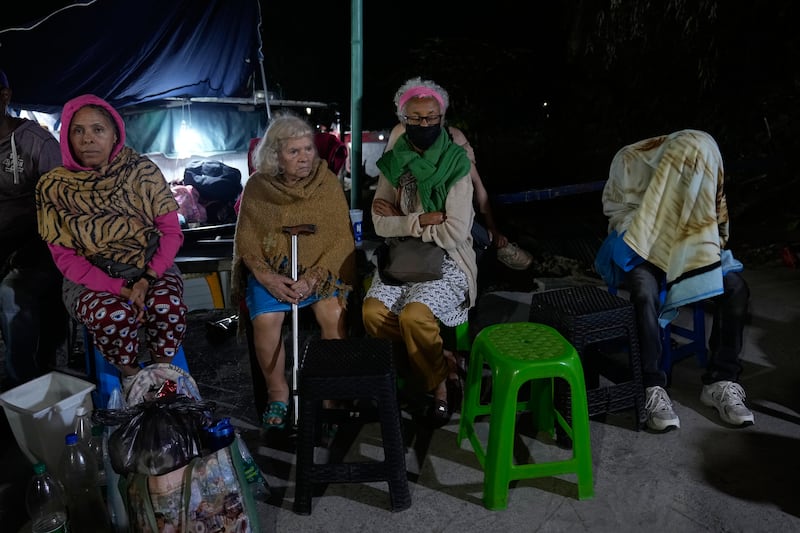
By 6.20pm, the sound of ambulances began to sound across the city. There were still no official statements at that hour, but the scale of the disaster was already evident.
At least four buildings had collapsed, with fears of further structural failures. Reports of numerous injuries emerged, alongside unconfirmed accounts of missing people and widespread concern over the safety of damaged homes and infrastructure.
Flights at Simón Bolívar International Airport were suspended due to damage to the terminal buildings.
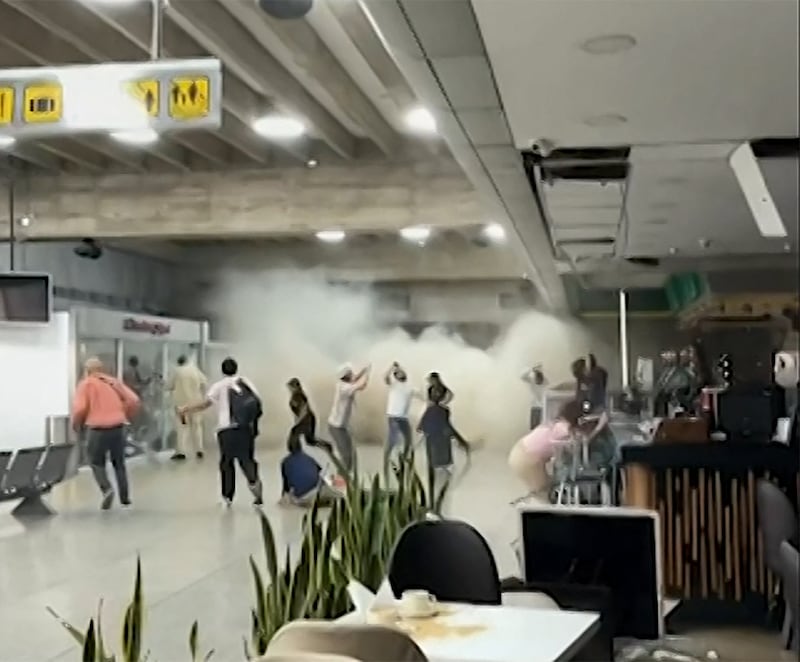
Social media erupted minutes after the earthquake struck. Some managed to capture the moment of the tremor and quickly posted it online. At a baseball match in Caracas, players and fans fled towards the centre of the field for safety. Others braved the ruins of a collapsed buildings to save their pets.
Shortly after 7pm, rescue operations began in earnest. The minister of the interior, Diosdado Cabello, was the first to confirm that earthquakes had struck and outlined precautionary measures, including the suspension of domestic gas supplies. Radio stations resumed broadcasts to co-ordinate information, issuing repeated appeals for calm.
An hour later, acting president Delcy Rodríguez declared a national emergency, prompting criticism over the delay in her address.
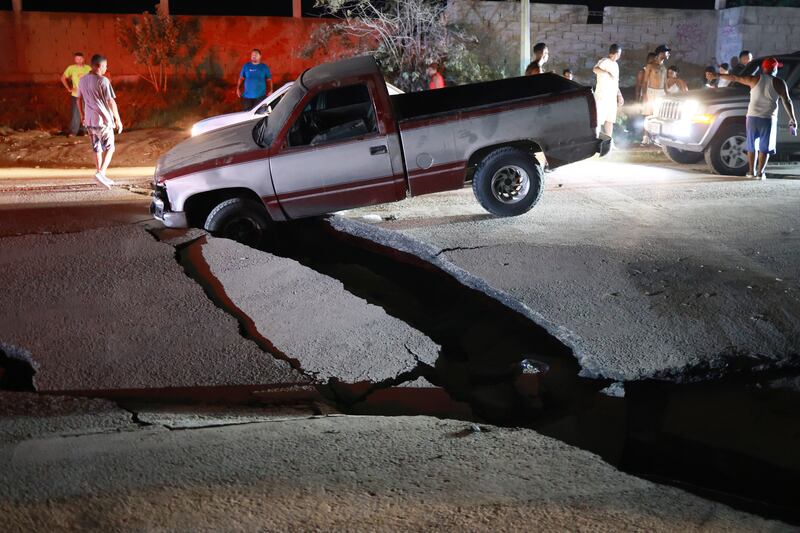

Many residents, meanwhile, began gathering water, non-perishable food, flashlights and other essentials in anticipation of further aftershocks. Power outages were reported in some areas, while others faced ruptured pipes and interruptions to water supplies.
Throughout the night and into the early hours, aftershocks of varying intensity were recorded. Fear spread as many braced for news of increasing casualties.
Mayors in the hardest-hit areas of Caracas reported ongoing rescue efforts, confirming that the cries of survivors could still be heard beneath the rubble.
Communities began assisting rescue workers with shovels and flashlights, driven by an instinctive awareness of the state’s limited capacity to respond.
By morning, at least 164 were confirmed dead and almost 1,000 injured. The death toll seems certain to rise in the days ahead.
[ Thousands feared dead as Venezuela is struck by massive back-to-back earthquakesOpens in new window ]
A country already strained by profound economic and social upheaval – following the removal of Nicolás Maduro by US military forces and an uncertain transition toward democracy – now finds itself confronting one of the most destructive earthquakes in its history.
Public services have not been restored in several localities while an already fragile hospital system, itself damaged by the disaster, teeters on the brink of collapse.
Several countries, including the United States, China and Spain, have signalled their willingness to assist in the emergency response.
Meanwhile, Venezuelans continue to adapt to rapidly changing conditions amid a tragedy whose full human cost – in deaths, injuries and displacement – remains unclear.