An audacious heist at France’s Louvre Museum came about due to systemic failures in security including a failure to adequately reinforce a window known to be a risk, a parliamentary inquiry has found.
The inquiry was tasked with investigating how thieves were able to break into a museum containing some of the world’s most precious works of art and make off with eight priceless pieces of jewellery in under eight minutes in October last year.
It found that a 2019 report had recommended the reinforcement of the very window that robbers would later break into, but that this had not been acted on due to an unclear distribution of security responsibilities.
“Hearings, site visits and analysis all point to the same conclusion: this was not an isolated incident, but a systemic failure. At the Louvre, as in other institutions, security was not treated as a priority,” the chairman of the inquiry committee, Alexandre Portier, said as the report was presented.
READ MORE


He accused senior museum management of prioritising high-profile events over the “less glamorous” basics of maintenance and security. “At the Louvre in particular, despite earlier warnings and identified risks, security policy has gradually drifted, lacking a response commensurate with the stakes.”
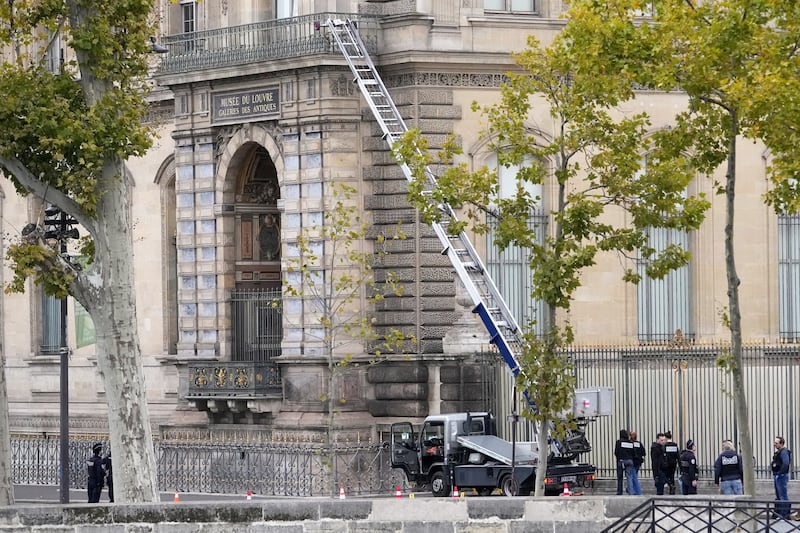
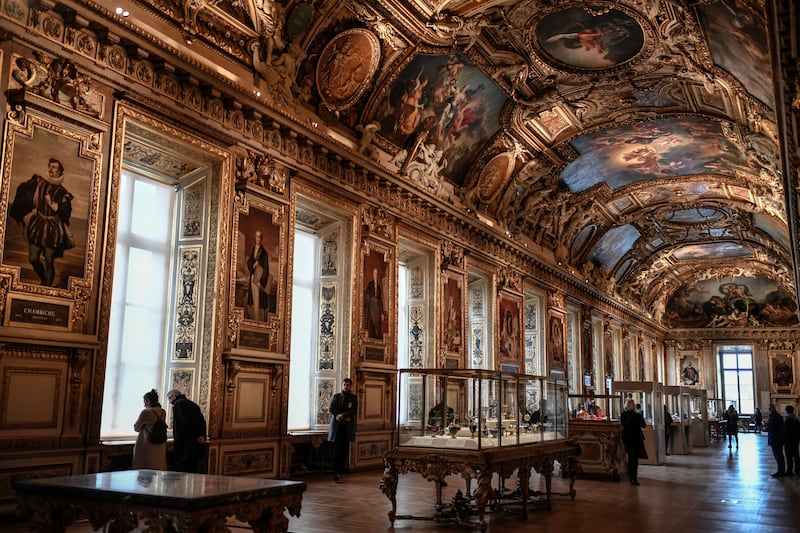
The committee heard that the Louvre’s Apollo Gallery was previously broken into in 1976 when thieves climbed up scaffolding and stole a sword that had belonged to the 19th century French king Charles X, which has never been found.
The 2019 audit recommended that ageing jewellery display cases in the Apollo Gallery dating from the 1950s be updated with more protective glass, and recommended securing its windows overlooking the Seine quayside.
“Experts considered that displaying jewels ... in the Apollo Gallery posed an additional risk, especially since, during the previous robbery, the perpetrators had used the same windows to gain access,” France’s chief inspector of cultural affairs Bertrand Munin told the inquiry.
Could we at least ensure that the cameras in the world’s largest museum are working?
— Alexis Corbière, Deputy of the French National Assembly
The display cases were replaced, but the window issue was never acted on as this was the responsibility of a separate department within the museum, the report found.
Armed with power tools, the thieves entered through the window and sawed into the display cases. Museum staff raised the alarm by declaring “violent intrusion, Apollo Gallery” on a walkie-talkie and evacuated the space of visitors before they froze in shock.
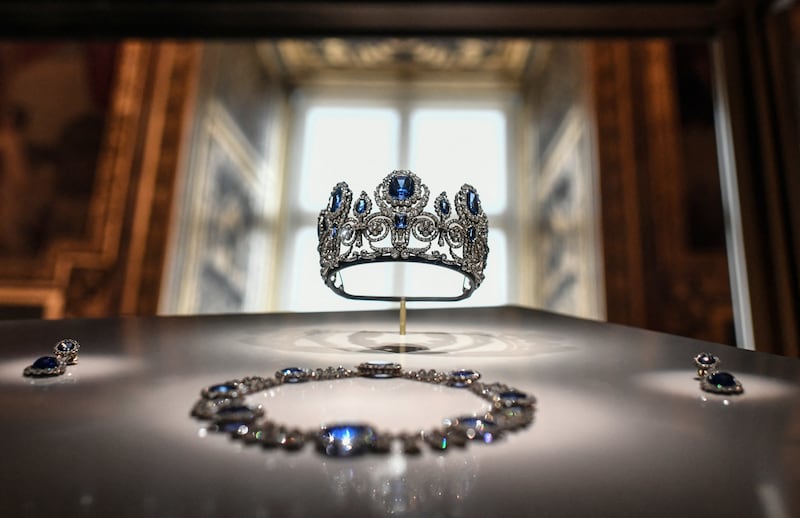

A lack of detail communicated in the crucial first minutes of the intrusion meant that police and security guards missed a chance to interrupt the burglary as the thieves retreated out the same window and made their getaway on two waiting scooters. The jewels have yet to be found.
The heist was the most high-profile in a spate of thefts at French museums that may be driven by the increased value of precious metals, enticing ordinary criminals to target exhibition pieces that can be melted down.
“We are a long way from the myth of the amateur art thief à la Arsène Lupin,” senior criminal investigator Philippe Chadrys told the inquiry, describing them as unspecialised criminals who banded together quickly “much like the hit squads involved in gangland killings or drug trafficking gangs”.
The report, led by Green lawmaker Alexis Corbière, found that staffing had not kept pace with a surge in visitors to a record 8.7 million in 2024, and questioned the wisdom of plans to increase numbers further.
It recommended increased funding and security training and changes to the appointment process for museum directors, who are currently directly appointed by the French president.
“When we went to the museum’s CCTV room a week after the Louvre robbery, we found that the camera overlooking the Quai François-Mitterrand, where the forklift truck used in the robbery had been parked, was malfunctioning,” Corbière said on the presentation of the report.
“Could we at least ensure that the cameras in the world’s largest museum are working?”