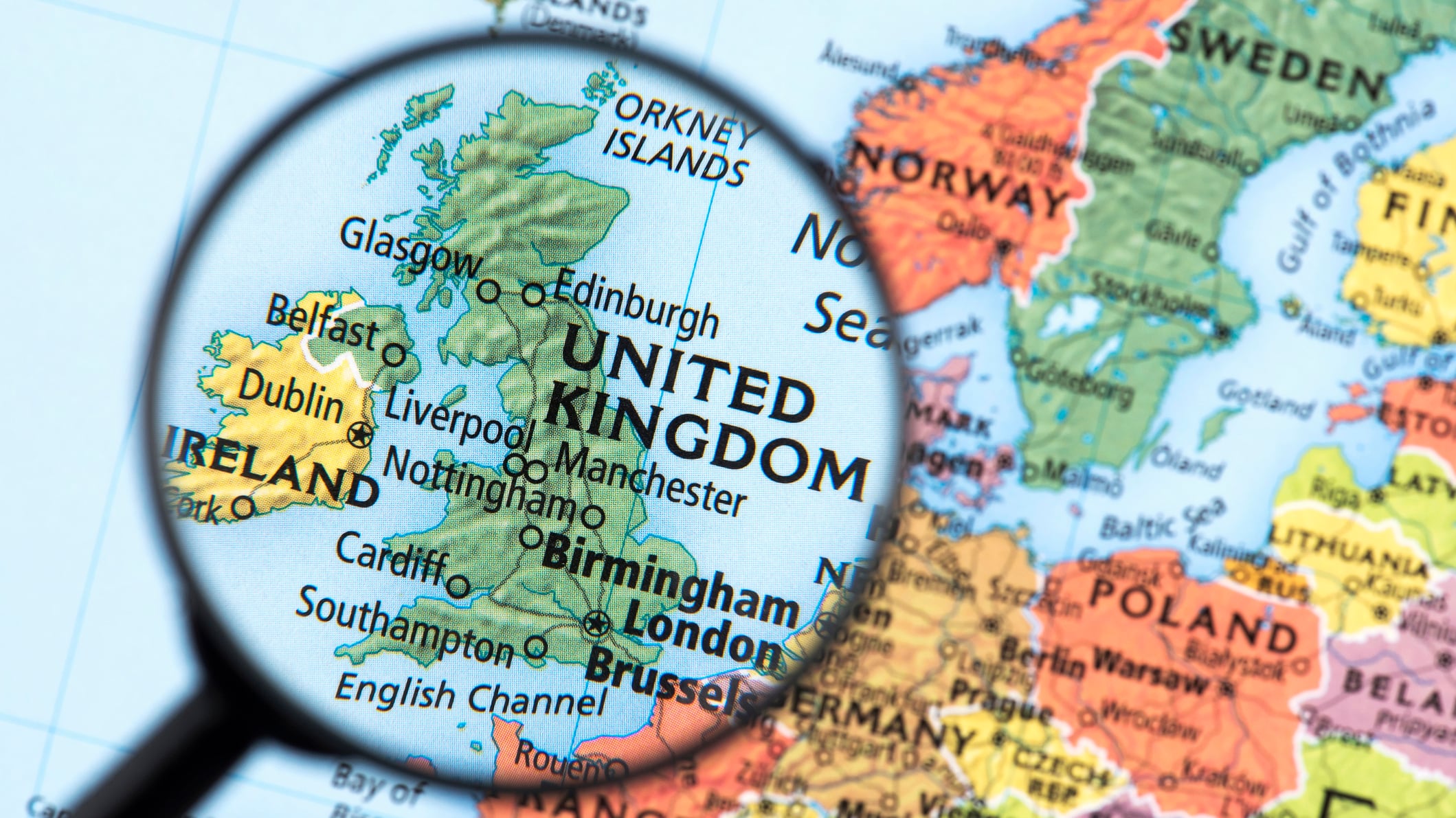

Exporters from the Republic traditionally favoured the land bridge connection through Britain as the key route to continental Europe, but increased complexity and costs as a result of Brexit have changed the equation dramatically in recent years, with a surge in direct routes for freight to the Continent.
“Ireland had no choice but to look at alternatives to the land bridge once Brexit changed the trading landscape and introduced additional customs requirements,” says Karl Foley, managing director of Farrelly & Scully Accountants. “The growth in direct maritime connections with European countries has been a key part of this response,”
When Brexit took effect in 2020, the response by hauliers and shipping companies was swift and dramatic. In January 2020 there were just 12 weekly sailings to and from northern France. Within a year that had tripled, with new services introduced by Stena Line, Irish Ferries, DFDS and Brittany Ferries, and there are now about 40 weekly sailings to and from France. While routes connecting Ireland with the Netherlands, Belgium and Spain have also opened, French ports have been the clear winners.
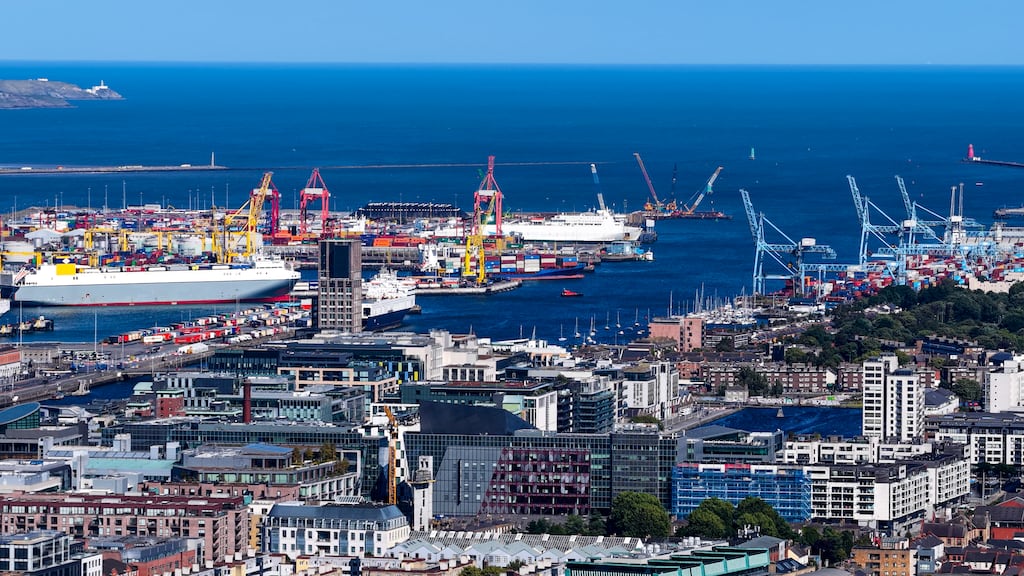
Dublin and Rosslare are now linked to Dunkirk, Le Havre, Cherbourg and Roscoff. Connectivity continues to grow with the recent announcement of a new year-round route operated by Hibernia Line connecting Ringaskiddy in Cork with Boulogne-sur-Mer in France, providing an additional option for freight as well as passenger traffic. Brittany Ferries, meanwhile, is introducing a new ship called the Wexford on the Rosslare-to-Cherbourg route, joining two vessels that already serve that route.
READ MORE


According to the Government, the greater frequency of sailings and new routes have “led to a shift in logistic patterns that have made the Brittany, Normandy, and Hauts-de-France ‘gateway regions’ for exporters to and from Ireland and France”. A sign of the further deepening of links with these gateway regions was the historic opening of Ireland’s first diplomatic representation in Brittany with the nomination of Jean-Marc Roué as honorary consul.
A 2025 study by Ciaran Mac Domhnaill, assistant lecturer in economics at Technological University Dublin, suggests that a decrease of 60 per cent in roll-on-roll-off (ro-ro) cargo between the State and Britain could be attributed to Brexit, along with an 88 per cent increase in ro-ro cargo volumes between Ireland and France for the same reason.
Another unplanned but nonetheless welcome benefit of the transition from land bridge to continental sea crossing is environmental. Even though the direct sea crossing is longer, it is more fuel efficient as less time is spent on the road. Mac Domhnaill estimated that fuel consumption and carbon emissions have been reduced by around a third through the direct sea crossing to the Continent.

While the expansion in routes is welcome, Foley says this needs to be matched by ongoing Government investments in infrastructure to maintain the State’s export success. “From port capacity to road networks to rail connections, all of these play a role in moving goods around the country and onwards to international markets,” he says.
The increasing importance of direct connectivity is certainly recognised at EU level, with Ireland’s direct freight connections with continental Europe featuring strongly in the EU’s latest Atlantic Corridor strategy, strengthening the case for further investment in ports, road links and freight infrastructure. The plan emphasises the importance of connections between Ireland and France, Germany, Spain and Portugal, and establishes a strategic roadmap for developing the corridor towards the EU’s 2030 and 2040 infrastructure deadlines.
However, the report notes that developing this capacity will require significant upgrades in infrastructure at ports. It specifically cites improving road networks around ports and improvement in rail freight services, as well as heavy goods vehicle parking and dedicated driver facilities near key maritime nodes to support the growth of direct continental freight. Under the statutory framework, Tier 1 and primary ports face strict deadlines to remove infrastructural bottlenecks with mainland European networks by 2030.
For those hankering for the traditional Irish Sea crossing, all is not lost. Simon McKeever, chief executive of the Irish Exporters Association, notes there are still a lot of people using the land bridge because the customs paperwork has become significantly less complicated than it was during the Brexit transition. With the Republic’s trade with the UK increasing by around 10 per cent last year, Irish Sea routes remain significant for exporters.