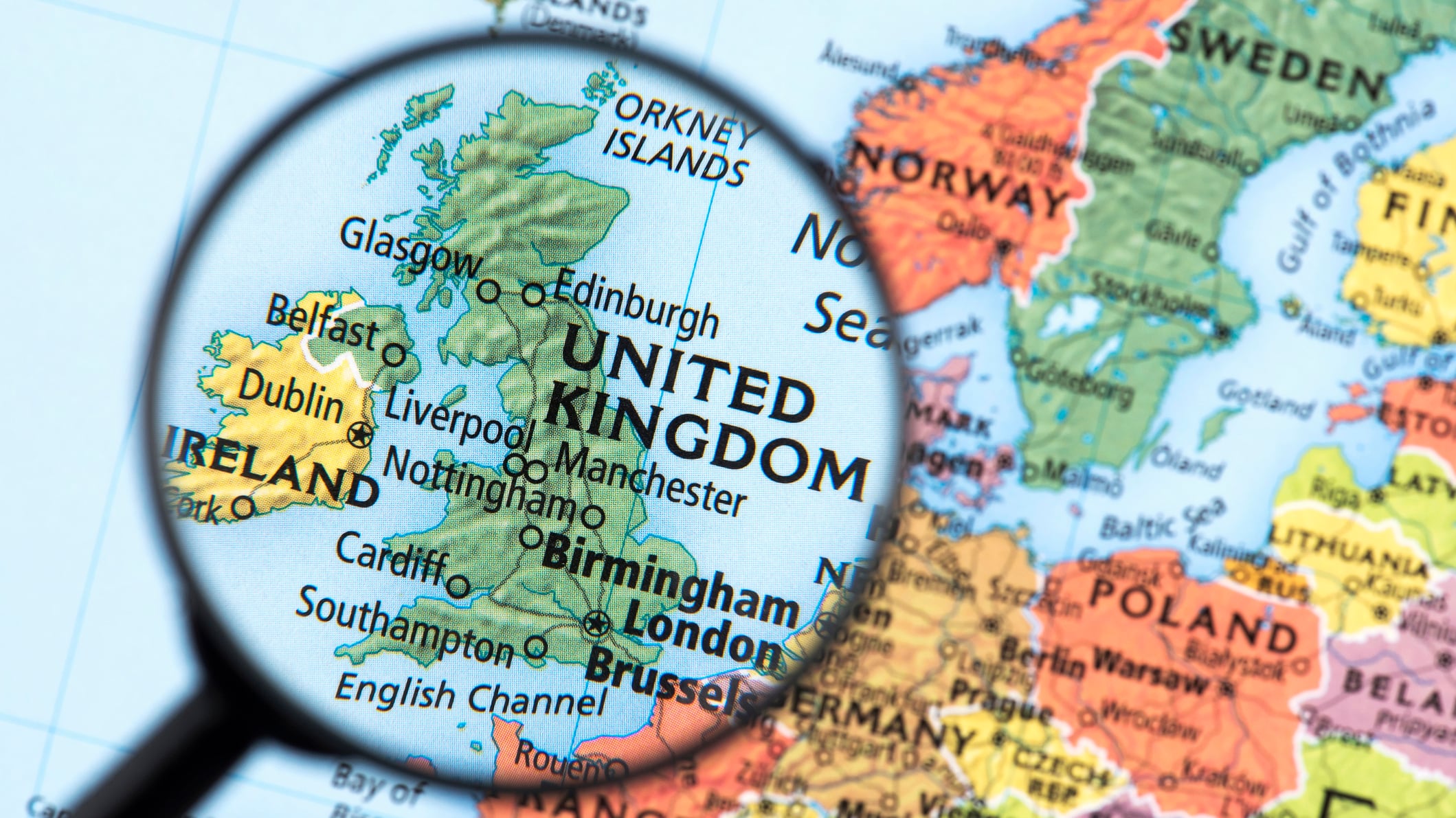

Despite the challenges of Brexit, the UK remains a vital market for Irish exporters, with long-standing commercial and cultural ties, geographical proximity and new investment opportunities continuing to underpin growth.
Goods exports from the Republic to the UK increased from €15.48 billion in 2015 to €20.59 billion in 2025, demonstrating the enduring strength of the relationship despite the additional barriers created by Brexit. Businesses based in the State have adapted to a more complex trading environment while continuing to capitalise on opportunities across the UK market.
The UK is the primary export market for most companies in the Republic, with many considering it an extension to their home market – a familiar, dynamic and rewarding environment that offers a vital first step on their journey to global growth, says Deirdre McPartlin, regional director for the UK, Nordics and new exporters at Enterprise Ireland.
“With a shared language, strong cultural ties, and similar legal and regulatory framework, it is a market where Irish companies can gain early traction, prove their international capabilities and build the confidence to expand further afield.”
READ MORE


Proximity is another significant advantage, says Simon McKeever, chief executive of the Irish Exporters Association. “There has been no dimming of the desire to get into the UK.” Businesses can meet potential customers and return home the same day, he adds.

Brexit replaced the simplicity of Single Market trade with customs formalities, regulatory checks and greater uncertainty, says Simon MacAllister, co-head of geopolitical strategy and former Brexit lead at EY Ireland. “Businesses have responded by building specialist expertise, adjusting logistics and supplier arrangements, and developing direct routes to continental Europe while continuing to trade with the UK.”
Customs requirements have become part of everyday business for Irish exporters, says McPartlin. “While they will look with interest at the prospect of simplification, they are basing their business decisions on the known current trading environment. For established businesses, solutions have been built into how they trade.
“For newcomers, the Irish market of service and logistics providers has adjusted and continues to identify areas of innovation in terms of support for exporters. Our Get Exporting programme for new exporters addresses any questions they might have and helps them prepare.”
Brexit also encouraged exporters to diversify without diminishing the UK’s appeal, says McKeever. The disruption was a “jolt to the system” that highlighted the importance of exploring other markets.
Significant public and private investment across the UK is supporting growth in a range of sectors, says McPartlin. “This is creating opportunities for Irish companies across a range of sectors, particularly in infrastructure projects such as water, healthcare and residential development, as well as the energy transition through grid infrastructure and offshore wind investment.

“Continued digital transformation across both the public and private sectors is also driving demand for Irish technology, software and business services companies.”
However, exporters should not automatically focus on London, where intense competition can make market entry difficult, says McKeever. Cities such as Birmingham, Manchester, Liverpool and Sheffield can offer more accessible entry points, particularly for smaller businesses seeking to establish a foothold in Britain.
Once established in the UK, companies from the Republic should focus on building resilience by reducing their dependence on individual customers, sectors or geographic markets, says McPartlin. “As they build scale, companies will tackle these matters in accordance to the resources available to them while also keeping an eye on the most profitable way for them to grow.
“That profit base will in turn provide the resources to reinvest in competitiveness and resilience – primarily in innovating their offer and professionalising their sales and marketing approach.”
McKeever also sees opportunities for manufacturers from the State to participate in supply chains supporting big UK industrial projects overseas. Companies with UK-registered operations should also investigate the business supports available to them in Britain, he adds.
Customs, regulation and geopolitical risk must now be treated as permanent strategic considerations rather than temporary compliance issues, says MacAllister. “Firms that understand their supply-chain exposure, invest in productivity and maintain options across suppliers, routes and markets will be best placed to compete.”