

The effective seizure of hundreds of leased aircraft by Russian airlines after the invasion of Ukraine exposed a structural vulnerability in global aviation finance: the assumption that mobile assets can be reliably recovered across jurisdictions. But what can lessors do when a customer stops making payments or otherwise breaches the terms of a lease? What are the logistics involved in repossessing an aircraft?
“Although aircraft mobility is a central enabler of the global air transport system, it also complicates the enforcement of property rights when geopolitical shocks intervene,” says Marina Efthymiou, professor of aviation management, DCU.
“The Russian case demonstrated that, in times of political tension, aircraft can quickly become bargaining chips.
“Rather than being treated purely as commercial assets, they may be absorbed into wider national interests. When this happens, the legal protections that lessors rely on – no matter how carefully drafted –may not hold, because governments can prioritise strategic or political objectives over international rules.”
READ MORE


Recent developments involving Irish lessors reinforce this reality, says Efthymiou. “While several firms, including AerCap and Avolon, have secured substantial insurance settlements after courts deemed their stranded aircraft to be “lost,” these awards do not restore physical control of the assets. They simply acknowledge that recovery is no longer feasible.
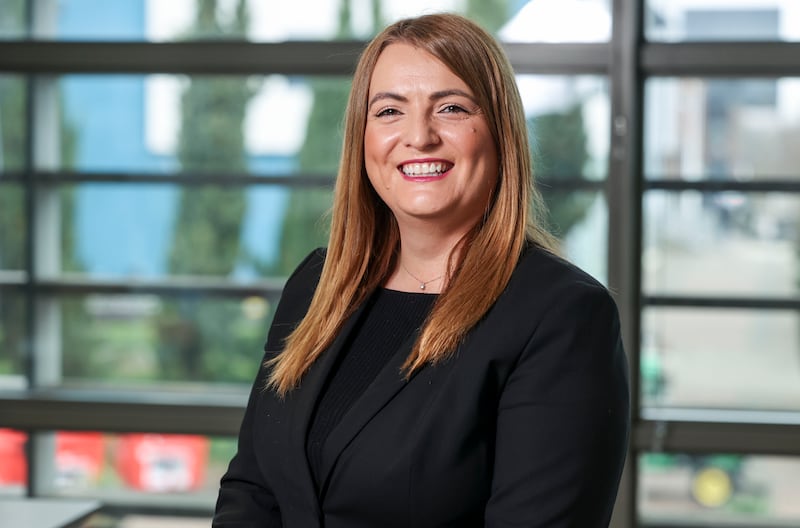
“This outcome has reassured balance sheets but has also highlighted the fundamental risk: even in sophisticated leasing hubs such as Ireland, asset recovery can be impossible when state action overrides international norms. The aviation finance system therefore faces an uneven risk landscape shaped as much by geopolitics as by contract law.”
When a lessee stops making payments or breaches a lease, lessors typically begin with negotiated solutions such as revised payment plans or temporary waivers, explains Efthymiou.
“Repossession remains a last resort – expensive, operationally disruptive and potentially damaging to long-term commercial relationships. If negotiations fail, lessors may exercise their contractual rights to ground the aircraft, terminate the lease and attempt to take physical possession. The feasibility and speed of these actions depend heavily on where the aircraft is located and the attitude of the local legal environment.”
The Cape Town Convention (CTC) is intended to mitigate some of this asymmetry by providing a harmonised international regime that strengthens creditor rights and standardises remedies in the event of default. “Through mechanisms such as the IDERA (Irrevocable De-registration and Export Request Authorisation), the CTC aims to streamline deregistration and export, reducing uncertainty in cross-border repossession, says Efthymiou.
“Yet, the Russian experience – and the recent cases pursued by Irish lessors – shows that the CTC is only as effective as the willingness of states to honour it. Where geopolitical motives intrude, even well-established international frameworks can be severely constrained.”
Efthymiou says the logistics of repossessing an aircraft remain extensive and multifaceted. “Once legal rights are established, lessors must coordinate a complex operation that includes locating the aircraft in a cooperative jurisdiction; deploying technical teams to inspect the aircraft, verify records and confirm airworthiness; arranging qualified ferry pilots, insurance, and permits; and securing access to maintenance documentation, which can be as valuable as the aircraft itself.
“Navigating local court orders or administrative procedures adds further complexity. In contested environments, these challenges are intensified by deliberate obstruction, regulatory ambiguity or state-sanctioned re-registration, each of which can erode asset value and undermine lessors’ contractual expectations.”
From a policy perspective, the Russian case – and the ongoing legal and financial fallout for Irish lessors – raises important questions about the limits of international legal harmonisation and the resilience of global aviation finance, says Efthymiou.
“At Dublin City University Sustainable Aviation Hub, our work on aviation governance and sustainability increasingly engages with these systemic risks. Understanding how geopolitical volatility interacts with aircraft finance, market dynamics and regulatory frameworks is becoming essential for both industry practitioners and the next generation of aviation professionals.”


