
A possible tech stock bubble; crunching affordability; a slowdown in price growth; an expected increase in the supply of housing. Is now really the time to buy a property? Or should you wait?
After several years of strong price growth, it is certainly an expensive time to buy. Figures from the Central Bank show that in the first six months of this year the average loan for a first-time buyer was €318,730, and the average mortgage term was 30 years.
At the same time, rents continue to reach new highs.
Given that buying a home “is one of the biggest financial decisions you’ll make in your life” says Rachel McGovern, deputy chief executive of Brokers Ireland, you’ll want to make the right one.
READ MORE
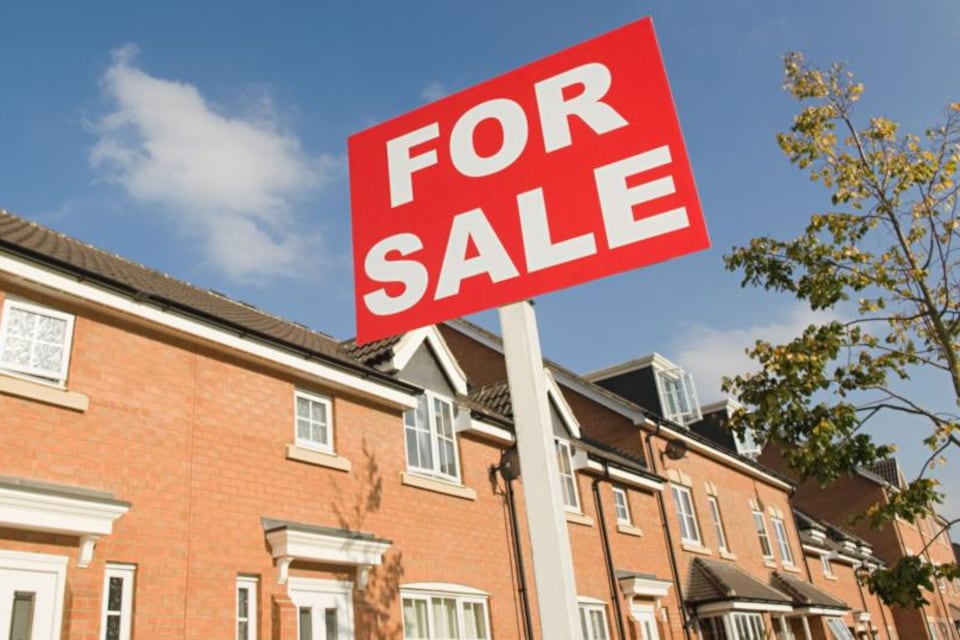

So, as the year comes to an end, many putative home buyers may be wondering should they stick or twist.
But what’s the best decision? Buy now? Or could you get more for your money if you wait?
Property prices
For some, the biggest influence on their decision might be the direction of property prices.
Evidence would suggest that property price growth is starting to slow down. Prices rose by 5.3 per cent in the 12 months to the end of September in Dublin, and by 9.4 per cent outside the capital.
But in September 2024, prices were growing at an annual rate of 11 per cent in Dublin. While price growth is steady outside of the capital, one would typically expect any slowdown to start in the area of most activity and subsequently spread outwards.
[ Sole borrowers make up nearly two-thirds of apartment mortgagesOpens in new window ]
Goodbody Stockbrokers, in its recent housing chartbook, is forecasting price growth of 4.9 per cent for 2026, and 3.7 per cent for 2027 – some way off 2024’s growth of almost 9 per cent.
Indeed Nick Charalambous, managing director of Alpha Wealth, says agents are now starting to see some softening in the high-end €1 million-plus market.
“It’s starting to become a little more difficult at that level,” he says.
Still, any rate of growth means that properties are getting more expensive each month.
Goodbody says that prices “remain underpinned by strong demand and low supply despite a moderation in the pace of growth in Dublin”.
According to the latest CSO survey, the median price of a home purchased nationally in the 12 months to September was €380,000. If price growth outside Dublin stays around the 9 per cent level, you could expect to pay an additional €34,200 for this house in a year’s time.
Is it cheaper to rent or buy?

Two-bed apartment, Dublin 2
- Buy: €2,400
- Rent: €1,883
Three-bed home, Cork city
- Buy: €1,202
- Rent: €2,000
Five-bed house in Co Wicklow
- Buy: €2,744
- Rent: €2,286
In Dublin, Dún Laoghaire-Rathdown had the highest median price of €675,000 in the most recent survey. Based on Dublin growth rates remaining steady, this typical property could cost a further €33,750 in a year’s time, and almost €735,000 by 2027, based on Goodbody’s forecasts.
So, holding off on a purchase can come at a price.
On the other hand, there is no guarantee that prices will continue to rise, and there are certainly risks to the downside.
The Economic and Social Research Institute, for example, based on data from the middle of 2024, suggests that property prices are overvalued by somewhere in the region of 8 to 10 per cent, raising concerns about the “prospect of a painful correction such as that witnessed between 2007 and 2012”.
Unemployment is also edging upwards, and a severe unemployment shock, and a loss of confidence, could send house prices downwards.
Cost of financing
Holding off on a property purchase may also make sense if you think that interest rates – and thus the cost of buying a home – may fall.
After all, it’s important to note that unless you buy with cash, the cost of your finance can have almost as much of an impact on the overall transaction.
Consider a home bought with a €500,000 mortgage and a €50,000 deposit. Over 30 years, at a steady interest rate of 3.5 per cent, the total cost of funds will be €308,280 – so that €550,000 house will actually have cost you in excess of €900,000. But if that interest rate was only 2 per cent, then the interest cost would be €211,218 – and if rates were 5.5 per cent, your interest bill alone would be almost €525,000 – which means that the house will have cost you in excess of €1 million.
So, interest rates matter. At present, the best rates on the market are fixed rates starting at about 3.2 per cent.
Of course, banks are no longer as tied as they once were to European Central Bank rates, with much of their funding now coming from bank deposits.
So, mortgage rates aren’t as “sensitive”, as Charalambous says, as they might have been to interest rate hikes – or reductions – in the past.
Opportunity costs of waiting
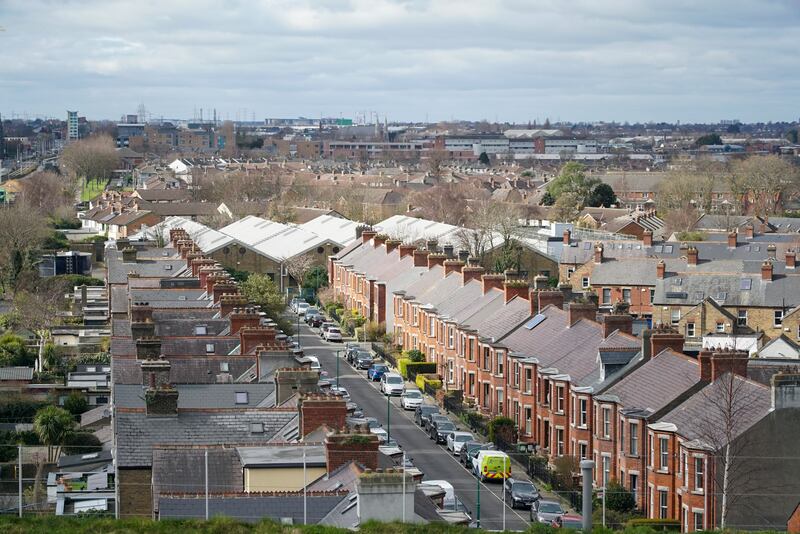
If you hold off on a purchase, you’ll still have to live somewhere. And this can cost.
If you still live rent-free at home – or at amenable rates – this cost may not be too much of a consideration.
But if you’re renting privately you will likely be paying a considerable amount.
“A pro of putting your money into a mortgage rather than ‘dead money’ of rent is that it’s going towards repayments on a property that you’ll own at the end of the day,” says McGovern.
According to the Residential Tenancies Board rent index for the first quarter of this year, for example, rents for a new tenancy for a three-bed house stand at €1,378 outside of Dublin, and €2,395 in Dublin.
While rents for an existing tenancy might be lower, they nonetheless offer a good guide, and suggest that outside of Dublin your family could be spending more than €16,000 on rent – which might otherwise have been ploughed into a mortgage. In Dublin, this will be more than €28,000.
Over a couple of years, this can stack up. And Goodbody is also forecasting continued rental growth, of 3.6 per cent for 2026 and 3.1 per cent for 2027.
Not only that, but putting the money into your mortgage might also be cheaper.
Based on figures from Daft.ie from earlier this year, it still makes financial sense to buy rather than rent in most parts of the country.
For example, a three-bed house in Dublin 18 would cost about €2,500 a month to rent. However to buy, you would be looking at mortgage repayments of just €2,000 a month. This is savings of €500 a month/€6,000 a year – with some of those repayments also going towards an asset you will ultimately own.
[ Last 12 months saw highest number of first-time-buyer mortgages since 2007Opens in new window ]
Similarly, a two-bed apartment in Dublin 2 will cost about €2,400 a month in rent – or just €1,883 to buy. In Cork city, you’ll pay about €2,000 to rent a three-bed home – but just €1,202 to buy it, while in Limerick city, a two-bed house will cost €1,662 to rent – but just €870 to buy.
But this is not the case everywhere. Back to Dublin 18, and a four-bed house will be cheaper to rent (€3,167) than buy (€3,835), while in Dublin 6, a four-bed house costs €3,449 to rent – but €5,119 to buy.
And a five-bed house in Co Wicklow will cost €2,744 a month to own – but just €2,286 to rent.
There is also the possibility, if you have managed to accumulate a sizeable deposit, of investing this. Over the past 12 months for example, the S&P is up by about 12 per cent. If you had put your €50,000 into this, you could have grown it by about €6,000.
While markets look uncertain heading into the new year, there are always investment opportunities.
On the other hand, as Charalambous notes, while paying rent may be a waste – “it still gives you some flexibility”.
Your own circumstances
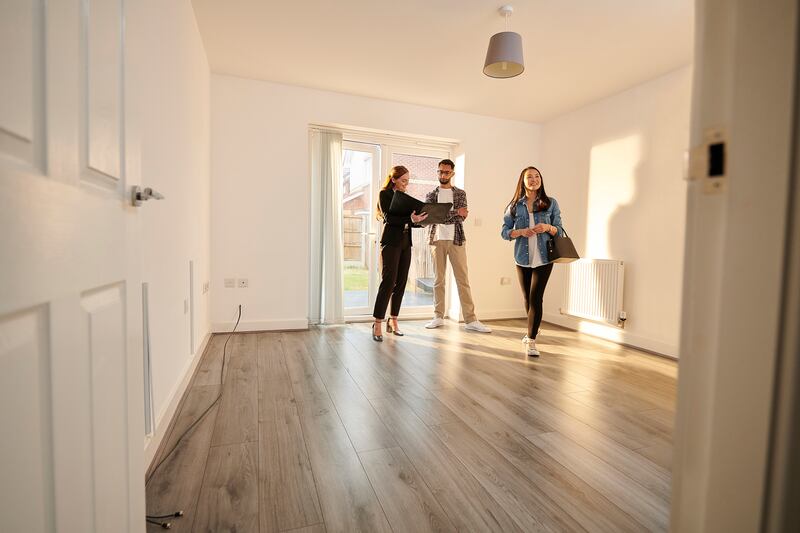
Ultimately then, your decision will most likely come down to your own circumstances.
“There shouldn’t really be a sense of trying to time the market, it’s notoriously difficult to do so,” advises Charalambous. “Trying to save €20-€30,000 on the price of a property could end up costing you more on rent in the interim.”
So can you afford to buy a home that has some longevity and won’t see you forced to move again in the short to medium term?
“We’ve all learned from the Celtic Tiger,” says McGovern, calling to mind buyers trapped in one-bed apartments due to plunging prices.
So, buyers should bear in mind that trading up may not be an option in a short period of time, depending on how markets are.
“It’s about not buying something that will not suit your needs in the medium term,” she advises.
[ Mortgages approvals hit highest level in three yearsOpens in new window ]
Charalambous agrees.
“The worst thing is buying the wrong property – it’s a large asset and can be illiquid. A decision in the short term mightn’t suit the long term”.
Your age is also a consideration.
“One of the pros of buying as soon as you can, if you’re getting a mortgage, is that obviously the term of the mortgage can be a little bit longer, which mean repayments will be lower,” says McGovern.
Central Bank figures show that the average first-time buyer is now 36, and the average trader-up is 43.
For affordability reasons (to keep your monthly repayments lower), you may need to borrow over a longer 30-year term – but a bank may be unlikely to let you borrow beyond your retirement age.
So then, if your company has a retirement age of 66, your age is going to be a key consideration when it comes to making a decision.
On the other hand, if you’re hoping to buy in your own area, waiting may mean a boost in supply on the back of the latest Government housing plan – and possibly lower prices.
“If supply catches up with demand, you’d hope to see that reflected in housing prices,” says McGovern. However, she adds that while supply will “probably” catch up with demand, it also probably won’t be in the short term.
If you haven’t been prudent with your finances – such as being able to show evidence of saving, not running up careless debt or overdrafts, etc – it may also make sense to postpone a purchase.
“To give yourself the best chance of getting a mortgage approval, people may have to look at how they’re spending their money,” says McGovern.