
If you’ve recently heard a collective intake of breath, it’s probably coming from a posse of publishers near you, bracing themselves for the deluge that’s coming. They know that those new year resolutions to get that novel published have been set in motion. Manuscripts have been retrieved from the dusty bowels of laptops and are being dispatched.
And in tandem with the arrival of the swallows, the rejection emails will start to wing their way into the inboxes of many of those hopeful writers. But if your life’s work is rejected, fear not. You are in the best of company, judging by a book I recently read. Rotten Rejections, by editor André Bernard, documents the in-house memos, letters and anecdotes involving the rejection of work by some very familiar names, including many Irish authors.
Back in 1895, poor WB Yeats was castigated for his offering, Poems. “I am relieved to find the critics shrink from saying that Mr Yeats will ever be a popular author,” huffed the person who received the submission – the book doesn’t cite the names of those who were so bold as to reject these titans of literature. “The work does not please the ear, nor kindle the imagination,” the publisher continued. “That he has any real paying audience I find hard to believe.”
Samuel Beckett fared no better. His book, Dream of Fair to Middling Women, was dismissed in 1932 with a declaration that the publisher “wouldn’t touch this with a barge-pole”. The writer conceded that Beckett was “probably a clever fellow” but he had “elaborated a slavish and rather incoherent imitation of Joyce, most eccentric in language and full of disgustingly affected passages – also indecent: the book is damned ...”
READ MORE


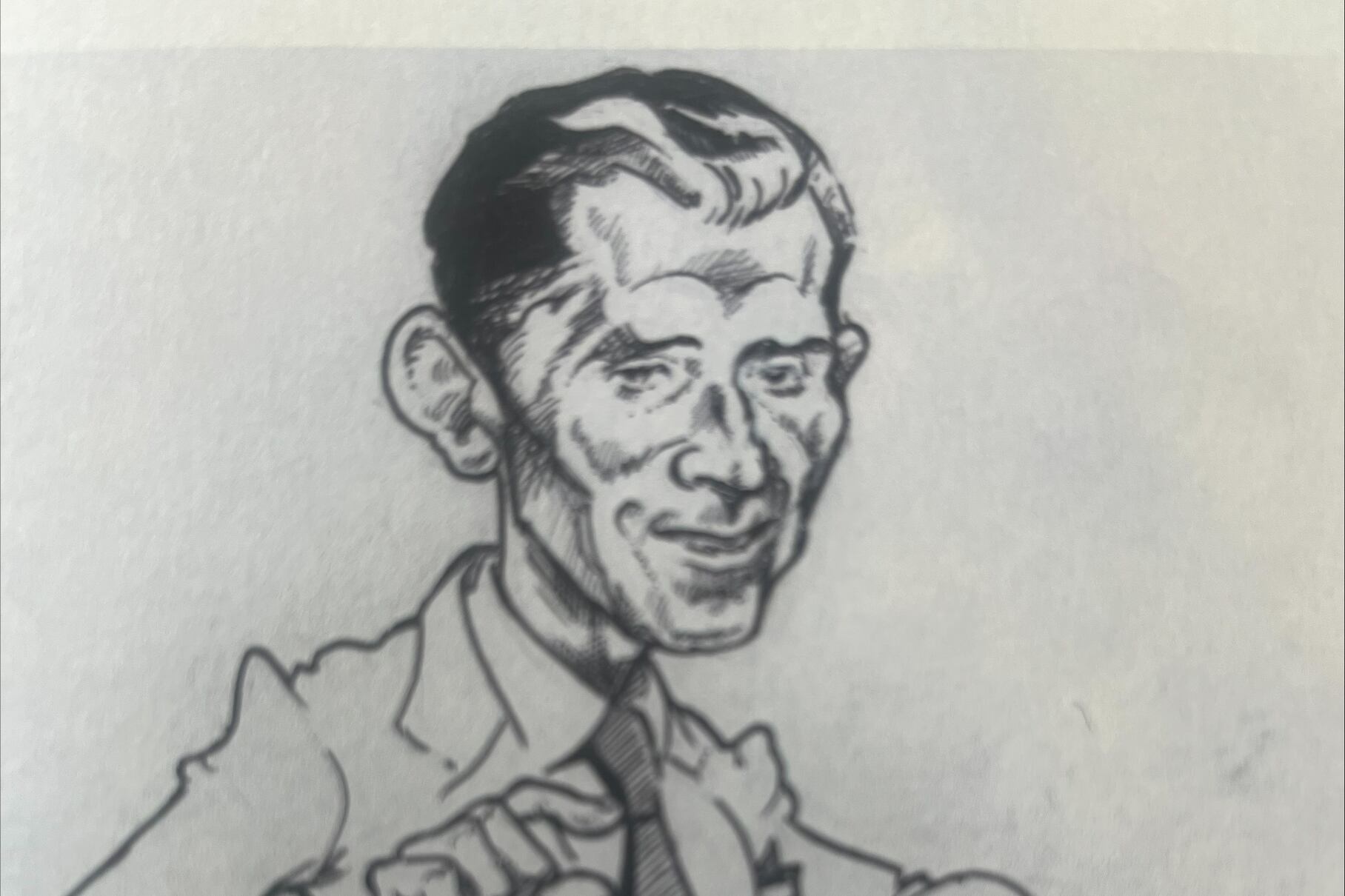

Almost 20 years later, Beckett was rejected with gusto again when he submitted two novels, Molloy, and Malone Dies. An American publisher dismissed them as unfunny, senseless and dull. “There’s no sense considering them for publication here; the bad taste of the American public does not yet coincide with the bad taste of the French avant-garde.”
Another American publisher rejected JM Synge’s Collected Works in 1962, predicting that “they would not in the slightest way appeal to the ordinary reading public of this country”. Tell that to the audiences who packed theatres across the US when Druid toured its Synge double bill decades later.
We may pride ourselves on our inventive use of Hiberno-English, but some publishers failed to appreciate it – including the one who rejected Padraic Colum’s novel The Flying Swans in 1957. “You get almost no sensation of a story being told, for the mind of the author and that very difficult Irish way of speaking English both get in the way,” the publisher tutted.
Arra, shur, what do these publishers know? One of them rejected Mastering the Art of French Cooking, the culinary bible Julia Child wrote with two French chefs, claiming it would frighten the average American housewife. “It is a big, expensive cookbook of elaborate information and might well prove formidable to the American housewife. She might easily clip one of these recipes out of a magazine but be frightened by the book as a whole.” The book hasn’t been out of print since it was published in 1961.
And Anne Frank’s Diary was dismissed by a publisher as lacking any “special perception or feeling which would lift that book above the ‘curiosity’ level”. Almost 75 years later, more than 30 million copies of the book have been sold, proving that there are an awful lot of curious readers out there.
At least Anne Frank never knew her book had been so rudely rejected. Many years ago I sent off a children’s book to a leading UK agent, certain that this book would finally propel me into the literary stratosphere.
It would allow me to hobnob with Roddy Doyle at book awards ceremonies and talk airily about my new summer house in Italy. Unfortunately it was rejected by the agent with an almost indecent haste and Roddy Doyle never got a chance to advise me on buying a writing retreat in Italy.
Then, around a year later I received another email from the agent. Had they changed their mind, I wondered excitedly. No, in fact the opposite. They were cruelly rejecting it a second time. Either they hated the book so much that they decided to reject it on the double in case I ever troubled another agent or publisher with it. Or perhaps the original submission fell behind a shelf on the internet and when they fished it out they didn’t realise they had already rejected it. I choose to go with the latter scenario.
Yeats, Beckett and the others may have been painfully acquainted with rejection in their lives, but at least they were spared this particular humiliation.


