
A gale-force wind swept in from the North Atlantic in Ayrshire, Scotland, and flung a shower of hail at us as we left the house. It was January 25th and we, Miss Taggart and I, were on our way to celebrate Robert Burns birthday. He lives on in his legacy of poetry and music and, in particular, with the celebration of the annual Burns Supper.
When I first attended the Scottish International Poetry Festival in Ayrshire, I was housed with Miss Taggart. She ran a guest house with windows framing the magnificent view of the Isle of Arran.
Each night she waited for my homecoming offering cocoa and oatcakes and we sat in her cosy kitchen while she educated me as much as she could on all things Scottish and in particular Burns. “Did ye know he was a Heckler?”
A Heckler, she explained, worked in the linen industry pulling flax fibres through sharp steel combs. A tough job, so no wonder Robert – or “Rabbie” as she called him – didn’t last long at it. His workplace on a street in the town of Irvine called the Vennel is preserved as a shrine to him.
READ MORE


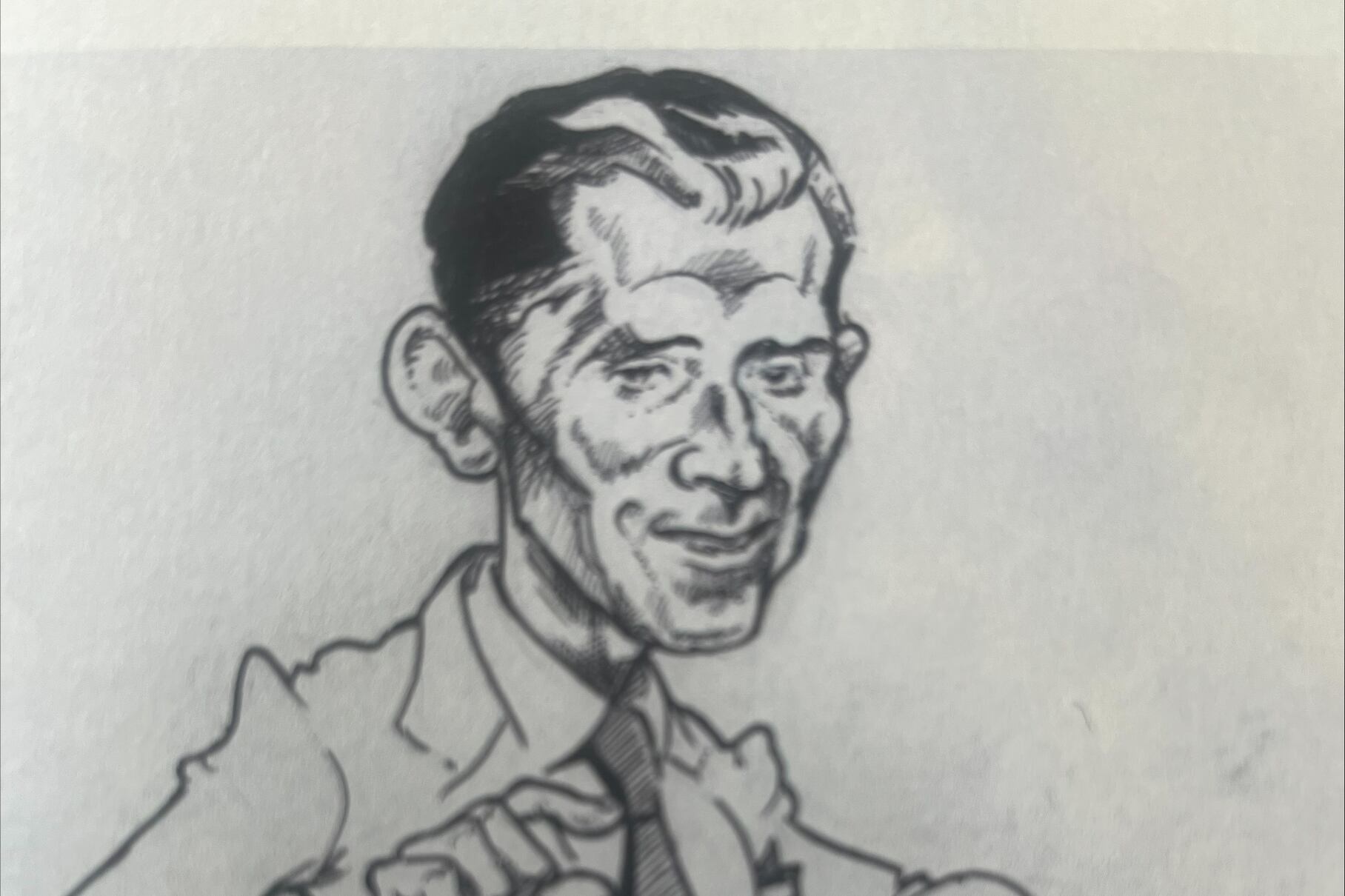

Miss Taggart also told me all that music attributed to him was old highland tunes that he had collected and put words to so that it would be preserved for posterity.
She recited his poetry with a soft burr and sang snatches of his songs for me – Coming Through the Rye, The Banks O’Doon, Flow Gently Sweet Afton and, my favourite Ae Fond Kiss.
For the next couple of years when I went to the poetry festival I lodged with Miss Taggart. She told me a little of her life in the town of Irvine. She was an only child to parents who came in from “The Isles” for work on the mainland. They became specialist tartan weavers and eventually bought the three-storey house that my little lady inherited.
They passed away when she was 18 years old. She had to work to earn her keep. The guest house was born at the suggestion of her bank manager. She loved it.
Each time I took my leave of her, she stood in her doorway and when I turned at the top of the hill and waved to that tiny white-haired lady, I felt, rather than heard, her say – “Will ye no come back again?”
[ Feel the Burns – An Irishman’s Diary about Scotland’s national poetOpens in new window ]
We kept in touch, Miss Taggart and I, you couldn’t exactly call it a correspondence – just an occasional card. That lonesome image of her in the doorway of her home remained with me, and when her Christmas card came with an invitation to accompany her to the Burns Supper on January 25th, how could I refuse?
Thus, I found myself with Miss Taggart clinging together as we battled the weather all the way up the hill to the Burns Club.
A piper in full highland regalia led the procession up to the banquet in the Supper Room. Men in kilts and ladies in long white dresses draped with a plaid escorted us to our places and we remained standing as our host intoned The Selkirk Grace – Some hae meat an canna eat, And some wad eat that want it – But we hae meat, and we can eat, And sae let the Lord be thankit.
A Scotch broth was served and eaten, then everything went quiet and we stood again as a line of pipers piped in the haggis borne high on a silver tray. It was marched around the room and finally laid on the table before our host.
[ Feel the Burns – Frank McNally on Scotland’s national poetOpens in new window ]
There he addressed the haggis in the words of Burns – Fair fa’ your honest sonsie face/Great chieftain o’ the puddin-race / Aboon them a’ ye tak your place/ painch, tripe, or thairm/ Weel are ye wordy o’ a grace/ as long as my airm.
Several verses later our host lifted a claidheamh mòr – a large sword – and sliced the haggis. Finally, we were served spoonfuls of it with tatties and neaps – that’s mashed potatoes and turnips but before we take a bite, our glasses were filled with local smoky whisky and a toast was proposed to the haggis.
It was all very solemn. There were more and more speeches and poems and songs of Burns. Our glasses were topped up every so often and by the time Auld Lang Syne was sung Miss Taggart and I were somewhat unsteady and giggling like schoolgirls.
The weather didn’t bother us one bit as we did something akin to a highland fling back down the hill to her house.
That April, I returned for the last time to the poetry festival but Miss Taggart wasn’t home. She had passed away shortly after our Burns Supper in Ayrshire.


