The value of Irish food and drink exports increased by 12 per cent to a record €19 billion last year, Bord Bia has said in its latest annual export report, despite what the food agency described as one of the most volatile trading environments in recent years.
Dairy, beef, and seafood exports all increased in the year, according to the report, amid higher prices on global markets for these products.
However, the growth of Irish drinks export values tumbled from 19 per cent in 2024 to just 2 per cent in 2025, standing at €2 billion at the end of last year.
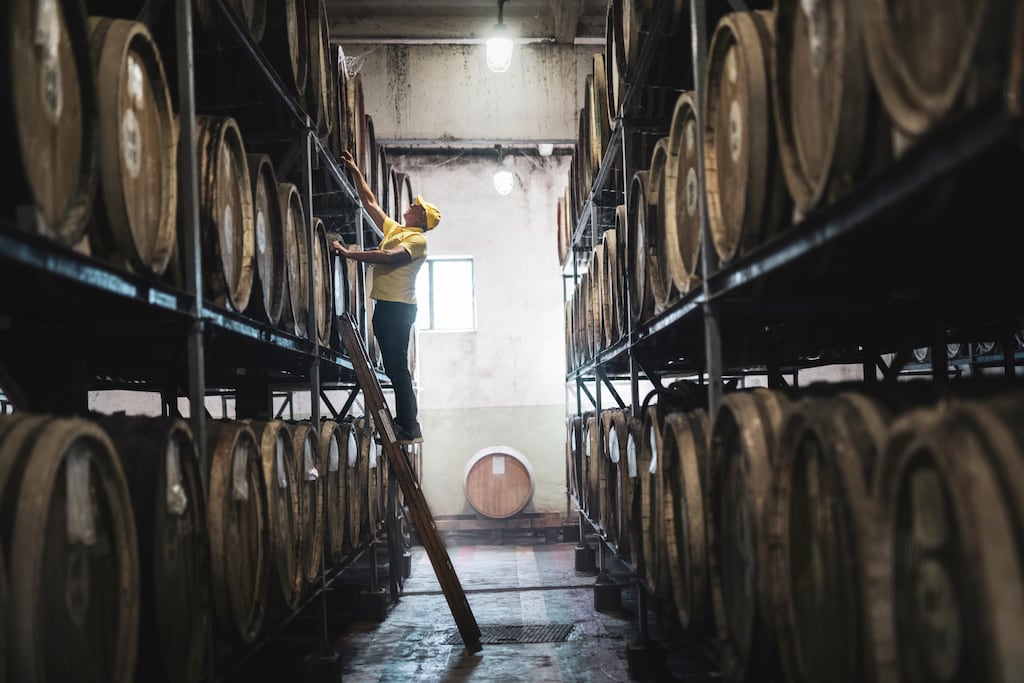
This was largely due to a sharp 5 per cent decline in the value of Irish whiskey exports, which account for 45 per cent of the total, to €930 million.
READ MORE


Bord Bia said drinks exporters were forced to adapt to “new trading conditions” because of US president Donald Trump’s tariffs on goods entering the US, which remains the single largest destination for Irish drinks exports.
Yet, despite heightened trade tensions between the US and the European Union, North America remained an important export market, particularly for dairy exports, the value of which increased by 11 per cent to €1 billion.
Ireland’s biggest growth market, however, was the European Union.
The value of exports to other member states increased “strongly”, Bord Bia said, by 16 per cent to €7.1 billion in 2025, accounting for 37 per cent of all food, drink and horticulture export value.
Growth was centred mostly in the largest EU markets, including the Netherlands, France, Germany, Spain and Belgium.
Yet, the UK remained the Republic’s largest single export market, with exports to our nearest neighbouring economy up 14 per cent last year to €6.7 billion.
Meanwhile, exports to Asia were “broadly stable” at €1.1 billion, Bord Bia said. Stronger dairy and shipments to Southeast Asia offset declines in beef and pig meat exports to China and Japan.
Overall, pig and sheep meat export values declined in the year, due to a combination of factors, including “tariff complications”, Bord Bia said.
Looking ahead, the agency said food and drink exporters are starting 2026 with a “more cautious outlook”.
A survey of the agency’s exporters revealed that just over half expect export growth in 2026, while almost two in five are delaying investment due to market conditions.
Bord Bia said increased and rising labour costs are the top-ranked risk to competitiveness among exporters.
“Despite the headwinds, the strength of our reputation, our commitment to sustainability, and the resilience of our sector provide a strong foundation for the future,” said Jim O’Toole, chief executive of Bord Bia.


