

Just over 50 years ago, a music teacher in Wesley College, Dublin, set himself the challenge to beat the Guinness World Record for continuous organ playing.
As a fundraising effort for a new pipe organ for the school, it was novel. But as a test of endurance, it was large.
Frank Hughes – then aged 34 – prepared himself with long hours of playing through the night to test how he’d cope with sleep deprivation. The Guinness World Record for continuous organ playing at the time was 86 hours.
In 1975, Wesley College had commissioned a new pipe organ for its assembly hall at a cost of £700 (equivalent of €9,500 today). And as the pipe organ builder, Kenneth Jones, started to construct the new instrument backstage, Hughes began his marathon effort using a borrowed organ at the other end of the hall. It was 9am on Friday, October 31st, 1975, when Hughes started to play.
READ MORE


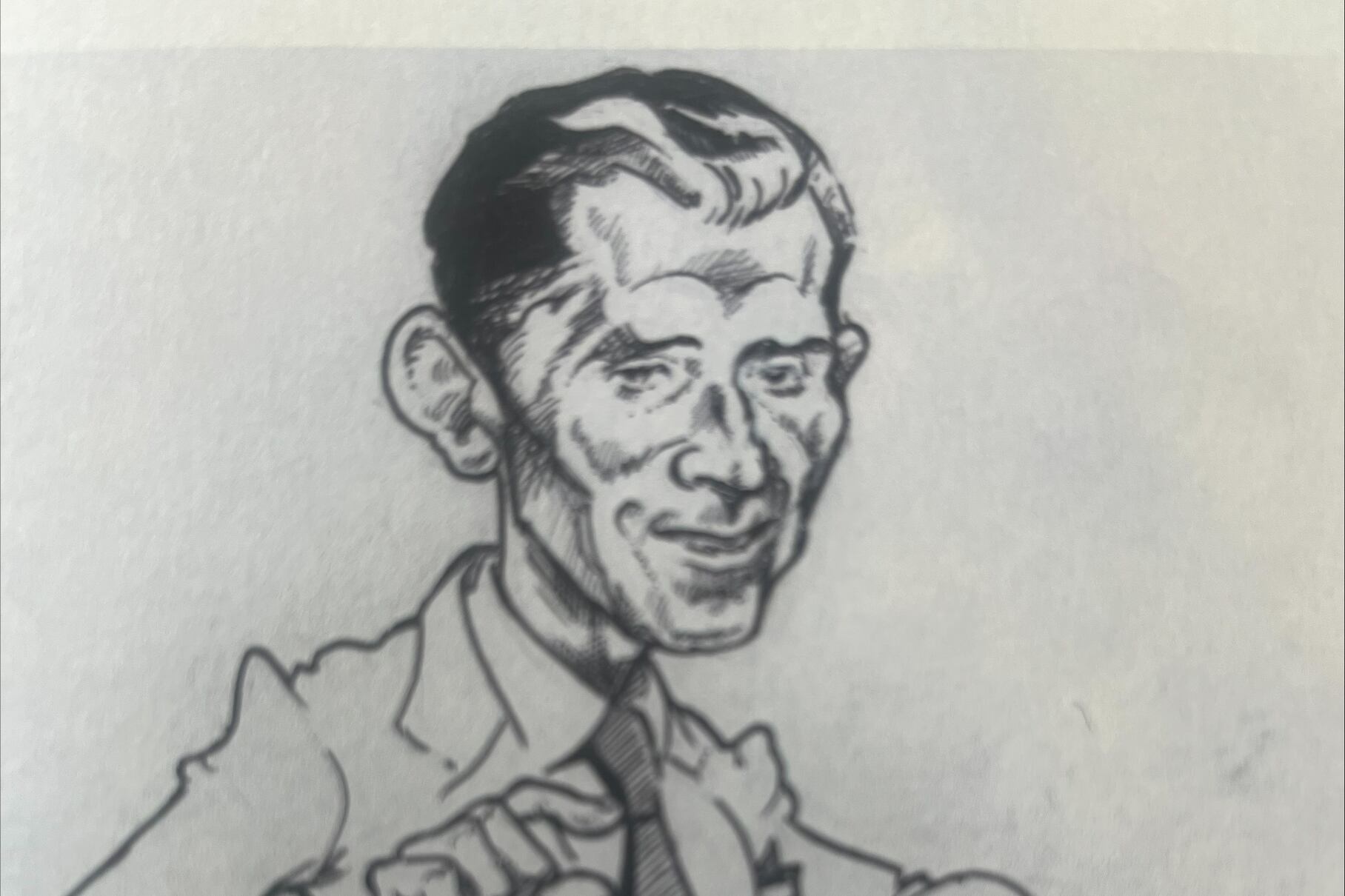

The students were home for the Halloween break getting sponsorship for his efforts, but back at the school Hughes had a trusty team to stick by him round the clock. The team included a dietitian, a massage therapist and a psychiatrist, all tasked with keeping a close eye on his physical and psychological welfare.
The Guinness World Records regulations required him to play “proper, recognisable music”, so Hughes played everything from Bach’s preludes and fugues to The Beatles’ Let It Be on repeat. Choirs came to rehearse for concerts and audience members sang along to the popular tunes.
According to the rules of the competition, Hughes was allowed five minutes rest per hour which he could accumulate to extend his breaks a little longer to allow him to go to the toilet, eat, have a quick shower or a breath of fresh air. But he never slept.
Officials from the Guinness World Records team kept a log, recording every hour he played. It wasn’t easy and, at times, he had visual hallucinations, experiencing the notes from the manuscript music floating off the pages. At other times, he could taste the sounds of the music he was playing, a surreal symptoms of extreme sensory overload.
Speaking to The Irish Times this week, Hughes recounted how he hit a (metaphorical) wall on the Sunday evening and was ready to give up.
“I was taken outside by a member of staff and an ex-student – who subsequently became my wife – who calmly told me how I’d be letting everyone down if I stopped,” the retired music teacher recalls.
He returned to the organ and played on. As word spread of the event, crowds gathered to observe with numbers reaching their hundreds in the final hours. Irish Times photographer Tom Lawlor also popped in and out to see how Hughes was getting on as he came close to beating the record.
Hughes continued playing until 3am on Tuesday, clocking up 90 hours and 12 minutes and beating the Guinness World Record by more than four hours.
A photograph Lawlor had taken during the marathon performance made it to the front page of The Irish Times on Wednesday, November 5th, 1975.
The following year – in March 1976 – Hughes invited students from 10 nearby schools to take part in an evening of competitive musical entertainment at the school.
“The idea was that it would give them an opportunity to perform in public about a month before the Feis Ceoil competitions,” Hughes says.
From these small beginnings, up to 100 schools now take part in what has become the Wesley College Interschools Music Festival, the largest competitive musical event held in a school in Ireland.
From lunchtime on Friday and all day Saturday, thousands of young people from throughout Dublin and beyond will play instruments, sing in choirs and solo singing competitions, play in traditional, jazz and rock bands throughout the school.
Professional musician adjudicators (some of whom made their debuts at the festival) will rate these performances while nervous family members watch. The excitement of live musical performances will fill corridors, auditoriums and classrooms. Trophies will be handed out to the stars at the end of each competition.
While the standard is high with emerging talent shining through, the atmosphere is convivial and the judges encouraging in their remarks.
Hughes watches the competition with a mix of wonder and awe. “I have great pride that it has continued for so long with huge credit due to the organisers,” he says.


