“Solvitur ambulando” – it is solved by walking – is attributed to the ancient Greek philosopher Diogenes, or sometimes St Augustine, and has become the maxim of many people in Ireland as the great outdoors continues to flourish.
Some aim for the arbitrary target of walking 10,000 steps a day, but a new study has produced evidence that if you manage just 4,000 steps once or twice a week it still brings significant health benefits.
As part of their survey, researchers at Harvard University gave 13,547 women, with an average age of 72, activity trackers to wear for a week. Analysis of the results showed that the participants who had clocked up at least 4,000 steps on one or two days each week were 27 per cent less likely to be diagnosed with heart disease than those who were more sedentary.
Meeting this step count three days a week lowered the risk of an early death by 40 per cent, while walking 5,000-plus steps led to further modest benefits.
READ MORE


Across Ireland the opening of new routes along greenways, canal banks and riversides, as well as signposted mountain paths with boardwalks, has contributed to the resurgent and restorative power of walking. More than 300,000 people use waymarked trails every year, while many tourists appreciate a calming dose of the wild. Nature has become the default setting, making everyone more connected and leading to a curiosity about the landscape.
Karl Henry, one of Ireland’s most recognised personal trainers from his time on RTÉ’s Operation Transformation, writes in his new book, The Walking Effect, about its life-enhancing qualities. He suggests making the most of what he calls OTMs: Opportunities to Move, such as a calming walk to the shops, getting off the bus at an earlier stop or recharging with a stroll to clear your mind.
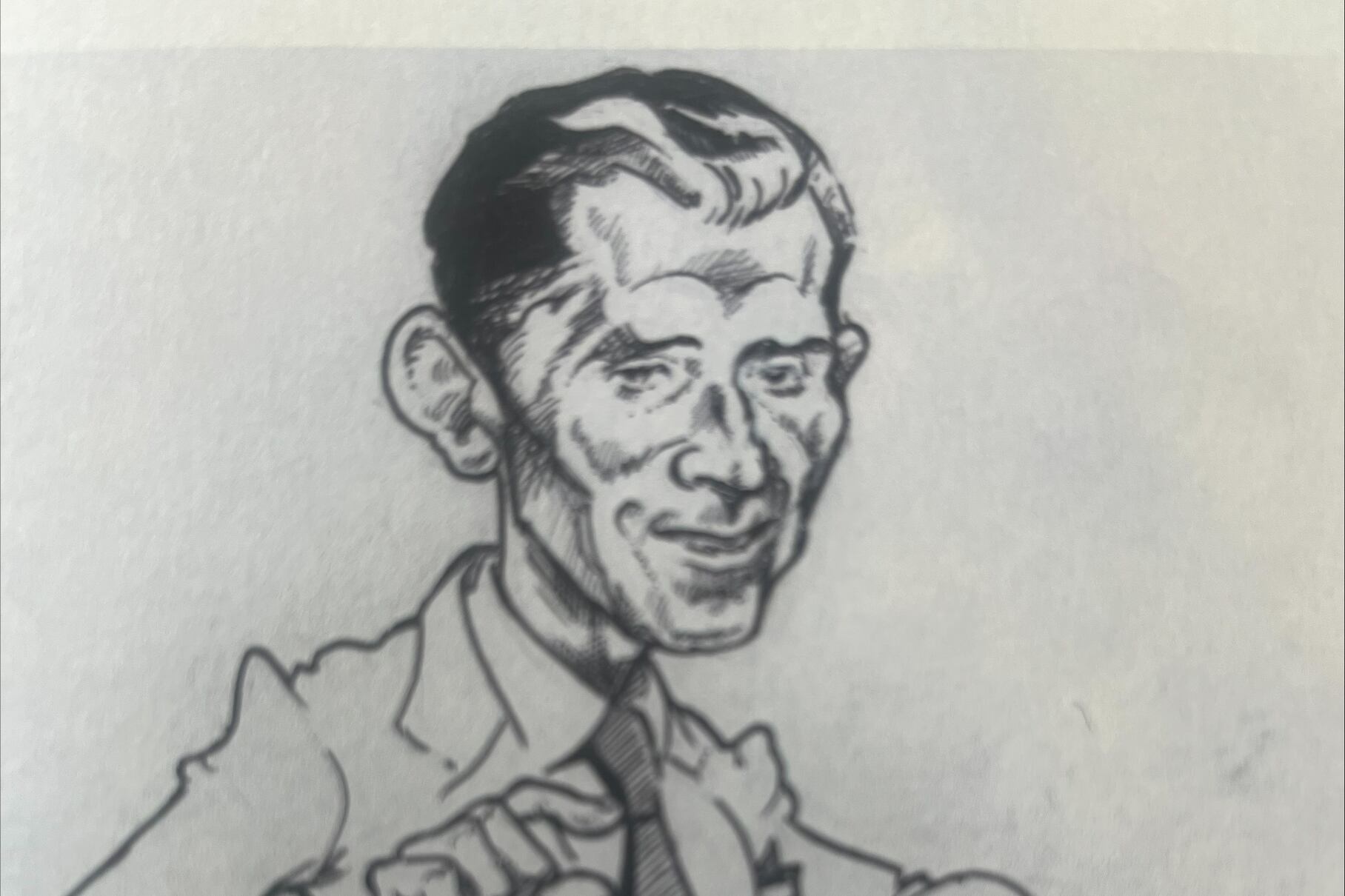
In some respects – apart from counting the steps on your smartphone – there is nothing new about all of this. Early in 1926, the Scottish-born journalist and travel writer Stephen Graham (1884-1975) published The Gentle Art of Tramping, which fired the imagination of generations of walkers and has been reprinted.
Graham wanted to experience the immigration process by travelling the way the poor of Russia and Europe did. In March 1913 his wanderlust took him from London to Liverpool, where he boarded a liner to the US stopping off in Cork. He described Queenstown (now Cobh) in his book With Poor Immigrants to America:
“On Sunday morning when we came upstairs from our stuffy little cabin we were gliding past the green coast of Ireland, and shortly after breakfast-time we entered the beautiful harbour of Queenstown, blue-green, gleaming, and perfect under a bright spring sun. Hawkers came aboard with apples, knotted sticks, and green favours – the day following would be St Patrick’s. And we shipped a score of Irish passengers."
Graham travelled on to New York City, through upstate New York and Pennsylvania, Ohio and Indiana to Chicago, often on foot. He gives a detailed account of coming across immigrants on their way to New York, capturing their hopes and struggles as well as reasons for leaving their homeland. His narrative explored the contrast between traditional rural America and the emerging urbanisation, highlighting diverse encounters on the road.
[ Nine Irish walks packed with historyOpens in new window ]
But he also relished his Irish visits: “Western Ireland and the mountains and coastways of Donegal afford remarkable scope for adventurers with pack on back,” he wrote. Graham was an admirer of the work of Arthur O’Shaughnessy, of Irish descent, saying his poem Ode should be in the Tramp’s Anthology:
“We are the music-makers, / And we are the dreamers of dreams / Wandering by lone sea-breakers /And sitting by desolate streams.”
Graham enjoyed a wide readership on both sides of the Atlantic. His travel books focus on his visits to the capital cities of Europe, central Asia and the Rockies.
However, his best known work remains The Gentle Art of Tramping, filled with practical wisdom on subjects such as what shoes to wear: “old boots bring good luck”; the best clothes to wear: “tweed or cord preferably”; and what to pack: a blanket, tennis shoes, mosquito netting, coffee pot, poetry and brimmed hat. His maxim was: “The less you carry, the more you will see.”
He wrote of the benefits of the outdoors, describing what it means to “breathe in the spirit of the open” or to eat chicken “with a tang of woodsmoke”. Graham’s writing is a mix of wry humour, musings about making the most of life, and the pleasure – and even occasionally the misery – he derives from walking.
“A few months on the road rids us of any pretence and liberates us from the rabbit hutches of civilisation.” The walker, he states, is unburdened of class, wealth, salary or golf handicap, adding: “Everything about you says, ‘Here I am, the tramp: take me as I am or not at all.’” He also asserted that “No one is a trespasser until they are seen”.


