In pictures: Airfield Estate’s ‘life-changing’ course where people can grow

Participants turn their hands to hospitality, tourism and horticulture across the farm and cafe

The Grow program in Dublin's Airfield gives adults with learning difficulties the opportunity to develop skills and enter the workforce. Video: Enda O'Dowd

Independence is still hard won for many in Ireland. Those with disabilities face one of the lowest rates of employment in Europe – 32.6 per cent compared with an EU average of 51.3 per cent.

An ESRI report in 2021 found that people with disabilities “are more than twice as likely to experience poverty and deprivation”. For 22-year-old Rafferty Cross, his divergence was first felt in school where he struggled with a learning disability “to balance all the classes and work”.

Yet he “pulled through, somehow” and has now found himself attending the GROW (Growth, Respect, Opportunity and Wellbeing) programme in Dublin’s Airfield Estate. The 38-acre urban estate was bequeathed to the people of Dublin by two car-loving sisters, Letitia and Naomi Overend, in 1974.

The privileged women were rooted in a sense of altruism and wished for the estate to become a place of education and opportunity for the people of Dublin.

The GROW programme is in keeping with this ethos, where over a few months, 12 participants turn their hands to hospitality, tourism and horticulture across the farm and in the on-site cafe.

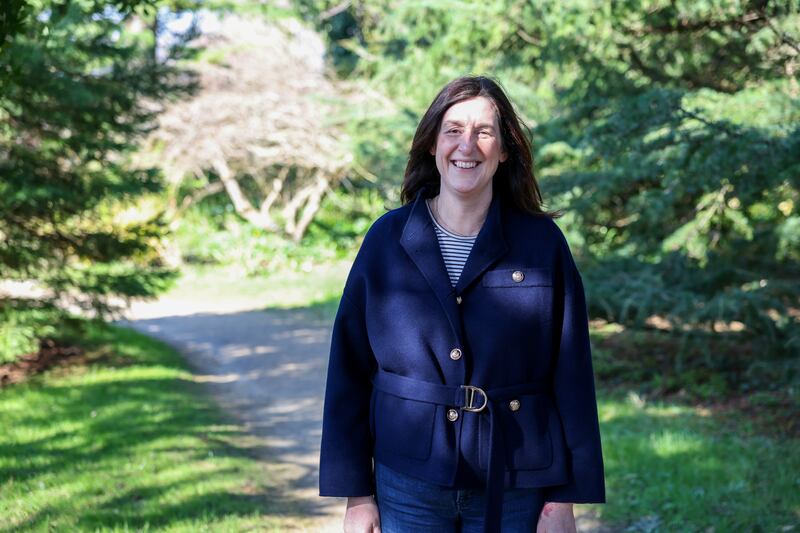
For Airfield’s CEO, Claire Mac Evilly, the challenges the participants overcome often appear simple: “how you get to work on time, how to be part of a team, how to communicate, how to engage with different audiences,” but she believes “the programme’s impact can be life-changing”. She adds that “pretty much all the participants we’ve had over the last few years have gone on to full-time employment”, suggesting it was lack of opportunity that held people back, not lack of ability.
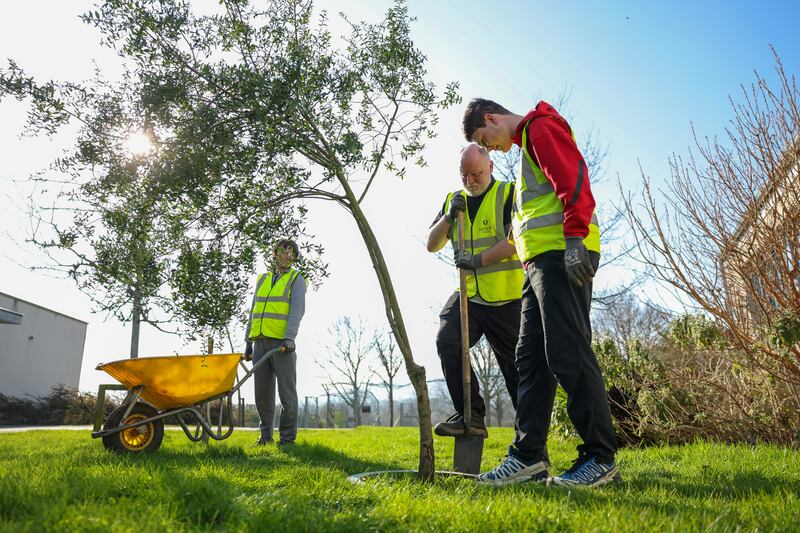
Students with intellectual disabilities in Dublin's Airfield Estate take practical lessons in horticulture and hospitality. Photograph: Enda O'Dowd/ The Irish Times
Rafferty Cross is half way though the course in Airfield Estate that provides opportunities for further employment for those with intellectual disabilities. Photograph: Enda O'Dowd/ The Irish Times
Asa Kearney, 23, from Kiliney, is learning about gardening and hospitality at Airfield. Photograph: Enda O'Dowd/ The Irish Times
Fresh produce is grown on Dublin's Airfield Estate and sold in the on site cafe. Photograph: Enda O'Dowd/ The Irish Times
One of the Jacob's sheep among the flock in the Airfield Estate where food produced is sold in the on site cafe. Photograph: Enda O'Dowd/ The Irish Times
Student Asa Kearney, 23, and head chef, Paul Lee, in the kitchens in Airfield Estate. Photograph: Enda O'Dowd/ The Irish Times
Claire Mac Evilly is the CEO of Airfield Estate in Dublin. Picture: Enda O'Dowd/ The Irish Times