
The heatwave raises all sorts of challenges to our daily routines. Struggling to exercise or know how best to care of your pets? The Irish Times answers some burning questions on how to handle Ireland’s latest hot spell.
Can I still exercise?
You can keep your evening session at the gym but Dr Suzanne Kelly, deputy medical director of the Irish College of GPs, says exercising in the middle of the day is “not a good idea”.
If you’re training for a marathon or a long run, thinking of going for a long walk or tending to your garden, you should do so in the later evening when temperatures cool down.
[ Met Éireann issues heat warning for 12 counties with temperatures set to soarOpens in new window ]
These activities can all cause a form of heat stress during a heatwave.
READ MORE


Kelly says, during a heatwave, your heart rate can increase by 15 per cent compared to exercising in cooler temperatures. In this case “you should stop because your body is stressed” and opt for an evening or early morning workout instead.
Is it safer to work from home?
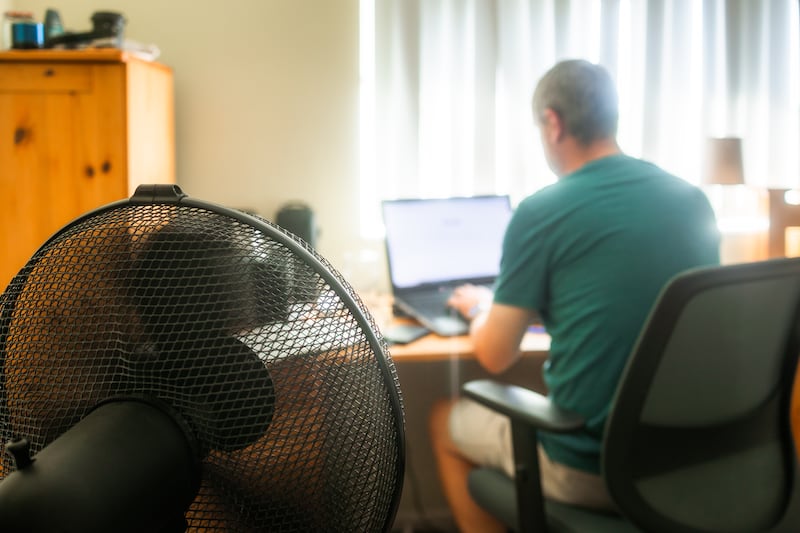
Not necessarily.Damien McCarthy, the managing director of HR consultancy firm HR Buddy, says most modern offices are fitted air conditioning and good ventilation systems and in a lot of cases it’s “the safest place to work”.
McCarthy says keeping the temperature at the recommended 19 to 23 degrees and making sure blinds are fitted to protect from the heat of the sun are important practices for offices. He recommends avoiding “thermostat wars” – battles with colleagues over what everyone considers the “right” temperature – if you can.
As for those working outdoors, McCarthy says employers should engage with their staff on flexible hours in the warm weather. Starting a couple hours earlier than the standard 8am or 9am start time, remaining hydrated and taking breaks during the day can help protect against heat stress.
Can I still go to the pub?
Yes, but be wise about it, health experts say. Your body won’t tolerate alcohol the same as it always does during a heatwave. Drinking can cause dehydration and impairs your judgment.
Alcohol may cause individuals to make decisions such as lying out for long periods in the sun or jumping impulsively into water, Kelly points out.
Whether you’re having a cold beer or glass of wine, it should be accompanied by a glass of water.
Am I entitled to a glass of water in a pub if I’m not a paying customer?
While a bar is not legally entitled to offer free tap water, it is widely accepted as common courtesy.
Eoin Lyons, head of marketing and communications for Vintners Federation of Ireland, says water is likely to be offered by the “vast majority”, but pubs still “retain the legal right to refuse service or apply a charge even during extreme weather conditions”.
Should I be extra careful when swimming?

Roger Sweeney, deputy chief executive and marketing manager of Water Safety Ireland, says the key in warm weather is to take responsibility for enjoying the water safely and to recognise the hazards that increase the risks around water.
Sweeney says a higher level of precaution should be taken when swimming in lakes, rivers and canals as in most cases “you’re not swimming within your depth”.
Swimmers should also assess how safe their local canal or river is. It is recommended never to dive or jump into unknown water that can be home to hidden rocks, submerged objects and changing depths.
Sweeney says cold water shock remains a serious risk, even during hot weather and it is recommended people swim within their depth and do not swim after consuming alcohol.
What should I be eating?
Water-rich foods that don’t require cooking such as cucumbers, avocados, watermelon and tomatoes in salads and side dishes can help keep your body cool and refreshed during warmer temperatures.
Katie O’Sullivan, a dietitian and founder of the mydietitian.ie clinic, says light snacks such as yoghurt with fruit are “packed with electrolytes” – key to replacing losses from sweat during the heatwave.
O’Sullivan says we should be eating “little and often” throughout the day as opposed to larger set meals as to avoid “big gaps” and maintain your blood sugar levels.
When you are sitting down at the table, consider lean protein sources such as grilled fish, chicken or turkey which are easier to digest than heavier cuts of meat during the warm weather.
O’Sullivan advises to eat regularly throughout the day, regularly hydrate with water and milk and avoid excessive consumption of caffeinated drinks like tea, coffee and alcohol during the heatwave as these have a diuretic effect and can cause dehydration.
How can I take care of my pets?
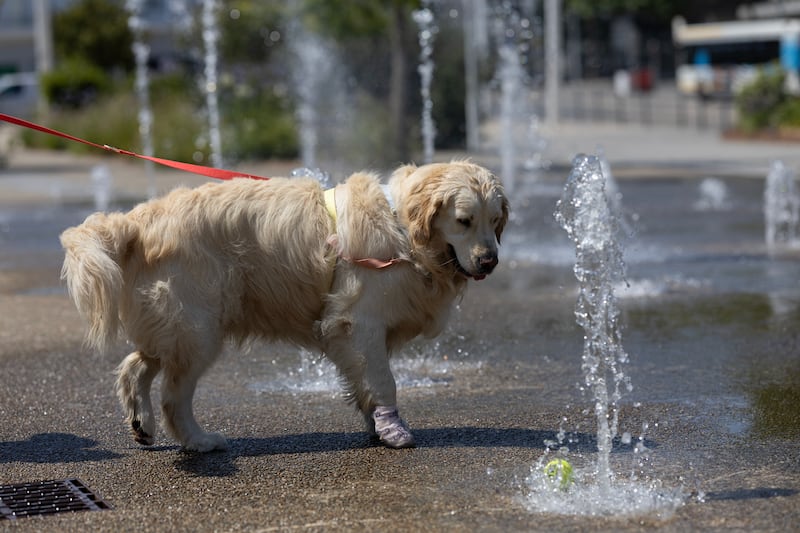
Elise O’Byrne-White, veterinary director of National Society for Prevention of Cruelty to Animals (NSPCA), says the majority of animal heatstroke incidents occur while a person’s pet is exercising.
During a heatwave, owners should “be mindful of how serious the heat is for your pet”, O’Byrne-White says.
The consensus, she says, has always been to walk your pet in the mornings and evenings, but generally at temperatures of around 20 or 21 degrees, at any time you should consider your pet’s tolerance to the heat. Temperatures of 25 degrees and above are too hot for exercising pets.
Owners should also avoid putting ice cold water or towels over their pets, and avoid leaving them at home unaccompanied.
Overall, owners should take an “active approach to the heat” and be aware “extreme” panting, red gums or vomiting can be signs of overheating.
Is there anything I can do to keep my bedroom cool?
Bedrooms upstairs tend to hold on to heat during the day. Kelly says when it’s cool in the morning, you should air out your room and close the blinds to keep the cold air in.
Kelly says a great trick she saw recently was putting a bowl of ice on your bedroom floor to absorb the heat in the room. Alternatively, a hot water bottle filled with ice cold water placed under your preferably cotton sheets can help keep your room a little cooler each night.
Who should I keep an eye on during the intense heat?
The very young and the elderly are particularly vulnerable to heat. Kelly says older people may not feel thirsty, may forget to sit in the shade and may not wear appropriate attire so it’s important to check in on them.
Making sure children are protected against the sun and keeping them cool with the things they “really enjoy” such as ice pops and cold drinks will make the heat more bearable.
For those frequently taking medication, Kelly says it’s important to remember to keep creams, liquids or injections away from the sun, so they stay at the standard 25 degrees recommended temperature.


