
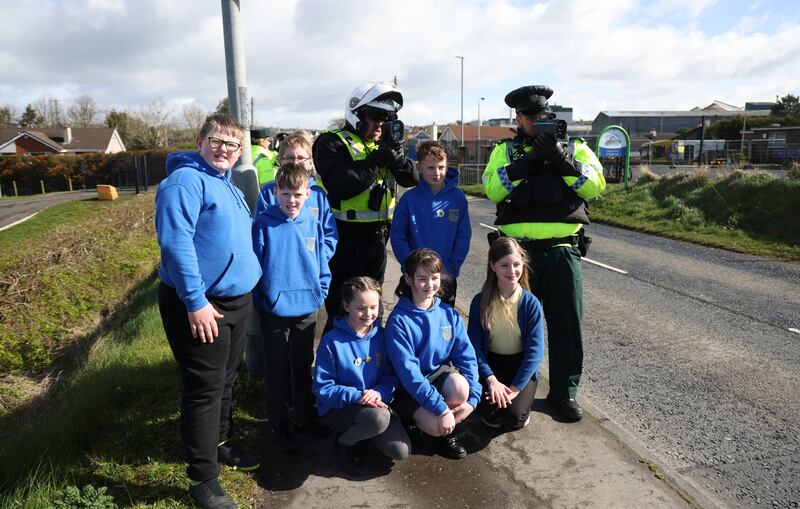
On the road outside Artigarvan Primary School in Co Tyrone, two police officers have their speed guns poised and ready. Inside, the “Kids’ Court” is waiting.
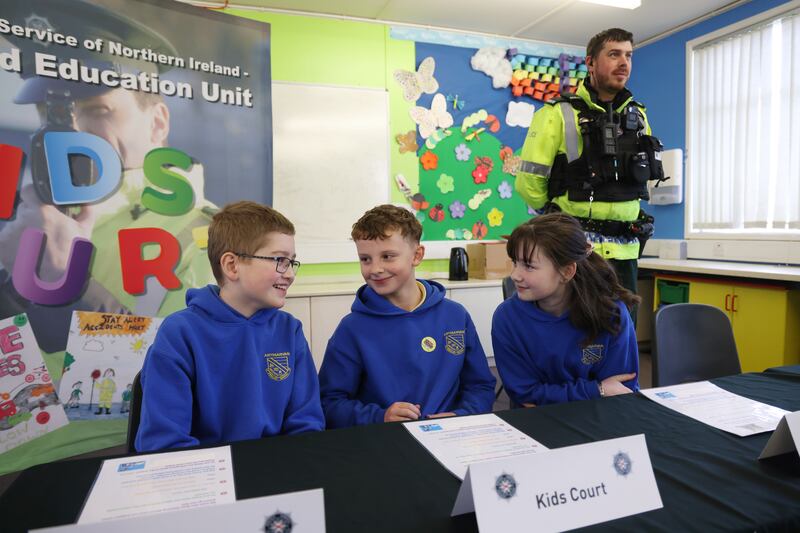
In the classroom, a single, empty chair faces a row of 11-year-old pupils at a long table, stern-faced as judges, ready to hold speeding drivers to account.
The Police Service of Northern Ireland (PSNI) project, which is running in primary schools across Northern Ireland in March and April, aims to change behaviours around speeding by bringing people face to face with the potential consequences.
Any drivers caught breaking the speed limit outside the school will be given a choice – accept three penalty points or come inside and answer the children’s questions.
READ MORE


What if the police don’t catch anyone speeding, The Irish Times asks neighbourhood police officer Lorraine Bull. “Oh, we’ll catch people,” she replies.
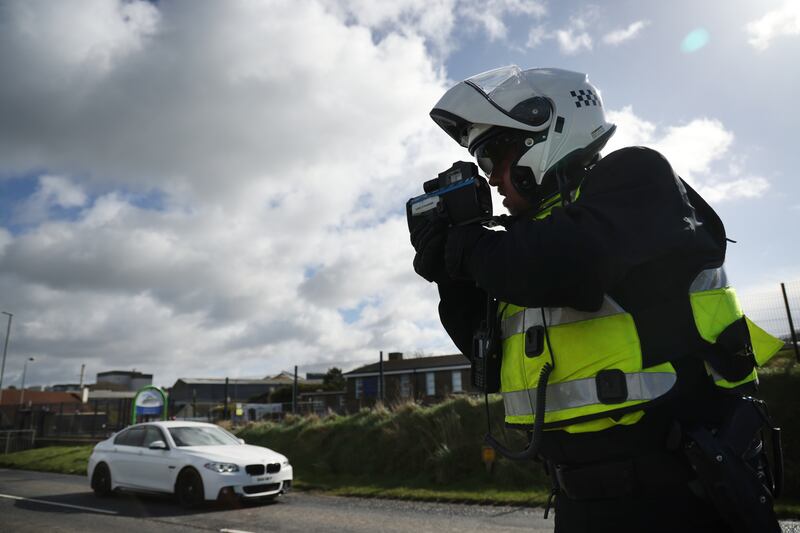
She is right. Only a few minutes into the exercise, the first speeding driver is brought before the court.
The children quiz him. Did he realise he was going too fast? Why was he speeding? Did he realise he could have killed one of them?
“Yes,” he replies. Will he speed again in the future? “No.”
“Sitting in front of a number of children brings the impact home of speeding,” says PSNI superintendent John Wilson. “We don’t treat speeding seriously enough. We see it as almost acceptable, when it isn’t.
“Having a number of children speak to you and say, ‘do you realise you could potentially have struck one of us and killed one of us’ is something that’s far more hard-hitting than anything I could say.
“The impact of that, for any motorist who’s been caught speeding, will stay with people for a very long time, and it’s a chance also for the kids themselves to learn about the dangers, to have road awareness, and I’m sure they’ll go home to their parents and speak to them about it as well.”
“It’s good example for us children and adults, and it’s good fun for us,” 11-year-old Layla explains. “But it’s also very serious, knowing some people can end up either in the hospital or worse.
“It’s a good example to not speed, because it’s not only our lives in danger, it’s yours as well.”
“I think this will help the school,” says her classmate Eva, also 11. “People who come into the Kids’ Court will slow down, and it will be more safer for the kids and parents to walk across the road.”
It actually puts you in a spot when you’re speaking to kids ... we can all speed from time to time, and it’s that lack of attention that can cause accidents
— Arron Cooley
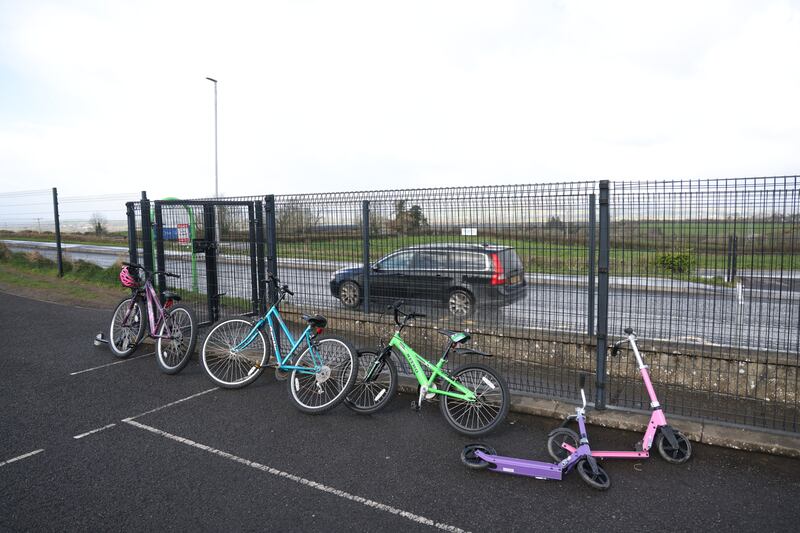
At Artigarvan Primary School, the pupils are well aware of those dangers. On the edge of the village – just before the speed limit increases from 30mph (48.2km/h) to 60mph (96.5km/h) – the school building is on one side of a busy road and its car park on the other.
In the past, the school crossing warden has fitted a body-worn camera to her uniform, just in case.
“We’re fearful for our children crossing the road,” explains Ethna Wiley, a member of the school’s board of governors. “Hopefully the initiative will encourage people to slow down when they’re going through our village and past our school.
“With the number of road deaths there have been over the last while on our roads throughout Northern Ireland, it’s a very serious issue, so we’re trying to raise awareness and trying to get them to slow down for our children.”
So far this year 19 people have been killed on Northern Ireland’s roads, compared to 10 by this time last year and in 2024.
“That’s an absolutely shocking figure, with a number of families and communities devastated,” says Wilson.
[ When will we declare Ireland’s road-death toll the public health crisis it is?Opens in new window ]
He cites another figure: last year there were more than 80,000 detections for speeding, which “goes to show us that right across all roads in Northern Ireland, people aren’t treating the roads with the respect that they need to treat it with”.
“Driving with excess speed reduces your braking distance, your reaction time, and can cause serious injury or fatality.”
Outside the Kids’ Court, a queue has formed; in the half-hour operation, nine drivers have been caught speeding.
Among them is Graeme Quinn, from Letterkenny, Co Donegal. “I thought it was brilliant,” he says. “This is quite new to me and I think it’s fantastic, probably all schools should be doing it.
“When you hear it coming from a child’s mouth it hits a bit harder,” he says; the lesson he will take away is to “slow down, be more aware on the road”.
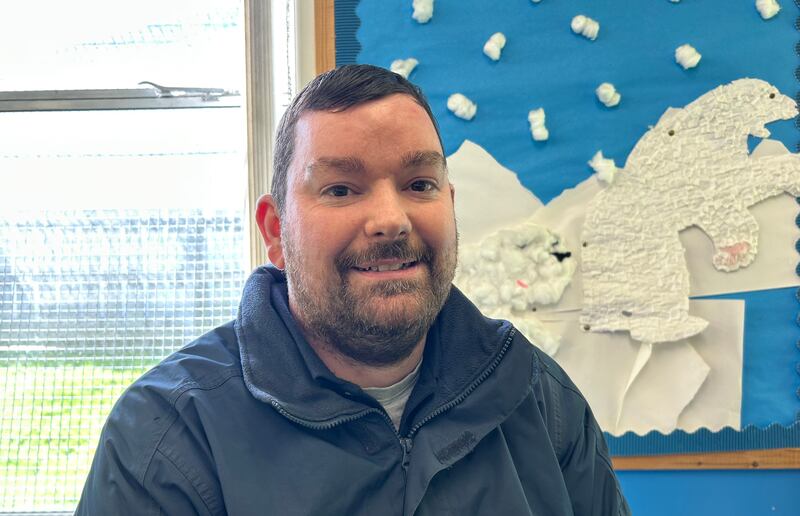
“It actually puts you in a spot when you’re speaking to kids and realising ... we can all speed from time to time, and it’s that lack of attention that can cause accidents,” says another of those drivers, Arron Cooley.
“I’ve got children myself, so I’m normally always careful around schools, and like I said [in the Kids’ Court] I’ve been driving for 19 years and I’ve got no points, I’ve a clean licence.
“I was rushing because I’m doing a renovation, I’ve got builders that need materials.
“When you’re driving you always have to think about what you’re doing, no matter what’s going on in your life, because people’s lives are at risk.”


