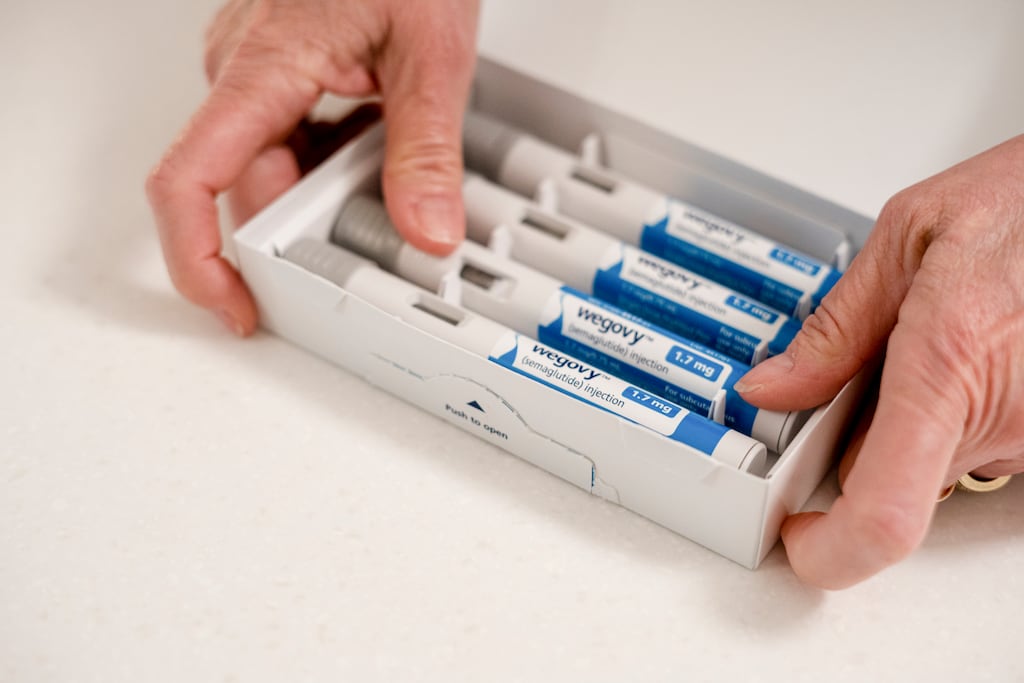

Ever since the launch of GLP-1 drugs such as semaglutide (Ozempic/Wegovy) - which help control blood sugar and promote weight loss - the landscape around weight loss has changed utterly.
The field has gained new depth from two recent developments: the publication late last year of World Health Organisation (WHO) guidance on the use of GLP-1 and related drugs, and emerging research comparing bariatric surgery with these novel weight-loss drugs.
Being overweight or obese increases a person’s risk of a range of diseases, including heart disease, stroke, various types of cancer, type 2 diabetes, osteoarthritis, sleep apnoea and depression. Having treatments that could potentially reverse the inexorable rise in worldwide obesity levels could change the face of public health.
The WHO guideline marks a “groundbreaking” shift in the way the agency has historically framed obesity treatment, according to Dr Francesca Celletti, the scientist who led the development of the guideline. Previously, lifestyle changes such as diet and exercise were the main focus of treatment for a condition that affects more than one billion people globally.
READ MORE


Now, the WHO endorses the use of GLP-1 drugs. “GLP-1s are the first efficacious [medication] for obesity and for a population that has been neglected by society and by the health system,” Celletti told the Journal of the American Medical Association. “The fact that we have new science to address the neglected needs and to reboot the system is an amazing opportunity for the world that we shouldn’t miss.”
As one might expect, the guideline is cautious. It emphasises the need to offer patients behavioural interventions alongside the prescription of GLP-1 drugs to help guide their weight loss. It also acknowledges an evidence gap: “First of all, we don’t know if this is a lifelong therapy,” Celletti said. “The long-term use and safety of the medicine are not actually known.”
Referring to known adverse events with the drugs, such as nausea, vomiting and diarrhoea, and the potential risks of more serious side effects like acute pancreatitis, she urged caution. “If hundreds of millions of people are receiving this medicine in the next 10 years, even the most rare of adverse effects can become a considerable absolute number,” she said. “The current safety data is very inconclusive. We need many more studies.”
But alongside the caution there is excitement about the potential benefits of GLP-1 and related drugs. Experts point to emerging evidence of the impact of the medicines on a number of potential obesity-related complications. The hope is that successfully treating obesity will reverse a wide range of metabolic diseases.
With all the hype surrounding novel drug treatments for obesity, where does this leave bariatric surgery? It still has a role, research suggests, especially in producing significant and durable weight loss. One study found that surgery achieved about five times more weight loss than weekly injections of semaglutide or tirzepatide at the end of a two-year follow-up. With bariatric surgery, patients can average 30 to 35 per cent of total body weight loss in the first year, versus 15 to 20 per cent for those taking GLP-1 medications.
There is a consensus emerging that surgery is most appropriate for people with severe obesity for whom lifestyle interventions and weight-loss drugs are not as effective. And the health benefits of bariatric surgery are more immediate: up to 60 per cent of patients with diabetes who have surgery go into remission.
But back to the WHO guideline – the most powerful message it contains, in my view, is the framing of obesity as a complex, chronic, relapsing disease that requires ongoing and lifelong care. This reframing officially places obesity in the same category as conditions such as hypertension and diabetes that relapse when treatment is discontinued.
I believe that by clearly defining obesity as a chronic disease, the guidance will help reverse stigma around obesity and its care within our health system.


