
Archaeologists working in construction are seeking a Government backed order for a minimum wage in a sector where the average salary is currently put at about €35,000 a year.
A branch of the Unite trade union is co-ordinating the push for a Sectoral Employment Order (SEO) under which the Labour Court would set the basic rate of pay for the up to 300 archaeologists employed carrying out surveys, archaeological impact assessments, excavations and other assignments for developers on big constructions sites.
The union is understood to represent most of those who would be affected.
Most work for a handful of specialist contractors but about 40 companies operate in the area, employing archaeologists on short or long-term contracts and hiring them out for as long as there is work to be done on a particular development.
READ MORE


Pay and conditions vary, the union says, but a recent assessment of recruitment advertisements for the roles put the average starting salary over the past two years at €681.55 per week, about €3.30 per hour above the national minimum wage.
Almost all of the archaeologists working in the sector, about 99 per cent, have undergraduate degrees and three quarters are said to have post graduate qualifications.
If successful in having an SEO established, they are hoping to have the minimum rate increased to about €22.50 an hour (about €45,600 annually), a figure that is loosely based on the pay of mechanical craft workers who have come through the apprenticeship system rather than universities.
Though a big source of employment for archaeology graduates, employment in the sector is precarious, heavily dependent on the fortunes of the construction industry as was demonstrated in the economic crash.
There were almost 1,700 archaeologists working on sites of one type or another before the crash in 2007, with numbers boosted by the significant number of big infrastructural projects under way at the time, including new motorways.
A few years later the number was down to about 80, says James Kyle, an archaeologist who works as a project manager for one of the contracting companies.
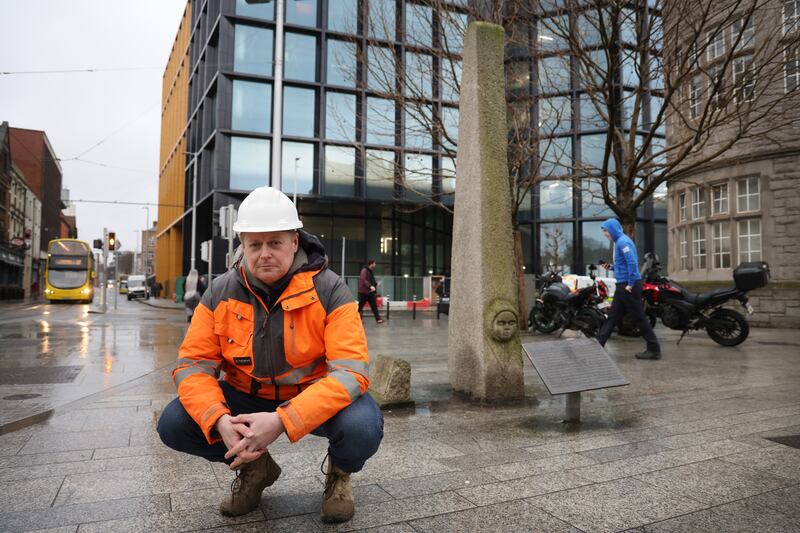
Kyle is a board member of the Institute of Archaeologists of Ireland (IAI) and chairs the branch of Unite pushing for the SEO.
Anything from one to a dozen might work on a private office or apartment development but more than 200 were employed at one stage on the Carlow to Kilkenny portion of the M9 alone with more than 100 historic sites examined or excavated during its construction.
About 100 archaeologists are currently working on the Limerick to Foynes road project and with the Government committing to a big increase in spending on infrastructure, the number of archaeologists required may soon substantially increase again.
“I can’t think of any other job where numbers were cut by 95 per cent,” says Kyle, who spent time in Australia before returning to work here. Many others had no option but to retrain and leave the sector.
“A lot of highly skilled individuals were bled out of the profession ... and those who were left were paid a pittance for what they were doing, many of them were getting the bare minimum wage,” he says.
Things have improved, slightly, says Kyle. While companies, like the one he works for provide good pay and conditions, many others acknowledge that current rates are not sustainable but express concerns about being undercut in a competitive market if they make improvements.
This, says Kyle, is the reason a basic rate of pay needs to be set from outside, something he believes many employers will actually support.
If not, the sector will struggle to attract graduates if and when construction of road and rail projects is ramped up, he says.
Kyle suggests there is no shortage of qualified people wanting the work which he says can be hugely satisfying but current rates of pay and the lack of prospects for progression mean most seek careers elsewhere.
With more than 25 years of experience, Kyle has worked on a long list of projects.
Though many ultimately involve the destruction of historical remains, he says the process of preservation by record, meticulously detailing the remains of previous buildings, streets and other items of historical importance, is significant work that can be deeply rewarding.
“It’s important to have as full of a record as possible,” he says. Many of the discoveries made are now recorded in such detail that they could be replicated in the future if there was a desire to do so.
Developers have become more open to the process and often seek to incorporate aspects into the finished building or design.
The Lidl branch on Aungier Street in Dublin includes some of the remains of an 11th century house and are visible to shoppers under glass panels in the floor.
The huge office and residential development on Tara, Townsend and Hawkins Streets, where Kyle worked for months with a team of archaeologists excavating a church and wider site, parts of which dated back to the mid 17th century, will also include a display based on some of what was found.
Not every site is quite as rewarding though, he admits. “I was on the Corrib pipeline site in Mayo for three years,” he says.
“That was one of the great examples of one where we found nothing.”


