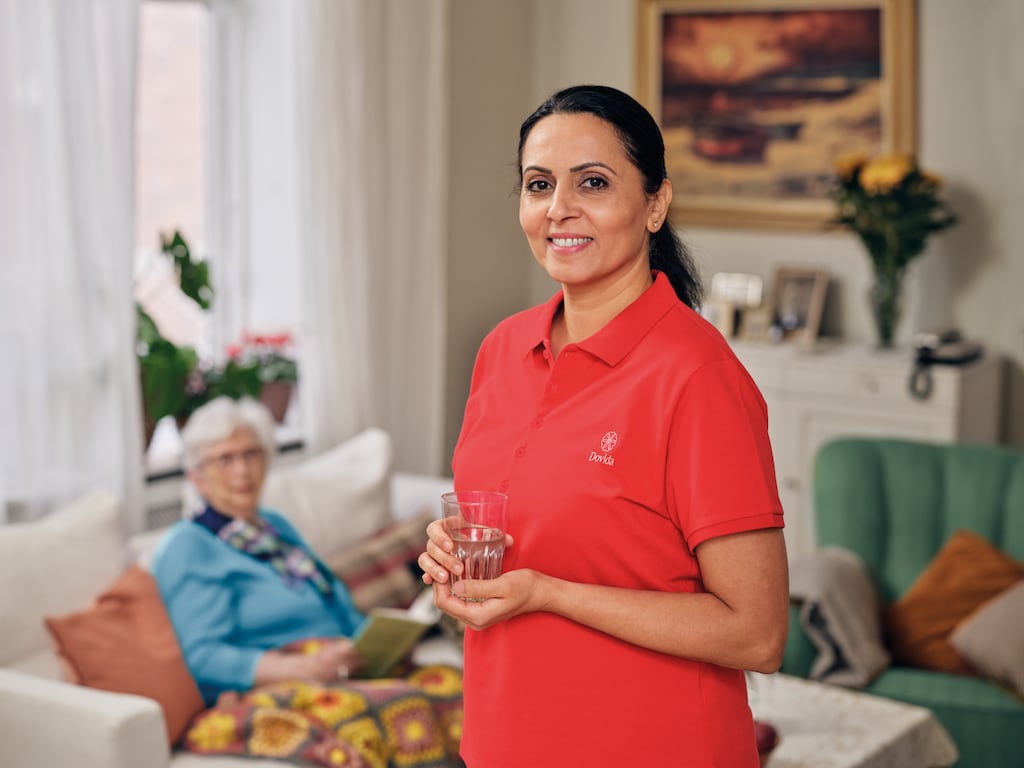
Home care provider Dovida is aiming to create up to 500 jobs to address the “growing need” for home care in its latest recruitment drive.
Dovida, which provides at-home care to several thousand older and disabled people in Ireland, is looking to add between 400 and 500 caregivers to its existing workforce of more than 4,000 staff in 2026.
The new roles to be created this year will be for caregivers, with any back of house positions to be filled separately.
“The need for care and support in the home is growing as our society ages, and personalised home support services for people of all ages and abilities are preferred to residential care,” said the chief executive of Dovida Ireland, Shane Jennings.
READ MORE


Dovida, which is headquartered in Switzerland, agreed a deal to sell a majority share to French investment firm Ardian in mid-2025 and operates in six countries.
The company said employees will be allowed to “choose their hours around what best suits their lifestyle” with part-time, full-time and fixed-hour contracts with a minimum of 25 hours per week available.
Dovida, formerly known as Home Instead, specified that those in receipt of social welfare can apply to work a set number of hours, depending on the type of support they receive, and the company can also offer positions to those on General Work Permits.
“People who need support from Dovida want to maintain autonomy over their life, to experience belonging, pursue happiness and find purpose,” said Shannon Lynch, the talent acquisition manager at Dovida Ireland.
The care sector has faced issues in hiring and filling positions. Just eight months ago, Dovida launched a recruitment drive aiming to hire as many as 1,500 staff by the end of 2025. That came following a recruitment drive for 1,000 carers in August 2024.
A HSE analysis pointed to an “acute shortage” of care workers against a background of rising demand for care, The Irish Times reported last month, with just 1.8 per cent growth in the number of care workers and home carers between 2017 and 2022 – with 67,300 staff employed at the end of 2022.
The report noted that “replacement demand alone will be a challenge even before looking at the increased demand for these services with our ageing demographics”.


