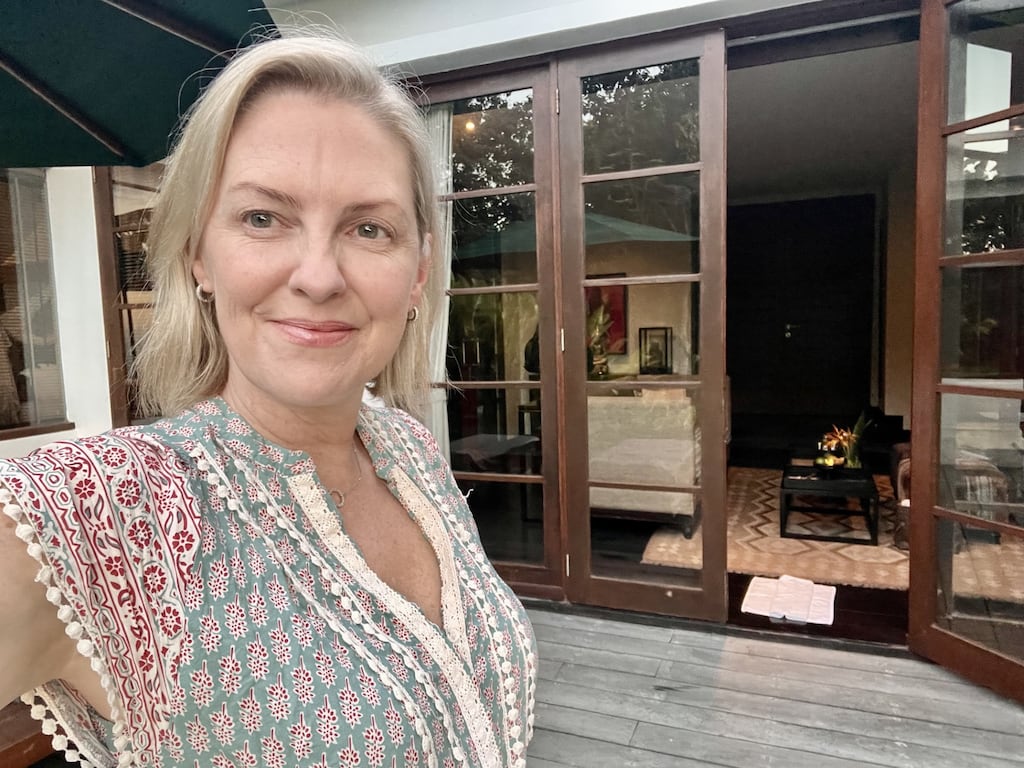

Australia’s social media ban for children aged under 16 is a “great idea” but the “execution is not”, says New South Wales resident and mother Belinda O’Dea.
“Some of my kids’ accounts were deleted, some weren’t. There is no rhyme or reason,” the Sligo native says.
For one account, O’Dea’s daughter (15) received a pop-up asking if she wanted to keep her account. Predictably, she and her friends “all said yes”.
Her “baby-faced” 13-year-old son had his Snapchat account deleted because the app used a selfie to judge his age, while other older-looking friends did not.
READ MORE


Australia’s December 10th move is being watched by regulators around the world.
It’s a “real boomer solution” with a “big element of being seen to do something”, says IT worker O’Dea.
She emphasises it is an “account ban” rather than a total social media ban, bringing its own problems.
“So now the algorithm will feed them any old rubbish instead of what they are interested in.”
Ten of the largest platforms including TikTok, Snapchat, YouTube, Instagram and Facebook were ordered to block children or face fines of up to A$49.5 million (€28 million).
O’Dea sees major problems with the on-the-ground implementation of the “rushed out” measure. Many kids will have a few TikTok accounts or will have given their accounts random dates of birth, she says.

Although she agrees with the government not bringing in digital IDs for children, it has not worked properly with social media providers on solutions, she says.
Many parents who have not grown up with social media do not have enough oversight of their children’s usage, O’Dea says.
She compares it to the 1920s prohibition on alcohol and speakeasies, saying banning something will encourage more to come.
Nicola Conville says her daughter (15) and friends have “all found workarounds” such as VPNs or using older friends’ faces to verify apps.
[ Jennifer O'Connell: It’s time to ban the toxic teen popularity counterOpens in new window ]
Her daughter was “a little nervous” at first but all her friends were “in the same boat so they found a way around it together”.
The Sydney-based Dublin native is not in favour and helped her daughter to bypass the ban.
“I grew up in an estate where all the kids would see each other up and down the street. But we’re spread out and it’s how my children communicate with their friends,” she says.
“This is how they chat. They call and have their phones on loudspeaker while they are playing games. It’s a big social thing.”
Her son (12) has not yet been affected because he uses Discord, an instant messenger app not yet covered by the ban. The government may add more services to the list if children migrate en masse.
Conville says: “I don’t need the government to tell me how to parent.”
Other parents welcome the ban as it helps to bypass teenage Fomo (fear of missing out). “No child wants to be different or miss out,” says Breda Crowley from Bandon, Co Cork.
There is power in its widespread nature, the mother of three teenage boys says. “Is it bad letting the government parent our kids? It’s impossible for us to police it.”
However, Crowley says too much is being left to tech companies to enforce.
Her 12-year-old son’s social media apps still work on his phone. He’s “not that bothered” and has planned workarounds. “If it kicks in he will go on Lemon8,” she says of the social media app from TikTok’s owner, currently not covered by the ban.
She has noticed social media can leave her son “angry for an hour”. However, she has restrictions in place and her children love the outdoor life offered in their Brisbane neighbourhood, including golf, camping, fishing and dirt biking.
But as kids begin summer holidays in the “skin cancer capital of the world”, the danger of letting her red-haired, pale-skinned son outside all the time is far more real than social media, she says.
“We lost friends from it [skin cancer]. They are the things I worry about [more].”

The ban came in just as the schools began to wind down for summer break, but New South Wales high school teacher Finbarr McCarthy says it is “just wonderful”.
“For every benefit provided by social media, there are 1,000 harmful effects,” the Dubliner says.
McCarthy has taught in the same school since 2000, before the mobile phone age.
“It’s long overdue,” he says. “School should be a place where kids can just be kids, free from the electronic sewer.”
“They have no capacity for self-regulation” but do have “built-in anti-unfairness” and were “quite happy” when all phones were banned in schools in New South Wales in 2023.
“The biggest sense is missing out, if everyone has the same conditions it’s extraordinary how amendable they are.”
The school phone ban brought a “huge change in behaviour” and he hopes this will be similar.
He also hopes it will reduce the hours of time schools have to spend on social media bullying cases.
Although he knows some students are getting around it, he says that even if two-thirds of students in school have social media activity cut, it will bring positive benefits for all.

Will Australia’s social media ban for children come to Ireland?
- Are you Irish and living in another country? Would you like to share your experience with Irish Times Abroad You can use the form, or email abroad@irishtimes.com
- Follow us on Instagram to keep up with the latest
- Sign up to The Irish Times Abroad newsletter for Irish-connected people around the world.


