US president Donald Trump has announced a 10-day ceasefire in Lebanon to be followed next week by a meeting between the Israeli and Lebanese leaders, in a deal that it is hoped will bring progress towards a peace agreement between the US and Iran.
In posts on Truth Social, Trump claimed credit, saying both Lebanese president Joseph Aoun and Israeli prime minister Binyamin Netanyahu had “excellent conversations” with him, and that he would invite them to the White House soon.
“Both sides want to see PEACE, and I believe that will happen, quickly!”
The ceasefire came into force at 10pm Irish time, though many specifics remained unclear, including whether the Israeli military will withdraw from areas it is occupying, and what will happen after the 10 days is up.
READ MORE


Contacted for comment, a Hizbullah spokesman said any ceasefire “must not allow the Israeli enemy any freedom of movement” and that the “existence of Israeli occupation on our land grants Lebanon and its people the right to resist”.
At least 1.2 million people in Lebanon were displaced by the latest all-out war, the United Nations has said. It is not clear if they will all be able to return home.
Israeli officials – who have the stated aim of making northern Israel safe for its citizens – previously said they planned to occupy southern Lebanon up to the Litani river.
Lebanese speaker of parliament Nabih Berri issued a statement after the ceasefire announcement asking people not to return home until “matters and developments become clear”.
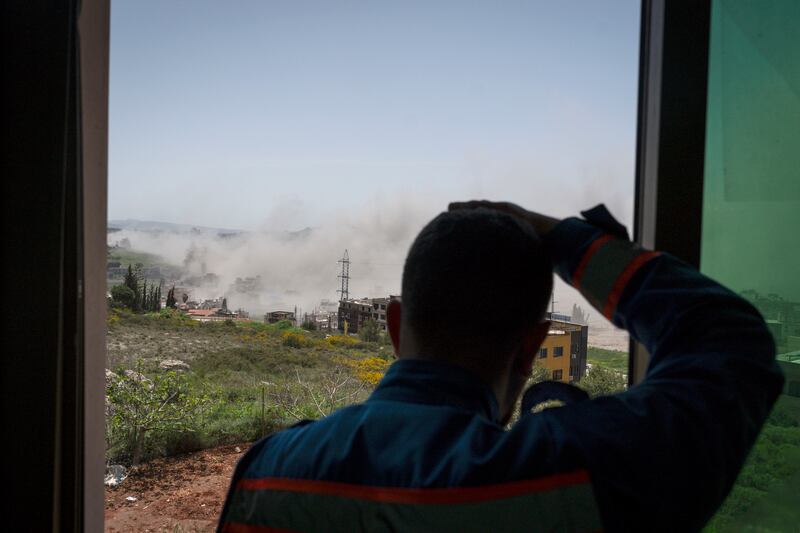

While Israel says its war is against Iranian-backed Hizbullah alone, its military has been accused of carrying out war crimes in Lebanon similar to those documented in Gaza, such as targeting civilians – including medics and journalists – as well as civilian infrastructure.
Meanwhile, some Gulf and European leaders reportedly believe a US-Iran peace deal will take about six months to be agreed, according to officials from the regions familiar with the matter.
[ Trump collides with reality as Iran war fails to bend to his narrativeOpens in new window ]
Bloomberg reported on Thursday that the leaders want the Strait of Hormuz opened immediately to restore energy flows and are warning in private that a global food crisis may develop if that does not happen by next month.