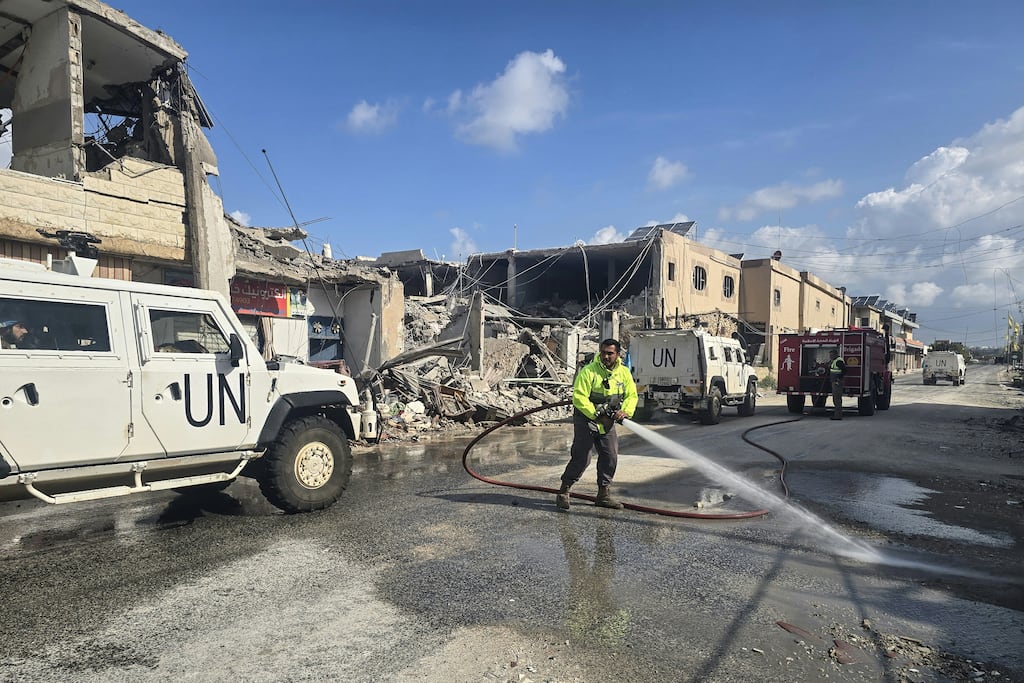
The United Nations Security Council held an emergency meeting on Tuesday to condemn deadly attacks on UN peacekeepers in south Lebanon, with senior UN officials and diplomats calling for Israel and Hizbullah to de-escalate.
Jean-Pierre Lacroix, the UN’s peacekeeping chief, told the Security Council that “the situation has dangerously deteriorated with the ongoing escalation between Hizbullah and Israel across the Blue Line and beyond,” referring to the demarcation line dividing Israel and Lebanon and the Golan Heights.
He added that peacekeepers had seen a “worrying increase in denials of freedom of movement and aggressive behaviour”.
Two Indonesian peacekeepers from the UN’s interim force in Lebanon were killed on Monday, and two other peacekeepers were injured, one severely, when a roadside explosive struck their convoy, destroying their UN-marked vehicle, Lacroix said.
It was the second deadly attack in just 24 hours. On Sunday, a projectile landed in a UN outpost, killing one Indonesian peacekeeper and critically injuring another. The UN said it was investigating the attacks to determine the origin.
Lebanon’s ambassador to the UN, Ahmad Arafa, called the attacks “barbaric and irresponsible”, and said they must stop regardless of who was responsible. “The attacks on peacekeepers are attacks on this council itself. They undermine its reputation and credibility before the peoples of the world.”
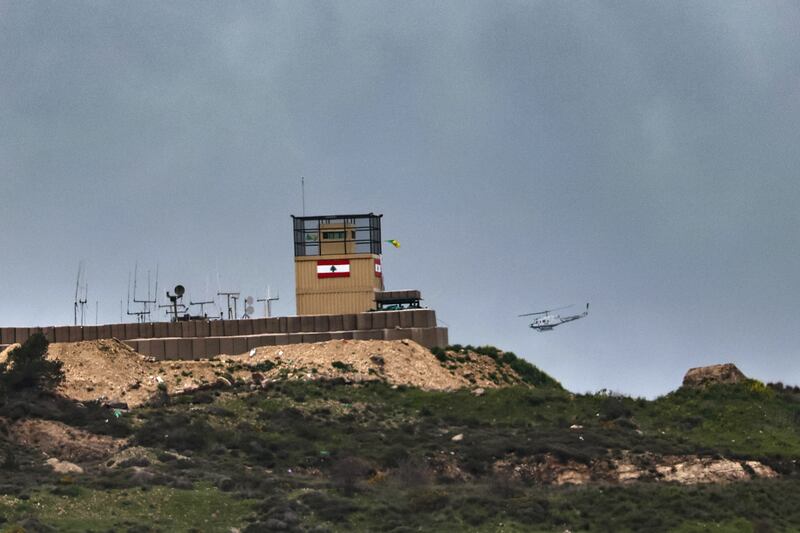
The deadly incidents come as the Israeli military has intensified air strikes and its land incursion into southern Lebanon, extending about 11km into the country, and is in control of areas immediately north of the Blue Line, according to the UN. Hizbullah and Israel’s military have been exchanging fire and clashing in the area.
Indonesia’s ambassador to the Security Council, Umar Hadi, said his nation was feeling grief, anger and frustration about the loss of three of its service members and the wounding of five others. He said the fallen peacekeepers were in their 20s. “These peacekeepers fell and wounded while carrying out a mandate entrusted to them by this very council.”
Hadi blamed the incidents on Israel, saying the hostilities in south Lebanon stemmed from “repeated incursions by the Israeli military into the territory of Lebanon”.
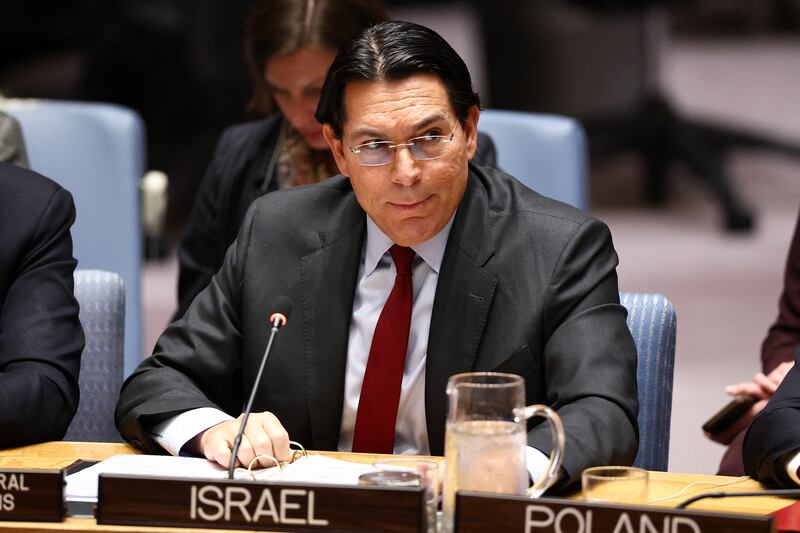
Israel’s ambassador, Danny Danon, told the Security Council that Hizbullah was responsible for both incidents, the projectile and the roadside bomb, that killed the peacekeepers.
Secretary general António Guterres condemned the attacks and said in a statement on Sunday that all parties must respect international law protecting peacekeepers and warned that violations could be prosecuted as war crimes. UN peacekeepers operate under the Security Council’s mandate.
This article originally appeared in The New York Times.
2026 The New York Times Company


