A trend of afternoon socialising that was popularised when curfews were imposed during the Covid-19 pandemic has become a permanent feature of Spanish life that is upending its tradition of all-night partying.
The practice of “tardeo” means going out to socialise in the afternoon and being tucked up in bed before midnight.
“Tardeo is like going out to eat and to party, but in the day. Instead of going out at night and being very tired the next day, at around 11pm you already go home and go to bed,” said Adrian (34) from Barcelona, who was enjoying an early afternoon drink on a square with friends.
“I think since the pandemic, since people weren’t allowed go out at night, they went out in the day and realised it was a good idea.”
READ MORE


The term was reputedly coined in the southeastern city of Albacete in the 1990s, when a group of friends running a bar began opening at 4pm to offer afternoon drinks and a snack.
This went against traditional practices of bars and restaurants closing after lunch for the siesta period until the start of evening service at about 8pm, while nightclubs would typically only open at midnight, with the real night out beginning only from 1am.
The much earlier tardeo was transformed from a minor regional phenomenon into a national practice by the Covid-19 pandemic, when the imposition of curfews at 10-11pm forced people to adjust and popularised the concept across Spain.
A sudden increase of use of the noun “tardeo” and related verb “tardear” in 2021 prompted a clarification from the Fundéu, a foundation that promotes the correct use of Spanish, which suggested the words could be italicised or put in quotation marks since this was a “new meaning” that might not be familiar to readers.

“These terms have become widespread, especially in Colombia and Spain, and describe the activity of spending the afternoon having drinks and tapas or engaging in other leisure activities, so that leisure time begins earlier and doesn’t extend into the evening,” the foundation wrote.
It’s now hard to imagine such an introduction being needed as tardeo has become “so normalised” and “so ingrained in our daily lives”, news site Xataka recently wrote.
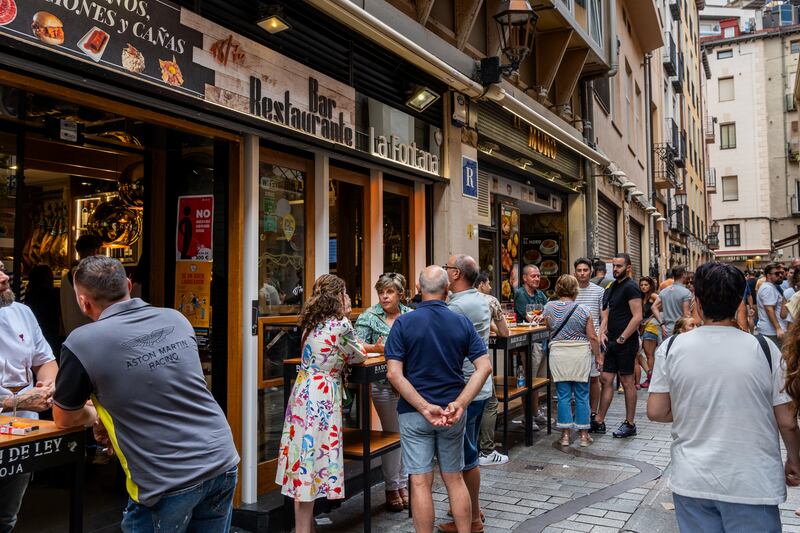
Bars offer afternoon tardeo specials, beach venues hold mass tardeo gatherings and there are now events businesses entirely dedicated to hosting and promoting tardeos. These are often in outdoor locations, true to their pandemic roots.
“Previously, during the siesta time there might not have been many people around, and this is a good way of promoting what we have,” said Francisco, manager of a Barcelona bar that offers a special tardeo offer of €7 for a drink and a plate of tapas.
“It grabs your attention. Loads of bars are doing it now.”
Tardeo saw an “unprecedented boom” in 2025, doubling in popularity compared to the previous year and compensating for a simultaneous decrease in later nightlife, according to a sectoral survey by consultancy UVE.
A study by the EAE business school found tardeo was reshaping business opening hours in Spain and driving an increase in popularity of non-alcoholic drinks, as the “earlier start to the evening implies a change in consumption patterns and a more gradual approach to alcohol intake”.
The trend is popular among the middle-aged, keen to avoid the exhaustion of the morning after the night before, but is also hugely popular among a younger generation who are more cautious about alcohol intake and health.
“Increasingly, Generation Z and Millennials are starting their leisure time earlier, and tardeo is becoming a popular way for anyone who wants to spend time with friends and socialise,” the study found.