

Changing career in midlife felt hugely daunting to Vera Quinlan. Like many of us, she was juggling work, family and financial commitments. Perhaps it would be easier, ultimately, to stay where she was?
“Deciding to make it happen became one of the most energising and empowering choices I’ve made in recent years,” says Quinlan.
“Very few of us stay in the same job – or even the same field – for our entire working lives. Sometimes we outgrow a role; sometimes an industry shifts; and sometimes we simply need a new challenge. Whatever the motivation, a career change is entirely achievable with the right approach.”
Dr Mary Collins, a chartered psychologist with her own career-coaching practice and senior executive development specialist at RCSI, agrees that career pivots are happening more and more.
READ MORE



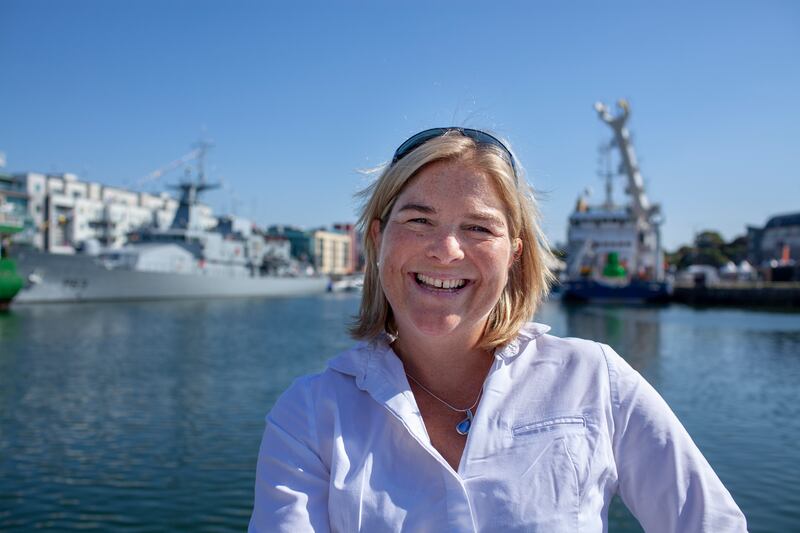
“The pandemic made us appreciate the fragility of life and caused many of us to question what we were doing and how we were working,” Collins says. “Suddenly, people could work remotely.”
In 2016, Lynda Grattan and Andrew Scott published The 100-Year Life: Living and Working in an Age of Longevity. In the book, they wrote how the traditional three-part life – learning, working, retiring – was being radically altered as people live longer, healthier lives.
“It’s not so strange any more to hear of people near or past traditional retirement age taking on a whole new degree,” says Collins.
“The harsh reality, of course, is that many people would love to change jobs or career, but childcare, mortgage and living costs can get in the way. That’s why it has been great to see micro-credentials – short, flexible courses – offered by both the higher- and further-education sectors.
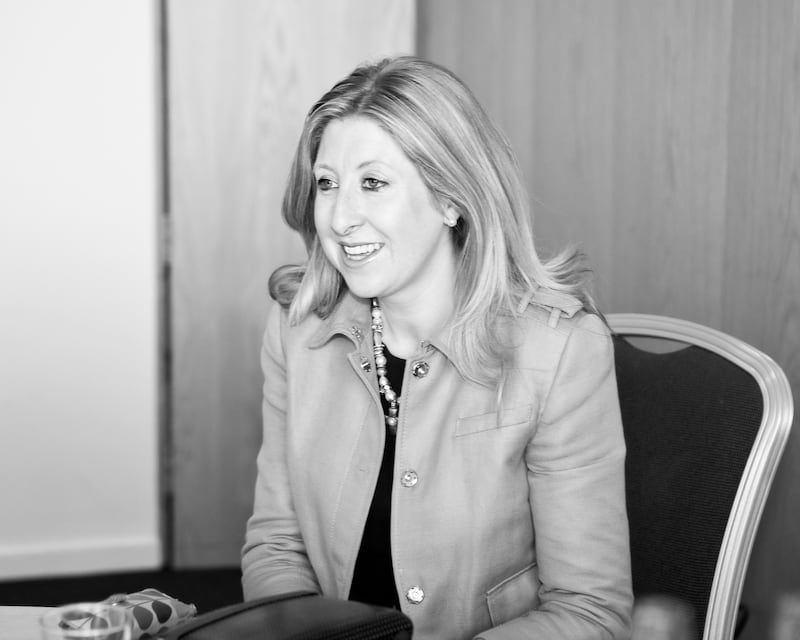
“At RCSI, for instance, if someone is interested in health and wellbeing, they can start with a micro-credential and ultimately build from this into a master’s or even a doctorate. It is a great, accessible way to test the waters.”
What if you know that you want to change, but you’re not sure what you really want to do?
The first step, Quinlan says, is to honestly assess your skills, both the technical ones you’ve built through work and the transferable ones that apply across sectors.
“These include communication, project management, leadership, problem-solving and adaptability,” she says.
“Many people underestimate how valuable these broader skills are, particularly in emerging industries like renewable energy, environmental assessment and data-driven roles. The next step is exploring targeted upskilling. You don’t need a full degree to pivot professionally. Micro-credentials, short courses and flexible online programmes allow you to gain the exact knowledge you need without stepping out of the workforce.
“For me, completing a specialist offshore-wind EIAR course while juggling work and parenting was not only possible – it was transformative. The structure made it manageable, and the content immediately applicable.”
Collins says learners also need to reflect on their values.
“What is really important to you? Is it a super-high salary or to feel that you are growing and developing? Is it important that your work has an impact on society? Is work-life balance important to you? What is your intrinsic motivation?”
Both Quinlan and Collins urge learners to talk to people who are already working in the area they’re thinking about.
Collins suggests a career coach or mentor can help learners to figure these questions out.
“The best mentors are people that you really admire, connect with and respect,” she says.
“Sometimes it is even better to seek out someone from a different industry. Go to conferences, and if you see a speaker that connects with you, they could be a good mentor. You could even have an informal mentor, such as a friend or family member, who sees your potential and encourages you, alongside a formal mentor – perhaps someone in the community or business world who can share their experience and wisdom.
“Get active in professional bodies: if, for instance, you want to move into HR, become an associate member of the Chartered Institute of Personal Development. Build your knowledge and contacts – and remember that 90 per cent of people who make a midlife career change report feeling happier.”
Career change doesn’t happen overnight, says Quinlan.
“It’s a series of small, intentional steps: building confidence, acquiring new knowledge, seeking support, and recognising your existing strengths. With focused learning and a willingness to embrace opportunity, carving out a new path at mid-career is not just possible – it can be one of the most rewarding decisions you ever make.”


