

Along with marking the 250th anniversary of US independence, this year also brings the 150th of the Catalpa Escape, events that were not entirely unrelated.
The latter happened on April 17th, 1876, when six Fenian prisoners fled a work party near Fremantle in Western Australia, boarding a whaleboat and rowing out to the merchant ship Catalpa, which had anchored in international waters to await them.
Both whaleboat and ship had been supplied by the Meath-born John Boyle O’Reilly, an earlier escapee from Fremantle, who was by then a campaigning journalist in Boston.
As the Fenians rowed to freedom, there were chased by a colonial police boat but reached and boarded the Catalpa just ahead of their pursuers.
READ MORE


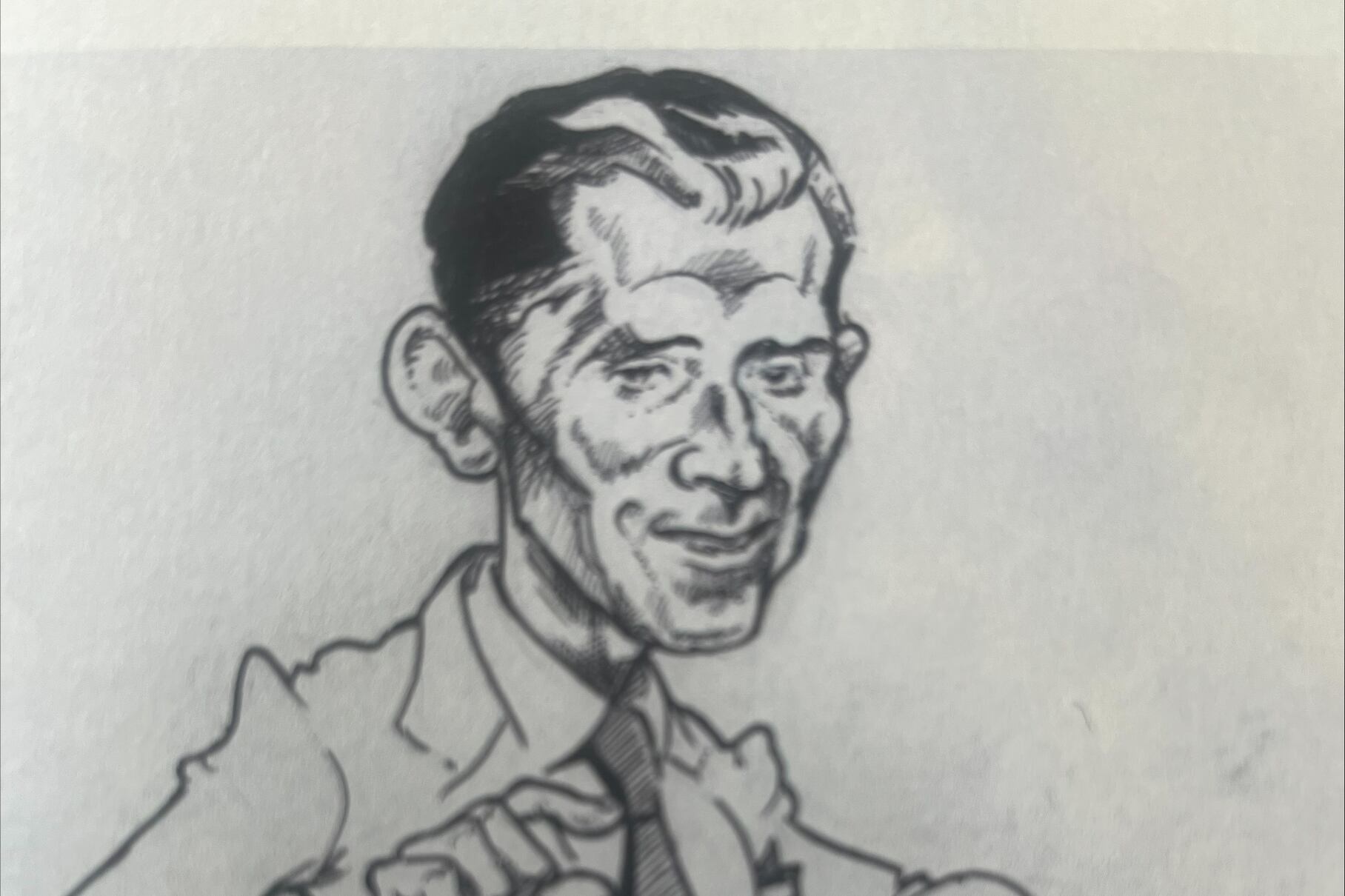

The police first returned to base for fuel and guns, then caught up with the ship again for a tense showdown in which they demanded surrender of the prisoners and fired a warning shot.
In response, the Catalpa’s captain hoisted the Stars and Stripes, threatening that an attack on his ship would be an attack on the US. The police backed down, and after sailing halfway around the world, the Fenians reached New York in August, to great celebrations in Irish America.
One of those who escaped was a McNally, by the way, although no known relation of the diarist and also at times identified by the surname Wilson.
His rebranding dated from teenage years when he had to join the British army in a hurry while editing his CV of the event that had forced his enlistment: battery of a policeman.
He later deserted and joined the Fenians, which earned him a sentence of penal servitude for life in Australia. It was he whose plaintive letter to John Devoy, Fenian leader and New York-based publisher/editor of the Gaelic American, set the daring escape plan in motion.
[ Custer’s Last Tune – Frank McNally on the dubious history of the ballad GarryowenOpens in new window ]
Boyle O’Reilly, McNally and many others had been among the last convicts ever transported to Australia, arriving in January 1868 via a ship called the Hougoument, on whose name hangs a twisted tale of Anglo-Irish history.
The original Hougoumont was a farm near Waterloo that became a pivotal part of the front line during the famous battle of 1815. Occupied by the Duke of Wellington’s troops, it was stormed by French forces early on that day after gates to the courtyard were left open.
Amid desperate hand-to-hand fighting, the defenders struggled to shut the invaders out again. And it was a Sgt James Graham from CoMonaghan who slammed the bolt home, becoming “the man who closed the gate at Hougoumont” and, according to Wellington, saving the day.
Half a century later, the namesake ship closed the gate on an era of convict transportation to Australia, although not before becoming a footnote in Fenian history.
Thanks to Boyle O’Reilly and others, it also earned a place in the history of journalism. More than usually literate by Australian convict standards, the Fenian prisoners produced their own newspaper on board, The Wild Goose: printed – in seven issues of one copy each – by hand.
My regular correspondent and Catalpa enthusiast Frank MacGabhann is among those campaigning to have this year’s milestone suitably marked. He has written a screenplay on the escape and hopes to see it made into a film.
In the meantime, he tells me that four local authorities have now called on the Minister for Culture to commemorate the event. Unlike 150 years ago, officialdom in Perth and Fremantle may be disposed to celebrate it too. Western Australia’s state government these days includes Stephen Dawson, a Dublin-born, Gaelscoil-educated Labour MP and now minister, who emigrated with his family aged 13.
As posted on his Instagram account, he visited Rockingham Beach – where the escapees took to sea – last April as part of the Australian Irish Heritage Association’s commemoration.
On a tangential note, another of this year’s 150th anniversaries will fall in late June. The original event in that case happened exclusively in the US. For even as the Catalpa escapees sailed towards New York in the summer of 1876, General Custer was facing his last stand at Little Bighorn.
In a US high on jingoistic centenary celebrations, the fate of the 7th Cavalry at the hands of Crazy Horse and Sitting Bull caused anger and dismay, with Custer portrayed as a martyred hero. But in Boston, still celebrating news of the Fremantle escape (which he broke to the press in early June), Boyle O’Reilly begged to differ.
“The border-cry of vengeance is heard already, and it is probable that an attempt will be made to extirpate the entire Sioux,” he wrote in his newspaper, The Pilot.
“But the day will come when these things cry to Heaven against the United States. The treatment of the Indians has been a red record of rascality and crime; and it is worse than ever to-day. The Sioux warriors did not murder Custer and his soldiers. They met him in a fair fight, out-generalled him, and cut him to pieces. He tried to do the same to them.”


