
Residents at Dublin’s oldest Traveller housing site are “devastated” at the news that its redevelopment, promised for almost 30 years, is not going to proceed.
Refurbishment of existing houses and construction of more at the almost 60-year-old Labre Park in Ballyfermot has been pledged in varying iterations by Dublin City Council’s Traveller accommodation programmes since 1999.
Plans for 22 new homes were submitted by the council to the Department of Housing in 2004 and approved in 2008. These were dropped, however, due to “issues on the site” and revised plans were submitted in 2012.
The scheme, built in 1967, was Dublin’s first purpose-built Traveller housing project. It comprises 14 houses, with another eight in the adjacent Kylemore Grove. Opposite these are mobile homes accommodating 12 extended families.
READ MORE




There are no trees or green areas, the road is potholed, and an area at the end that is easily accessible by non-residents is used for illegal dumping.
A small playground was provided by the council in late 2024.
In 2013, the Department of Housing sought additional technical information on the 2012 plans, and in 2014 approved housing body Clúid was contracted by the council to plan and manage the project.
Clúid conducted extensive consultations with residents. And what were described as “final plans” for new builds and refurbishments were submitted to the council.
However, a “serious flood risk” was identified in 2019. Mitigation measures in subsequent years did not overcome these. In the end, it was decided not to build houses on this section, occupied by the mobile homes.

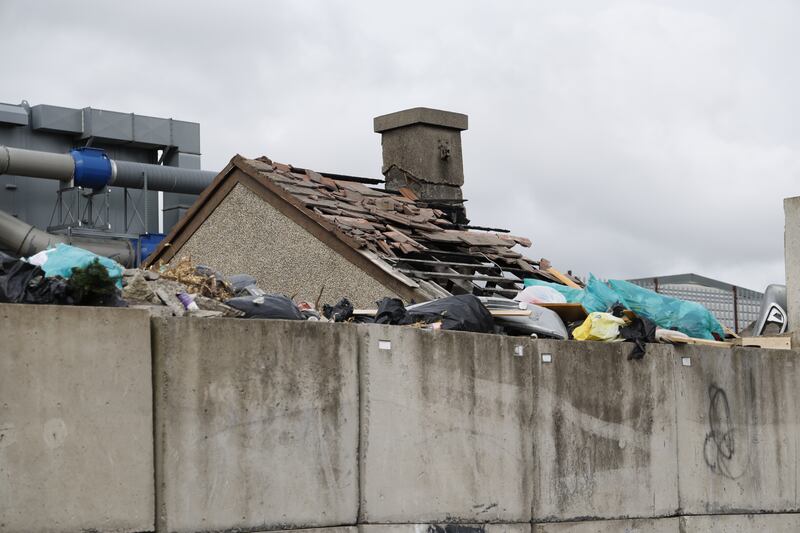
Clúid drew up further plans to build 12 additional homes, refurbish 18, and create parkland on the floodplain section, along with flood defences. These were rejected by the Department of Housing on cost grounds. Further plans were submitted to the council.
Late last year Clúid pulled out, and on April 2nd, the council contacted Ballyfermot Traveller Action Group co-ordinator Shay L’Estrange; his new homes in the latest plan would not proceed due to “serious concerns ... raised by [the council’s] flooding and drainage team”.
Bridget Cash, a mother of seven children, was “heartbroken” when she heard the news. Involved in consultations on the redevelopment, she had already begun to believe it would never happen.
“I am married 22 years and this has been going on since before I was married.”
The family of nine lives “like sardines” in a three-bed mobile home. Until 2016, when container units with washing facilities were provided, they had neither running water nor secure electricity.
They pay about €50 a week rent and bills to the council.
“It’s hard bringing up a family here. You don’t have the facilities you should have. In the summer, it is lovely to go out and wash in the shed, but in the winter, you might as well be outdoors having a shower.”
Four of her children have primary ciliary dyskinesia, a severe respiratory condition, and need nebulisers several times a day. She cannot plug them all in simultaneously without electricity tripping.
“I can’t put a kettle or a heater on when they are on the nebulisers. I just knew the redevelopment wasn’t going to happen. It’s been going on too long. I am devastated, disgusted, heartbroken. Not for me, for my children. It’s not fair on them,” she said, sitting with her youngest two, Alice (7) and Johnny (9).
“We have no space here. They can have no privacy. There’s days when I feel so bad, if I didn’t have them, I don’t think I’d be in the world. That is how bad it sometimes gets, especially in the winter. The council, they get our hopes up and let us down, over and over.”
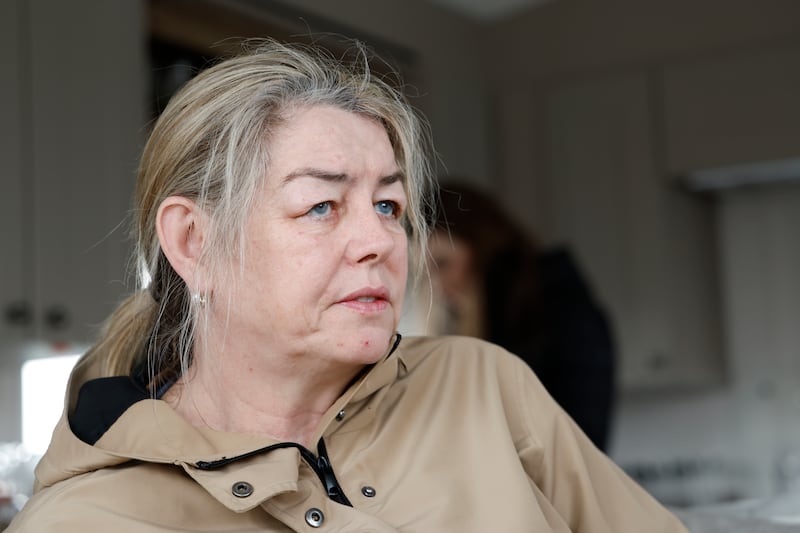
Breda Berry, who has lived here all her life, was on the list for a house when her eldest son was a child. He is now 35.
“We are all devastated after all the broken promises all these years. I was waiting as a young mother for a house. Now I am a grandmother.
“The sooner they do something with the place, the better for the whole community. It’s run down. Everybody wants a nice place to live ... People think because we are Travellers here they can just come and dump their rubbish. There’s a lot of people here who have bad mental health. And the living conditions contribute to it.”
L’Estrange said the community will not let the site become unlivable and will “fight this”.
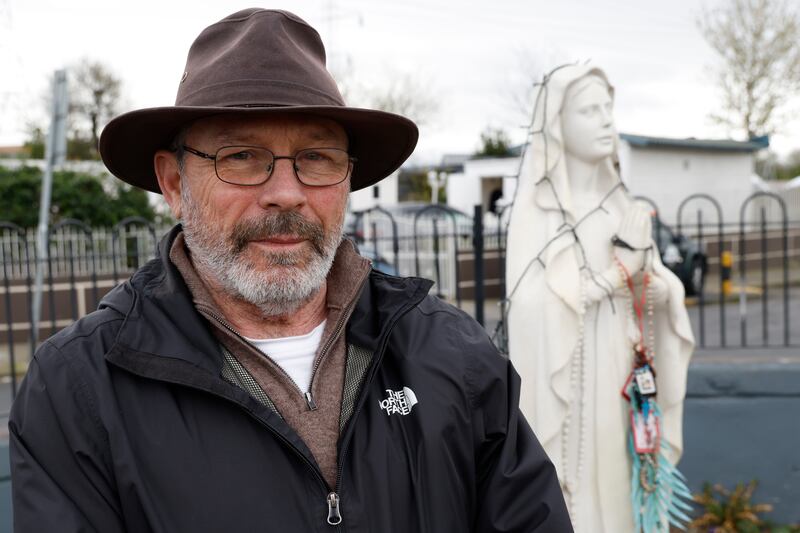
A council spokesman said the continued flooding concerns “present a setback for the project”, but the local authority was “still committed to delivering a housing scheme at Labre. We are now intending to progress the project in two phases.”
Existing homes would be refurbished, and energy retrofitted, and there would be “further investigations” to establish whether new homes can be delivered.
“We will engage with the local families and representatives as this work progresses,” he said.


