
Bottles of Guinness dating back to 1864 have been found on a shipwreck about 5km off the coast of Dover – and now the explorers want to “rebrew” the stout.
Up to 20 bottles of stout were discovered by a team of divers exploring the wreckage of the Mindora sailing barque last summer, but only recently have they acquired a survey report linking the cargo to a recorded ship of that time.
Since making the discovery, Stefan Panis, an expedition diver who made the discovery, and Paweł Truszynski, a technical diver and historical researcher, have begun what they call “Project Jurassic Beer”.
Truszynski said they have enlisted the help of Kevin Verstrepen, professor of microbiology and genetics at Leuven University in Brussels, in an attempt to rebrew the Guinness to mimic exactly how it would have tasted in 1864.
READ MORE


Verstrepen said it is not likely they can retrieve living yeast cells from the bottles – though they will try. In that case, he will take a “modern sibling” of the original yeast, once the DNA is analysed, to get as close as possible.

Truszynski said if they succeed in their quest to “rebrew” the old Guinness, “we will unlock a form of liquid time travel”.
The group has also contacted the Guinness Archive team at St James’s Gate in Dublin to cross-reference their findings, he said.
A spokesperson for Diageo Ireland said the Guinness Archive team “has been in communication with the divers to gather more information and evaluate the find”.
“Discoveries like this provide a fascinating window into our past and help build a deeper understanding of our heritage.”
The bottles were discovered resting in the ship’s cargo under temperatures of 4 degrees, constant high pressure and absolute darkness – perfect conditions for preservation.
The Mindora, which collided with another vessel off the coast of Dover on November 27th, 1864, had set sail from London to Vancouver a week earlier.
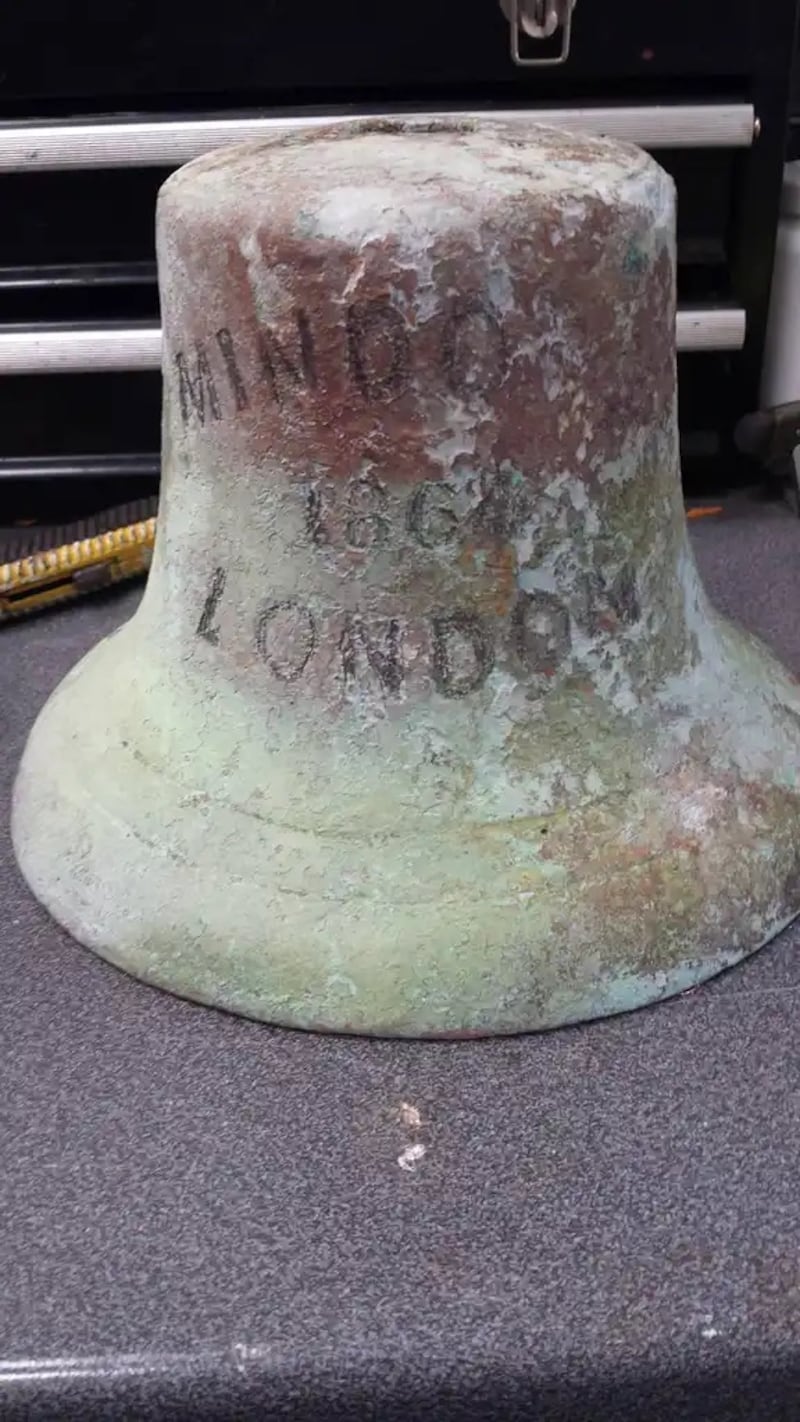
Lloyd’s Register Foundation, which oversees the Lloyd’s Register of Ships from 1764 to 1999, could not officially confirm the site, as the divers did not make the discovery in conjunction with the foundation.
However, digitised links to the survey report for a ship called “Mindoro”, likely to be the Mindora, were sent by the foundation to the divers upon request.
The report was written up on September 3rd, 1864, with the surveyor having first visited the ship on November 17th, 1863.
Zach Schieferstein, archivist with Lloyd’s Register Foundation, said discrepancies in the records of ship names were not uncommon in the 19th century.
Panis said the discovery of the Guinness had not already happened in the last decade or so of searching the wreck because sand likely covered the crates of stout, pickled vegetables and other cargo on board.
“The story of the shipwreck is never-ending,” Panis said, adding that changing currents allow for pieces of history to “appear one year and disappear the next year”.


