
While Róisín Ní Churraidhín and 55 other talented dancers from Dunshaughlin Dance School in Co Meath warm up to perform in front of thousands gathered in the Convention Centre Dublin, three members of her family step outside for a breath of fresh air.
The sun is beating down on the North Quays, and temperatures are well above 20 degrees. But the shimmering river Liffey provides some respite for Una Curran, who is there to watch Róisín, her daughter, compete at the finals of the Dance World Cup.
“We’ll never get this experience in Dublin again,” she says of Ireland hosting the world’s largest dance competition, with more than 11,500 dancers from 60 countries taking part this week.
From a parent’s perspective, the competition “is a mixture of nerves. And you feel their nerves when they’re on stage, but you’re extremely proud of all their hard work,” she says.
READ MORE


“And it’s a lot of hard work,” Curran’s mother, Maureen Wall, interjects. “It’s a lot of time spent in the studio to get here”.
“This is Dunshaughlin’s first time doing the Dance World Cup ... they said they would give it a try and, since they had never done it before, we were quite surprised when 56 dancers got in,” Curran says.
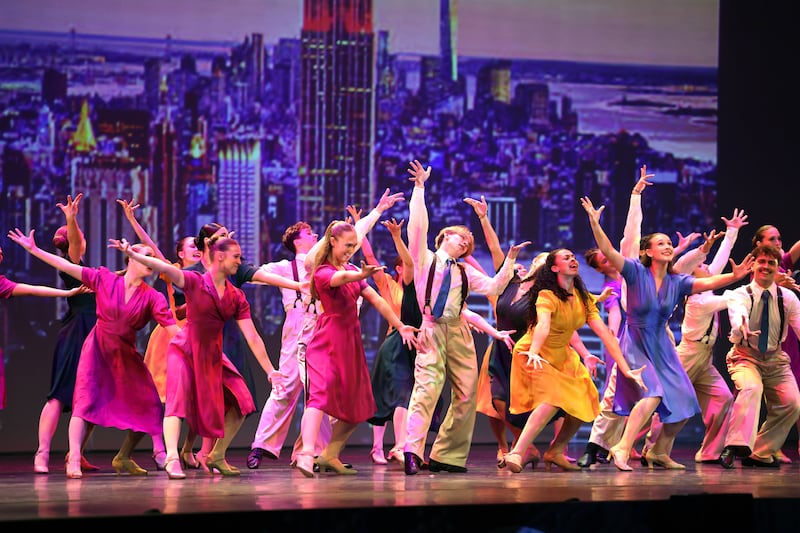
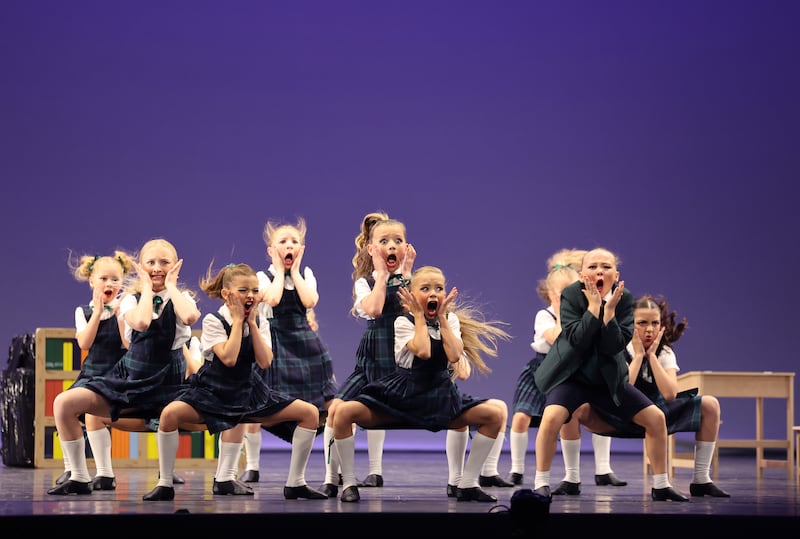
“The standard at the Irish qualifiers was extremely high, and the standard here ... it’s just off the scale,” she says.
Although the stakes are high on stage, camaraderie is higher in the dressingrooms. Méabh Ní Churraidhín, Róisín’s sister, has joined in the practice of swapping wristbands with other competitors, making dozens of tricolour-themed bracelets and handing them out all day.
Ascending the six floors of the Convention Centre, the dressingroom preparations have quickly spilt out into the hallways.
On the fifth floor, the small Icelandic crew has found a quiet area to do their make-up. But not far away is a large English team rehearsing their Harry Potter-inspired routine.
10-year-old Millie Young is still riding the high of her second-place finish in the “showstopper” category and her bronze medal for her performance in the children’s jazz category.

She says she’s “a little bit nervous” before going on stage in a few moments for her group dance, but after hours of practice, “definitely ready” to go. “The kids love it, they literally live for the adrenaline,” her mother Ricarda says.
But it’s not all high kicks and pointed feet: Dance World Cup’s executives are quick to point out the serious benefits for hosting. “It’s about 50,000 people in Dublin for the event over 11 days,” director Chris Stapelberg says.
“In hotels, taxis, spending, it’s about €1.8 million a day into Dublin’s economy,” chairman John Grimshaw adds. “In terms of actual competitors ... we have more than the Olympics,” he says.


