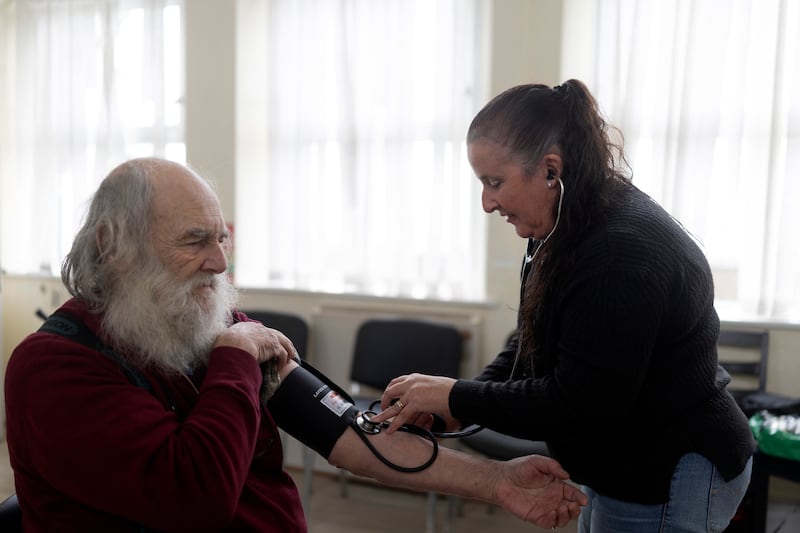
Smooth sailing when she heads out for appointments with her island patients isn’t the only priority for Achill islander Dr Noreen Curtis.
Among a litany of issues facing remote rural medical practices is an urgent problem: the dramatic fall of dispensing GPs.
This issue will be a priority when she is scheduled to meet Minister for Health Jennifer Carroll MacNeill later this month.
Curtis is a passionate advocate on behalf the Rural Island and Dispensing Doctors of Ireland, a group set up in 1984 to protect local medical care for people living in rural, isolated and offshore locations.
READ MORE


She is acutely aware of the fact that since 2016 there has been a 64 per cent drop in general medical practitioners who also dispense medicines – in the absence of nearby pharmacies – throughout the most remote areas of the country.
“There were 108 dispensing GPs a decade ago, but this number has now dropped dramatically to 30,” she says.
“It is no surprise when the fees they are being paid are about 10 per cent of what pharmacists receive, that is about €4 per patient per month, and you can well imagine the workload.”
Among the other challenges facing remote rural GPs is the perennial problem of finding locum cover.
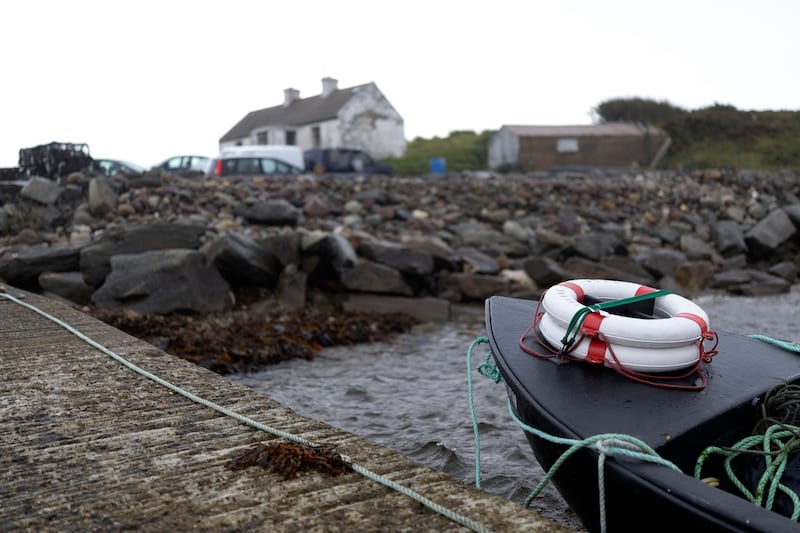


Curtis, who, like her father, worked with one of the two group practices on the Co Mayo island of Achill for many years left in 2020 to become a GP for three nearby islands: Clare, Inishbiggle and Achillbeg.
On Thursday The Irish Times joined with Curtis on her five-minute curragh journey across to Inishbiggle in driving rain. She is ferried across to the island by a local man who brings her when she has to visit her patients.
Curtis uses an old schoolhouse on the tiny island for her GP clinic but she also makes house calls to patients, which included island resident Jeremy Holt on Thursday.
[ GP shortages: Where are the most acute problems across the country?Opens in new window ]
Notwithstanding the unique challenges she faces – not least stormy weather – her smaller number of patients facilitates her work with the University of Limerick’s School of Medicine: supervising and “exposing” medical students in the northwest “to the joy and challenge of rural practice”.
“I bring them all to Achill and out to the islands, and they absolutely love it. Rural practice is not for everyone, but I know for a fact that several of these students will go on to become rural practitioners after their experiences here,” she says.
Curtis believes there needs to be extra supports put in place to attract young GPs to more remote areas.
“Dispensing is a vital component of rural practice. In a remote community without a pharmacy close at hand, GPs perform this vital service, but at a fraction of the cost it entails,” she says.
“It is labour intensive but vital work to ensure elderly patients, sometimes living alone, are supported.”
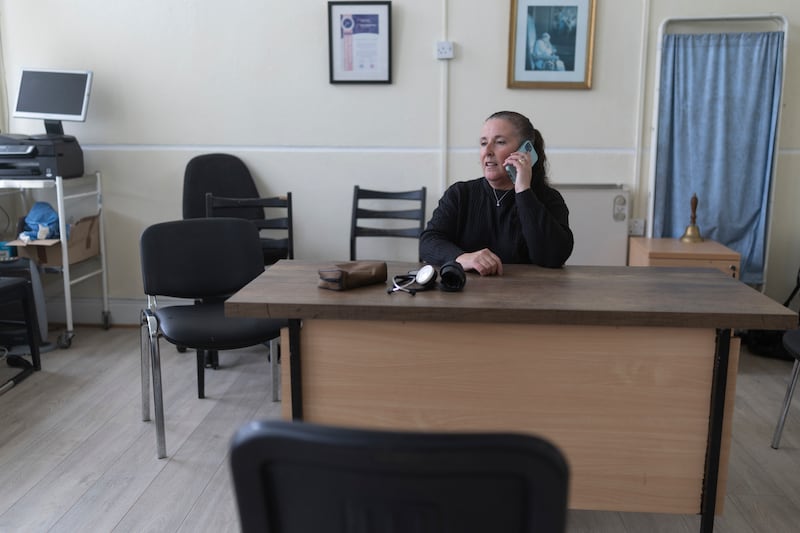
Curtis outlines the fact that the General Medical Services (GMS) contract makes a GP responsible for patients on a 24-7 basis, but for the many single-handed GPs there is “no equitable access to cover when they need leave, whether maternity, illness or annual.”
She says this is “the single biggest obstacle to newly qualified GPs taking on a rural post”.
The Mayo GP points to a 2024 survey of rural GPs, cited by the Irish College of General Practitioners, that found 72 per cent were unable to access locum support in the previous 12 months, while 47 per cent could not avail of locums due to cost.
[ ‘I decided to take a leap of faith’: Largest ever number of GPs graduateOpens in new window ]
Rural areas typically have 60 GPs per 100,000 people, compared with 90-100 in urban areas, even though rural GPs account for 11 per cent of the GP workforce but care for 20 per cent of the population.
She adds that 30 per cent of these rural GPs are aged over 65.
It is those patients living on the rosary of islands along the west coast who are the beneficiaries of groundbreaking medical practice using new technology.
Piloted on Clare Island, the Healthy Islands initiative is a telemedicine project designed to improve healthcare and reduce social isolation. The initiative is being led by the University of Galway’s Hive Lab (Health Innovation via Engineering) in association with the HSE.
[ The modern Irish GP: How a new kind of doctor is reinventing general practiceOpens in new window ]
The highlight of the launch event in 2023 was the delivery by a drone, called Madra, of an epi-pen from the mainland to the island.
The project is working on services with 12 offshore islands and aims to expand the technology to other isolated communities to improve access to care “without travelling”, she says.
Caring for her island patients still involves rainwear and life-jackets, curraghs and currents, shimmying down ladders at the harbour in Cloch Mór on Achill, the pier from where she departs weekly on the ferry for Clare Island and her patients there.
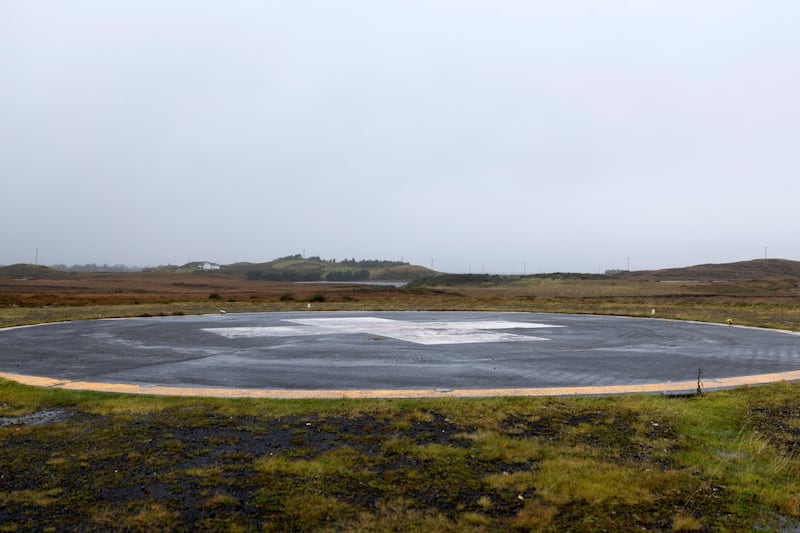
When acute emergencies arise, her work escalates to calling for the Irish Coastguard helicopter Rescue 118 to evacuate the patient.
“This is often supported by our RNLI Lifeboat, which luckily, if it is during the night, just involves me nudging my husband, Dave, in the bed, as he is the coxswain of the lifeboat,” she says.