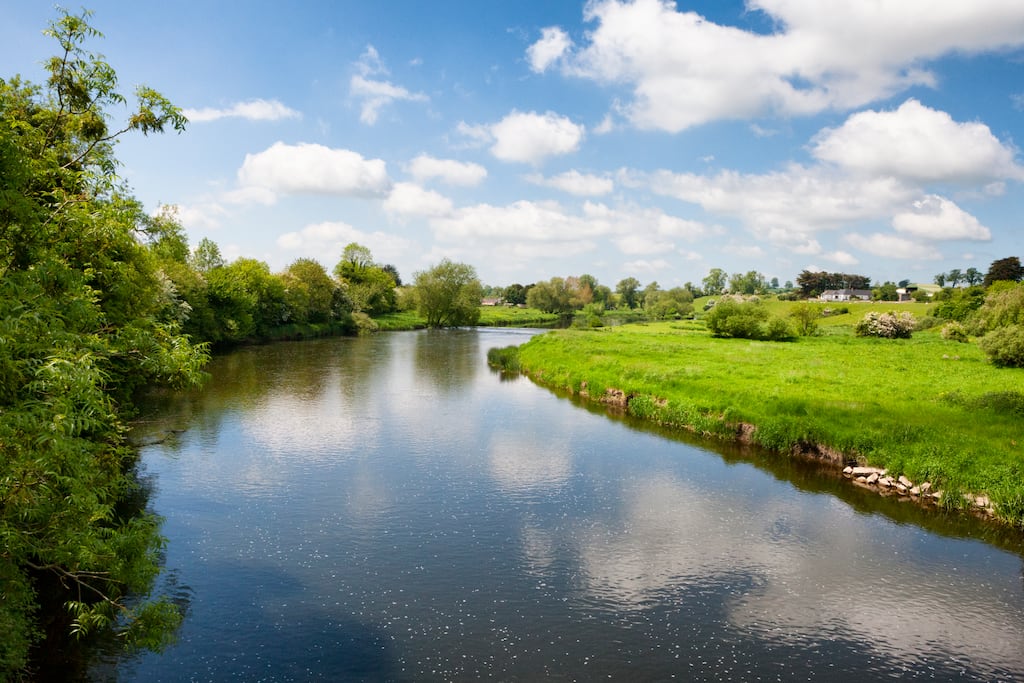

Water is one of Ireland’s most valued natural resources and one of the issues people care most about. According to recent findings from a national representative survey of 2,000 Irish adults conducted by Empathy Research, water quality ranks fourth out of 17 sustainability topics in terms of personal importance, just behind food security, lowering food costs and reducing food waste. Yet despite this strong concern, understanding of water quality remains limited and often shaped by personal experience rather than national evidence.
Perception Versus Reality
- Many people underestimate the quality of Ireland’s drinking water. Although only 51% of people believe Ireland’s drinking water is in high or good status, the 2024 Environmental Performance Index gives Ireland a perfect score of 100.0 for the Unsafe Drinking Water indicator- placing it among the best-performing countries globally.
- Public perception also underestimates the quality of our surface waters. While 43% of people believe Ireland’s natural surface waters are in high or good status, the EPA’s Water Quality in Ireland 2019–2024 report shows that 52% actually meet high or good ecological status.
People often rely on local signs like boil-water notices or discoloured tap water, rather than national data. Drinking water, groundwater, and surface water are often merged into one mental category, even though they differ significantly.
Our Water Matters
READ MORE


To bridge this gap, the agri-food sector launched Water Matters, a new website explaining:
- Why water matters
- How Ireland’s water resources work
- What influences water quality
The site also highlights practical actions being undertaken to protect waterways across the country, especially by farmers which include:
- Applying nutrients more precisely using soil testing
- Improving soil health to reduce erosion and nutrient loss
- Maintaining buffer zones along waterways
- Working within local water catchments for tailored solutions
Signs of Progress
EPA reports targeted local action is making a difference:
- Between 2019 and 2024, nitrate levels decreased in 39% of monitored rivers compared with 6% of rivers showing an increase.
- Phosphorus levels improved in catchments where programmes like Agricultural Sustainability Support and Advisory Programme (ASSAP) are active.
Progress is happening, but challenges remain. By understanding pressures and supporting balanced solutions, Ireland can keep its water clean and safe.
Visit the Water Matters website for science-backed information and real examples of action in your community. Every drop matters – and so does every effort.


