
Last week the views of two Government Ministers diverged dramatically when they were talking about where energy prices might be heading.
Minister for Enterprise Peter Burke said the cost of heating and lighting our homes and washing our clothes and cooking our food and watching the telly might jump by as much as 30 per cent as a result of the conflict in the Middle East.
Minister for Energy Darragh O’Brien by contrast suggested that although prices would climb, they were more likely to go up by between 4 and 9 per cent.
In cash terms, the difference is huge – with the worst-case scenario likely to cost the typical Irish household more than €1,000 a year, while the lower estimate would set us back about €300.
READ MORE


It seems clear that while O’Brien was talking specifically about electricity, Burke was looking at all forms of energy. If we were to split the difference, we might be looking at paying about 15 per cent more for our energy over the next 12 months, which could see the annual cost climb by about €500.
The truth is, neither Minister nor any of their advisers – nor indeed Pricewatch – knows for sure what is going to happen to prices. Much will depend on the trajectory of the conflict in the weeks ahead, so it could even be worse than that.
The bottom line, however, is it seems inevitable that we are all going to have to pay dearly for the US-led war in the Middle East.
We have been here before – and not too long ago.
When Russia invaded Ukraine in 2022, oil and gas went through the roof and all the domestic energy companies pushed up their prices, with the average cost of heating and lighting an Irish home jumping from about €2,000 a year to close to €4,000.
Prices fell back after the initial shock of war in Europe eased. The average annual price being paid by domestic customers in Ireland now is about €3,000.
To manage our costs as this year continues, we will need to have a better sense of where our energy is going.
We haven’t yet got to the stage where the glimmermen are policing our energy usage, but more and more people are likely to question why lights are being turned on and thermostats are being set too high.
But how are we to monitor how much we use and keep the spending in check – if we can – when we don’t know how much the things we rely on every single day to keep us warm, clean, illuminated and fed actually cost?
We all know how much a litre of motor fuel costs because there are signs screaming the prices at us from every forecourt in the State. It is easy to track how much home heating oil has climbed by, and most of us have a pretty good handle on how much we spend on groceries because we have to hand over the money before we can leave the shop.
But how much does it cost to have a shower, or heat the livingroom, or have a cup of tea, or tumble dry a laundry load?
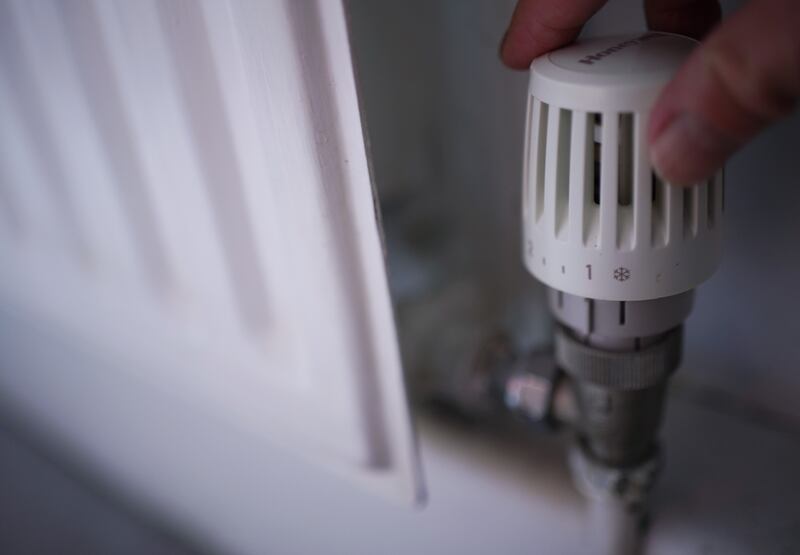
In very general terms, domestic energy follows a 60-20-20 rule.
That means about 60 per cent of a typical bill goes on heating our homes, with 20 per cent needed for heating our water and 20 per cent spent on our electrical appliances – including lights. About 2 per cent of our total bill is used for cooking.
But if we are going to really manage our energy budget in the months ahead, we might do well to drill a little deeper.
If we use the 60-20-20 rule and readily available figures from energy providers, we can have a stab at establishing the costs – although it is worth bearing in mind these are guideline figures only and are based on the average standard unit rate for domestic energy usage, which is currently about 35 cent per kilowatt hour used.
Heating is the biggest expense, but how much it costs depends on many variables. How big is your house? Do you use oil or gas? How many rooms are you heating? What kind of insulation do you have? Do you have a chimney? What is the Ber rating of your home?
[ Electricity bills in Ireland among the highest in EuropeOpens in new window ]
If we assume that heat makes up 60 per cent of our bill of €3,000 a year, then the total cost is €1,800. If we have the heat on for eight months a year and the average cost of energy is 35 cent per kilowatt hour, that works out at €225 a month or about €7.50 every day that it is on. If there are six rooms that need heating, you are looking at €1.25 per room per day.
If you lower the thermostat in your house from 22 degrees to 20 degrees, you could see the daily cost fall to €6.80.
Although a decline of 70 cent may not seem like a whole lot, it amounts to savings of about €150 over the course of a year.
A shower uses about 10kWh of energy, which would take the hourly cost to €3.50; Bord Gáis Energy estimates the cost at €3.48.
But no one is going to spend an hour in the shower, right?
A 10-minute shower then costs 58 cent. Every minute less you spend in the shower saves you 5.8 cent, so if you have a seven-minute shower each day rather than a 10-minute one and you do that for a full year, you will knock another €60 off your annual energy bill. But if there are, say, four clean people in your house and they all do the same then the savings climb to more than €200.
If you leave the immersion on for an hour, you can expect it to cost you €1.10. If you heat water for four hours a week then you are spending a fairly hefty €230 a year on hot water from the tank.
After the shower comes the hair drying – not something Pricewatch has to factor in. Such devices use about 2kWh an hour, and if we allow 10 minutes for the drying of hair, it comes in at 11 cent.
A kettle uses about 2.5kW per hour and, according to Bord Gáis Energy, costs 92 cent an hour. Boiling a kettle for a morning cup of tea will cost about 8 cent, while boiling that kettle five times over the course of a day will cost 40 cent – although it is worth pointing out that this price is based on boiling a full kettle. If you only put enough water in for a single cup of tea, you will see the cost falling by at least 15 cent a day, which when spread over the course of a year amounts to a saving of about 50 quid.
A Nespresso (or similar) machine is more energy efficient: one such device used eight times a day for one minute at a time will cost just 5 cent.
A toaster consumes 1.5kWh of power, so toasting two slices of bread will cost 3 cent.
Heating a bowl of microwave porridge for the required two minutes will cost 2 cent. A microwave uses about 0.8kWh of energy in one hour, and if it’s used for a further 30 minutes over the course of a day then the total price will come in at about 30 cent.
An old-school 60-watt lightbulb and the other bulbs on that scale were not very energy efficient, but LED lightbulbs in the 6-10 watt range are a whole lot better, and if one is left on for 10 hours it will cost no more than 3 cent.
That means if just one such lightbulb lights a room for an average of five hours each day over the course of a year, the energy cost will be about a fiver – with the total cost of lighting eight rooms rising to about €40.
A washing machine uses about 1kWh of energy, so a two-hour cycle of washing costs about 70 cent. By contrast, a tumble dryer uses 3kWh of energy and, based on average prices right now, a two-hour cycle to dry your clothes will cost a fairly hefty €2.10, according to the Bord Gáis Energy figures.

At least the tumble dryer is not likely to be used every day or even multiple times every day – unlike the dishwasher, which requires about 1.5kWh for a cycle, which is a further 53 cent give or take.
Spending an hour working on a desktop computer will set you back about 7 cent, so a working day costs 56 cent – although if you switch to a laptop and leave it plugged in for much of the day, the cost falls by more than half to 25 cent.
The fridge is one of the very few devices that we have to leave on every hour of every day – and one where there are no savings to be made.
Obviously the amount of energy a fridge consumes will depend on how big it is and what it is asked to do. If you have a small ice box and a waist-high fridge, the cost will be dramatically lower than if you have an American-style fridge-freezer. Bord Gáis Energy gives a ballpark figure for running a fridge-freezer of about 10 cent a day, equating to an annual cost of €36.50.
Using an oven for one hour will add about 92 cent to your daily bill, while using a slow cooker will set you back just 7 cent an hour. If you bring something to the boil on the stove top it will set you back another 3 cent.
[ Vast majority of SMEs passing inflation and energy costs onto customersOpens in new window ]
The cost of vacuuming will again depend on what machine you have, and how long and how often you use it for. Bord Gáis Energy allows for 0.7kWh per hour. But a 20-minute run around your house with a typical machine will probably set you back 8 cent. Do that three times a week and it costs 24 cent, which works out at 13 quid a year.
Televisions are nowhere near as power hungry as they used to be and a pretty massive LED telly costs only about 4 cent an hour to run, so if stays on for six hours a day it will cost about 24 cent. An Alexa or Google speaker playing music and hanging on your every word will cost another 1 cent an hour, with the cost of charging your phone coming in at about the same depending on the make and model.
If you have an electric blanket and turn it on for two hours before you climb into a double bed, it will cost another 10 cent.
Leaving all your devices on standby overnight will cost 10-20 per cent of the cost of actually using them. Again, the savings to be made here are very small – maybe only 10 cent a day – but leaving something on standby when it is not likely to be used is just wasting money, and the energy leakage can be stopped without it making any difference whatsoever to the quality of your life.
We also priced overnight charging of an EV a few times a week at about €40, while using an air fryer for one hour seven days a week will set you back a fiver.
*Figures based on a typical standard unit rate for electricity of 35 cent per kWh.

Household energy usage guide
In the middle of last week, electricity suppliers launched a guide aimed at helping households to navigate their electricity bills and manage rising energy costs.
It covers the key components of a bill, including unit rates, standing charges, levies and VAT, as well as how consumption is measured in kilowatt hours. It also outlines how factors such as insulation and appliances affect energy usage.
The Electricity Association of Ireland (EAI) said that shifting electricity use away from peak hours, typically between 5pm and 7pm, can help households reduce costs, particularly if they’re using high-energy appliances such as showers, hobs, ovens or tumble dryers.
The guide also points to newer options for consumers, including smart tariffs, electric vehicle plans and microgeneration schemes that allow households with solar panels to earn money by exporting excess electricity back to the grid.
“Energy bills have a number of elements that combine to form the final amount,” said EAI chief executive Dara Lynott. “This new bill guide is about giving people straightforward information so they can understand what they’re paying for and feel more in control of their energy usage. Making some changes, like when and how you use appliances, or talking to your supplier about smarter tariffs, can make a real difference to your overall energy costs.”
He expressed the industry’s overall concern about the conflict in the Middle East in relation to energy costs and said suppliers have been working as hard as possible to shield customers from global energy volatility.
Ireland remains exposed to international fossil fuel price fluctuations, particularly due to its continued reliance on imported natural gas, accounting for up to 50 per cent of all Irish electricity generation in any given year.
Lynott said: “The most effective long-term solution to this dependence is the accelerated electrification of the Irish economy, including industry, transport and heating, combined with the rapid deployment of domestic renewable generation. Increasing the share of renewable electricity, alongside investment in networks, storage and system flexibility, will reduce reliance on gas-fired generation and enhance Ireland’s energy security.”

Top tips to save money
If you haven’t switched energy provider in the last 12 months – or ever – do it now. Moving from the standard unit rate you are on now to the discounted rate available to you as a new customer with a different company will save hundreds of euro. Use bonkers.ie or switcher.ie to save you time and effort.
Boil only the water you need. If you are really keen to save money, you could put the boiled water you are not using now into a flask for later use. If you are boiling water on the stove top, cover the pot. It boils more quickly and uses less energy and money.
Run the dishwasher and washing machine only when they are full. Half loads waste energy, even with special settings.
Insulating or re-insulating your attic should see your energy costs over the winter ahead fall by more than €100.
A Home Energy Saving Kit, available free from your local library, will help you see where the energy in your house is going and allow you to plug any leaks.
Never heat an empty house, give rarely used rooms a trickle of heat and get into the habit of turning off lights in every room you are not in. The amounts you save will be small but they will add up
Make sure your hot water tank is properly insulated. Don’t turn on your immersion – or if you do, don’t leave it on all day.
Make the most of your smart meter. Unlike standard electricity tariffs, smart tariffs typically offer different prices for electricity at different times of the day, or week. The most expensive time to use energy is between 5pm and 7pm and the cheapest is the middle of the night or at weekends, depending on your plan.