
Britain’s prime minister Andy Burnham and European Union leaders are off to Brussels later this month for the EU-UK summit. So is Nigel Farage.
The embattled Reform UK leader and spiritual sensei of the Brexiteer movement has endured a political annus horribilis. His insurgent populist right-wing party’s path to power once seemed inexorable but this year it tanked in the polls, mired in scandals.
Farage tried to kick-start a fightback of sorts on Thursday with yet another big, expensively-produced event in central London to announce Reform’s new defence spokesperson, strait-laced former Royal Air Force officer, Angus MacIntyre.
Afterwards, The Irish Times asked Farage if the fight had gone out of Brexiteers as Burnham, flutterer of the most famous set of eyelashes in British politics, openly flirted with rejoining the EU.
READ MORE


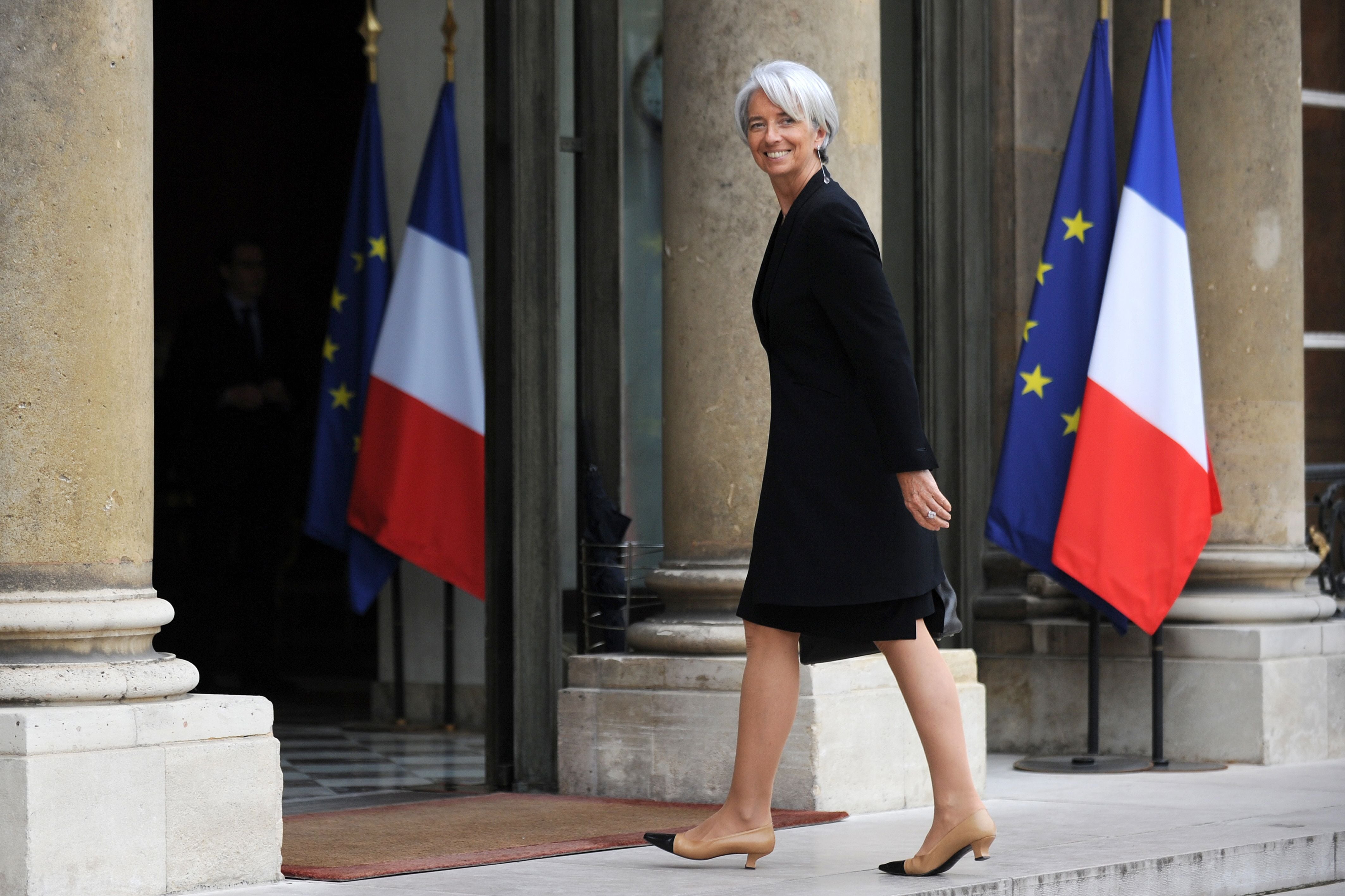
“Hold my jacket,” replied Farage, eyes twinkling as he pretended to pass his blazer to one of his aides while he struck a mock-pugilistic pose.
“I’ll be in Brussels on that day [for the summit]. I’ll look forward to seeing you there.”
Farage believes Burnham’s decision to relitigate Brexit is a strategic error by the British prime minister that could re-energise the wider populist right-wing movement that looks to the Reform leader for direction.
[ Is Andy Burnham laying a Brexit trap or falling into one?Opens in new window ]
“What Burnham is trying to do … is incrementally bring us back in [to the EU]. Fighting against incremental change is very hard. But the 20th of this month [the summit] isn’t incremental. It’s a big step. Standing up and raising a flag … makes my life a lot easier.”

Afterwards, I asked one of Farage’s aides if he was really going to Brussels and what he planned to do there. “You’ll find out soon enough,” he said, smirking.
For almost two years after Labour won the 2024 general election, Farage commanded the political media agenda in Westminster like the charismatic captain of a pirate ship plundering its rivals on the high seas. He made news every time he opened his mouth.
Labour MPs grew fearful that Farage would ride the waves created by his anti-migration, “broken Britain” rhetoric all the way to Downing Street, then occupied by a weakened Keir Starmer. But Reform’s fortunes flipped.
In February, it lost the Gorton & Denton byelection in Manchester, despite throwing a bounty of resources and one of its best-known faces, broadcaster Matt Goodwin, at it. Months later, Burnham unseated Starmer, replacing an enfeebled opponent of Farage’s with a more popular one far better at talking to voters.
Along the way, Burnham battered Reform in the Makerfield byelection, flooding relieved Labour MPs with a renewed belief that their new man had the recipe to halt Farage’s surge, which had evaded the hapless Starmer. Tory leader Kemi Badenoch also found her feet. Reform was now under attack on both flanks.
The party has slipped from its high point of close to 35 per cent in opinion polls back to 21 per cent this week in a survey by YouGov, third behind the establishment duopoly of Labour and the Conservatives. Renewed strength of Reform’s rivals played a role, but so did a slew of sleazy scandals that enveloped Farage’s party.
Just this week, a Reform councillor was sacked from his cabinet post on the county council in Suffolk, a Reform stronghold, after he posted on social media a sexualised, artificial intelligence-enhanced image of a woman party colleague.
“I certainly meant no offence and I apologise humbly and properly if anyone feels that,” said Chris Hudson, who was the Reform councillor in charge of Suffolk’s roads and transport.
Some of the issues affecting Reform are far more serious. It was reported on Tuesday this week that George Madgwick, Reform’s leader on Hampshire council, had been charged with 35 offences against four teenage victims, including 12 charges of rape.
Madgwick, who was first arrested in January, denies the charges. Farage said at the Reform event in London that he had only found out about the case the previous day.
Why was Madgwick allowed to carry on?
“I have no idea ... I wasn’t very happy,” he said.
In February, a Reform councillor in Kent, Daniel Taylor, was jailed by a magistrate for a “nasty and violent” campaign of coercive and controlling behaviour against his wife. The court heard he had threatened to lock her in the boot of a burning car.
In September, Dan Thomas, the leader of Reform in Wales and the official leader of the opposition in the Senedd, resigned after he was arrested on suspicion of assault and coercive or controlling behaviour. He denies any wrongdoing.
Farage had made Wales a focus for Reform, seeing it as ripe for growth for his party’s base in economically-depressed old valley pit towns.
He had retained that ambition, even after a previous Reform leader in Wales, Nathan Gill, had been jailed last year for accepting Russian bribes. The day after Thomas’s case, a Reform parliamentarian in Wales, Sarah Cooper-Lesadd, defected to Plaid Cymru.
Last month, Farage expelled five Reform councillors in Kent after a bout of infighting, which included the leaking of video footage of sweary party meetings held in private.
Meanwhile, Luke Campbell, Reform’s elected mayor for Hull and East Yorkshire, is under police investigation for alleged “cyberflashing” over a complaint from an official who said he showed her naked pictures of himself on a laptop. He denies wrongdoing.
The biggest financial-sleaze issue to have enveloped the party and Farage concerns a £5 million undisclosed personal donation he received from Thailand-based cryptocurrency billionaire, Christopher Harborne, as well as other undisclosed financial assistance from “Posh George” Cottrell, an aristocrat and convicted fraudster.
Westminster parliamentary authorities are investigating both payments, which the Reform leader says were legitimate.
Back at the launch event for MacIntyre this week in London, Farage tried his best to revive the rampant mood that typified Reform rallies before its polls slide.
Yet echoes of its ongoing woes were on display. The Irish Times passed Cottrell and an idling fleet of Range Rovers to gain access to the rally, at an old riverside fish market near London Bridge.

About 500 party members were seated inside a venue that seemed noticeably devoid of the crackling atmosphere common at many earlier Reform rallies I attended. The mood was hardly lifted by the choice of warm-up music over the audio system, the angsty Feel anthem sung by Robbie Williams. Yet Farage still received a loud ovation as he welcomed his new defence spokesperson in the week of Remembrance Sunday.
It was a well-heeled, older crowd, seeming far from the working class voters that Reform has sought to pinch from Labour. Tory defectors to Reform such as MPs Danny Kruger, Lee Anderson and Suella Braverman worked the crowd before Farage came onstage.
Farage referred to the “slings and arrows” of Westminster: “I know more about that that almost anyone else in politics after the last six months.”
He and MacIntyre decried the “ceaseless hunting down” by lawyers of British veterans, denouncing in particular the prosecutions of soldiers who served in the north of Ireland. MacIntyre said he would end those cases within 100 days if Reform took power.
Afterwards, Farage riffed upstairs about his old friend, US president Donald Trump’s woes as Republicans were hammered in midterm elections. Had he learned anything from Trump’s difficulties that he could apply to Reform’s future electoral campaigns in Britain?
“Keep your promises,” he replied, referencing Trump’s broken vow not to involve the US in more foreign wars.
He spoke about Russia’s war on Ukraine and the need for Britain to boost its defences, before alighting on his old favourite topic, Brexit, and his promise to appear outside the EU-UK summit later this month.
Farage, as ever, craves the political spotlight. Noticeable this time is that he feels he must follow the current politician-of-the-moment, Burnham, to Brussels to get it.