
German chancellor Friedrich Merz has vowed to crack down on “those who abuse our freedoms” in response to Saturday’s evening’s Islamist attack on Berlin’s Pride parade.
German police are still hunting for 21 year-old Berliner Abdul Ballout, suspected of crashing a white Citroen transporter into a crowd at 9:53pm on Saturday evening, killing a woman and injuring 29.
The driver of the van fled on foot and remains at large, triggering a countrywide manhunt.
Federal interior minister Alexander Dobrindt said many victims reported the attacker injuring them with a machete.
READ MORE


[ Berlin Pride attack shatters a day of celebration and defianceOpens in new window ]
“We are dealing here with a suspected perpetrator, who had previously drawn attention to himself through a high volume of criminal offences, radicalisation and affiliation with the Islamist scene,” said Dobrindt at a press conference.
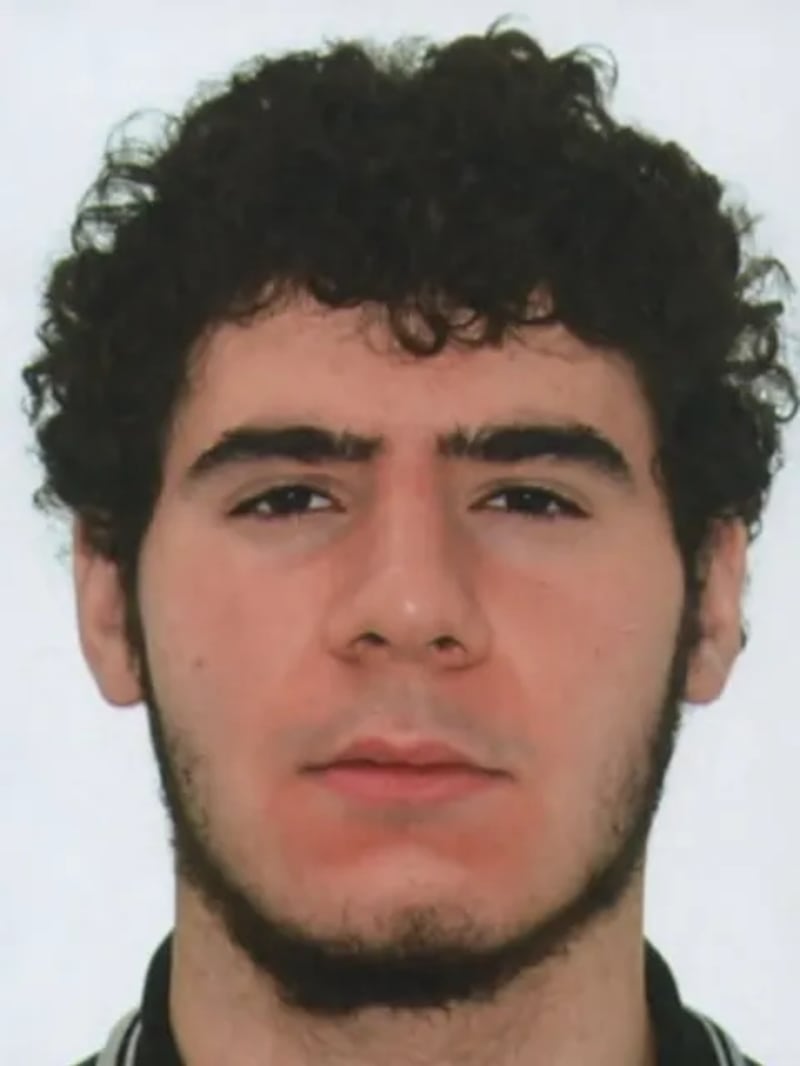
Ballout, a German national from a family with Lebanese roots, was arrested and jailed last year after reportedly failing to join Islamic State during a Middle East trip.
He was released from juvenile detention in May, had a second 22-month sentence suspended and, on Monday, was scheduled to attend a “deradicalisation course”.
After a peaceful parade on Saturday, the attack curtailed the event’s closing concert and, on Sunday, brought a rainy Berlin to a standstill: first at a Brandenburg Gate solidarity rally and then a memorial service at St Mary’s church.
Chancellor Merz urged the queer community at the service to “celebrate once more and show our opponents the joyful face of an open, free and liberal society”.
“To those who think they can divide our country and sow hate, I want to say: we will act wisely, and with great decisiveness, to prevent precisely that,” he said.
Berlin’s governing mayor Kai Wegner attracted applause, saying: “Berlin is the city of freedom and we will allow no one take from us this attitude towards freedom, diversity and openness.”
With four similar attacks in the last two years, however, German authorities are investigating why no red flag was raised when a man with Islamist links apparently rented a white Citroen van.
Another line of inquiry is whether the perpetrator found a gap in the parade area, sealed off by special barriers and police vehicles, or attacked revellers outside.
On Sunday a full-blown culture war blew up over Germany’s response to Islamist violence. Berlin’s state finance minister Stefan Evers, a gay man, described Islamist extremism as “the greatest danger” for LGBTQ+ community, “and we have to have the courage to call out this reality”.
Meanwhile, the city’s left-leaning queer commissioner Alfonso Pantisano warned against scapegoating and urged Berlin’s Government to instead “intervene earlier, take note of where hate originates and see how we can prevent it”.
Back at St Mary’s church in Berlin, members of a liberal city mosque urged Muslims in Germany to speak out against Islamist creep in their communities.
“We must avoid falling into a negative narrative against Muslims, while not playing down the danger of Islamism,” said Tugay Sarac, an ex-Salafist turned diversity activist at Berlin’s Ibn-Rushd-Goethe mosque.
The Saturday Pride march, one of Europe’s largest, embraced the motto “taking a stand is hot” and urged over 200,000 revellers to re-engage with politics and push back against those who oppose their rights and freedoms.
As news of the attack spread on Saturday night, many of those out partying said they were shocked but not totally surprised.
“I noticed myself checking the crash barriers all day,” said Stefan, a32 year-old emergency worker at a cellar bar in Schönberg, “and was impressed at how solid and well-organised it all looked.”


