

There’s no better way to understand a country than through its food and drink. It moves you beyond sightseeing into something far more intimate. Germany is a wonderful example of this. Beyond the rolling countryside and storybook towns lies a culinary tradition that has quietly shaped the way the world eats and drinks.
Plan a trip around what’s on your plate and in your glass, and you’ll discover just how influential this country has been on the global culinary scene, from the rise of craft beer and the quiet dominance of Riesling to the resurgence of dark breads, ancient grains, cured meats and preserves. These are all German traditions that have infiltrated menus worldwide, and following their trail is a journey worth taking.
Let’s begin with bread, as most great meals do. Germany’s baking culture is so important that Unesco recognises it as intangible cultural heritage. There are more than 3,000 bread varieties, from dense rye and pumpernickel to pretzels and regional specialities.
They treat bread with the same seriousness as wine; the country even has trained brot (bread) sommeliers. In the city of Ulm, you’ll find the Museum Brot und Kunst (Bread and Art Museum), a unique space that uses art to explore the history of food and bread from surprising perspectives.
READ MORE


Ironically, there is no bread at the museum, but do not worry: while travelling around Germany, you’ll find traditional bakeries in most towns that bake brötchen (bread rolls) and laugengebäck (lye rolls and pretzels) alongside a growing scene of modern artisan bakeries rediscovering ancient grains. Wherever you are, make sure to partake in the Bavarian tradition of Brotzeit, which means “bread time”, a relaxed bread snack often with cold cuts, cheese, radishes or pickles.
Blending tradition with modern influences has become a calling card for culinary Germany. Techniques long embedded in its culinary heritage, such as baking, pickling, fermentation and nose-to-tail cooking, now sit at the forefront of contemporary European cuisine. It’s no surprise, then, that neue Deutsche küche (modern German cooking) is at the top of its game. This hasn’t gone unnoticed by the Michelin Guide. In 2026, Germany recorded 339 Michelin-starred restaurants, including 12 with three stars, 48 two-star restaurants and a whopping 279 one-star restaurants.

You’ll find a huge variety of cooking styles. Neue Deutsche küche leans into produce-led, seasonal menus and reinvents inherited dishes, with familiar staples like charcuterie, sauerkraut and even schnitzel reworked for a modern palate. There are also plenty of international influences, from wood-fire cooking to more global flavour profiles.
A wonderful place to explore this is in the Baden-Württemberg region, particularly the village of Baiersbronn in the Black Forest, known for its exceptional concentration of Michelin-recognised restaurants. Fine dining here is rooted in the rural surroundings, forest produce, game, trout, berries and herbs from the surrounding hills, combined with hiking trails through the same landscape of streams, hills and greenery. It makes for quite a delicious combination.
To balance it all out, Germany also has an excellent casual dining scene. There is a strong cafe culture, notable vegan and vegetarian offerings, and, of course, easy-going street food is a constant draw for travellers. The Bavarian city of Regensburg is home to what is often called the oldest fast-food joint in the world. The Sausage Kitchen has been operating since 1146, dishing out bratwurst on bread with sauerkraut and sweet mustard.
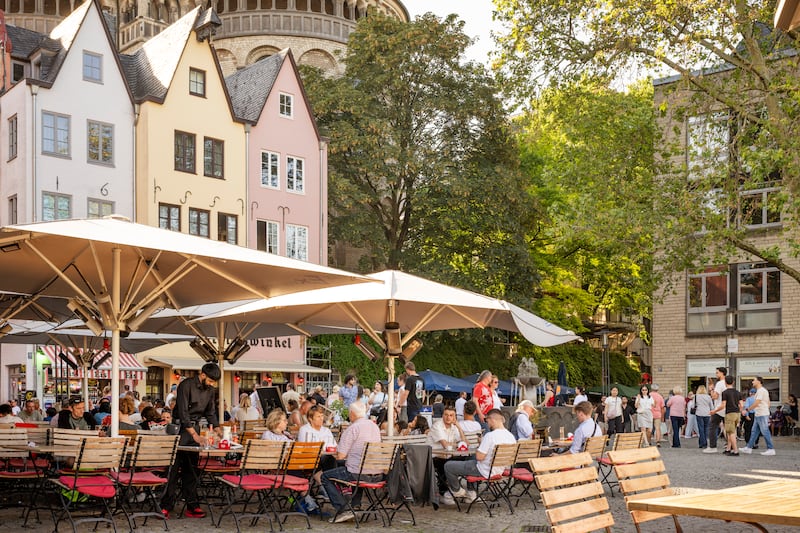
But there is far more to discover beyond bratwurst. In Berlin the döner kebab is essential, served in crispy flatbread. There are food stalls on almost every corner with plenty of delicious Turkish and Vietnamese influences. Right across the country, market halls serve everything from traditional foods to tacos to Korean fried chicken. Different regions lean into different influences. Travellers will always find something quick, easy and delicious to balance out that long list of restaurants you’ll want to get to.
And what to drink with all this wonderful food? You’ll be spoiled for choice. Germany is home to one of Europe’s most dynamic wine scenes, with 13 official Anbaugebiete (wine regions). Many vineyards are concentrated around the Rhineland-Palatinate area along the Rhine river and its tributaries. Steep slate slopes here produce world-renowned cool-climate wines such as Riesling.
The German Wine Route stretches 85km through the Palatinate landscape, from Schweigen-Rechtenbach on the French border to Bockenheim in the north, passing tasting rooms, cellar doors and historic villages. Deidesheim is a charming town along the route, known for its excellent wineries, vineyard walks and seasonal festivals. Bad Dürkheim is another small town along the route but with a big attraction – the Dürkheim Barrel, the largest wine barrel in the world, now used for dining and events. Red wine lovers will enjoy the Pfalz region for Spätburgunder (German Pinot Noir), and there is even more Riesling to try around The Mosel, Germany’s oldest wine region.
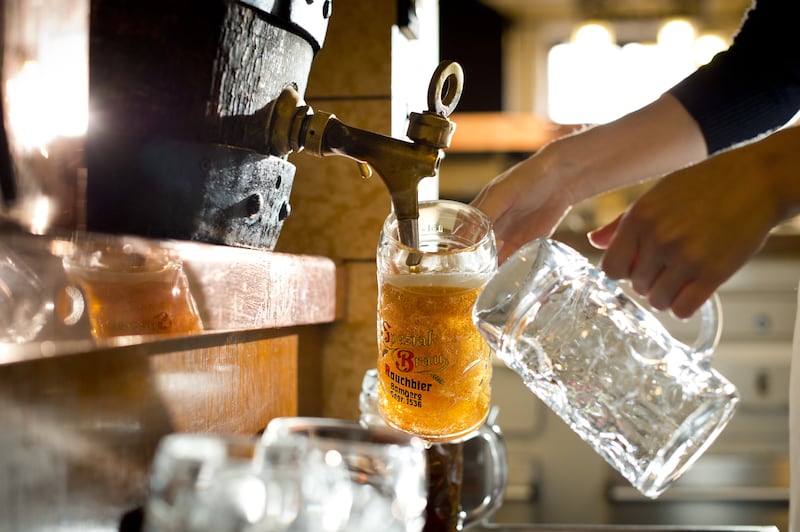
Beer is just as central. Oktoberfest may draw the crowds, but Germany’s brewing culture runs year round. The country has long been a global powerhouse of brewing, and its classic styles have shaped modern craft beer worldwide. It’s a joy to discover the regional specialities, and what you drink often depends on where you are: Kölsch in Cologne, Export in Dortmund and Pils across much of the country.

The Berg Bier Tour, a 115km route through Swabia, links breweries across valleys and villages. Neighbouring Franconia boasts one of the highest concentrations of breweries in the world, and you can easily explore it on foot or two wheels. The town of Bamberg is famous for Rauchbier, a traditional smoked beer, brewed in several historic breweries. Düsseldorf’s old town is home to many microbreweries and brewhouses, pouring their own versions of Altbier, a dark and malt-forward local speciality.
Munich and Upper Bavaria are filled with classic beer gardens and beer halls, where centuries-old brewing heritage sits alongside a strong craft beer scene. However you choose to taste your way around Germany, by bike, on foot or even by river, you’ll find an exceptionally rich culinary journey waiting for you.


