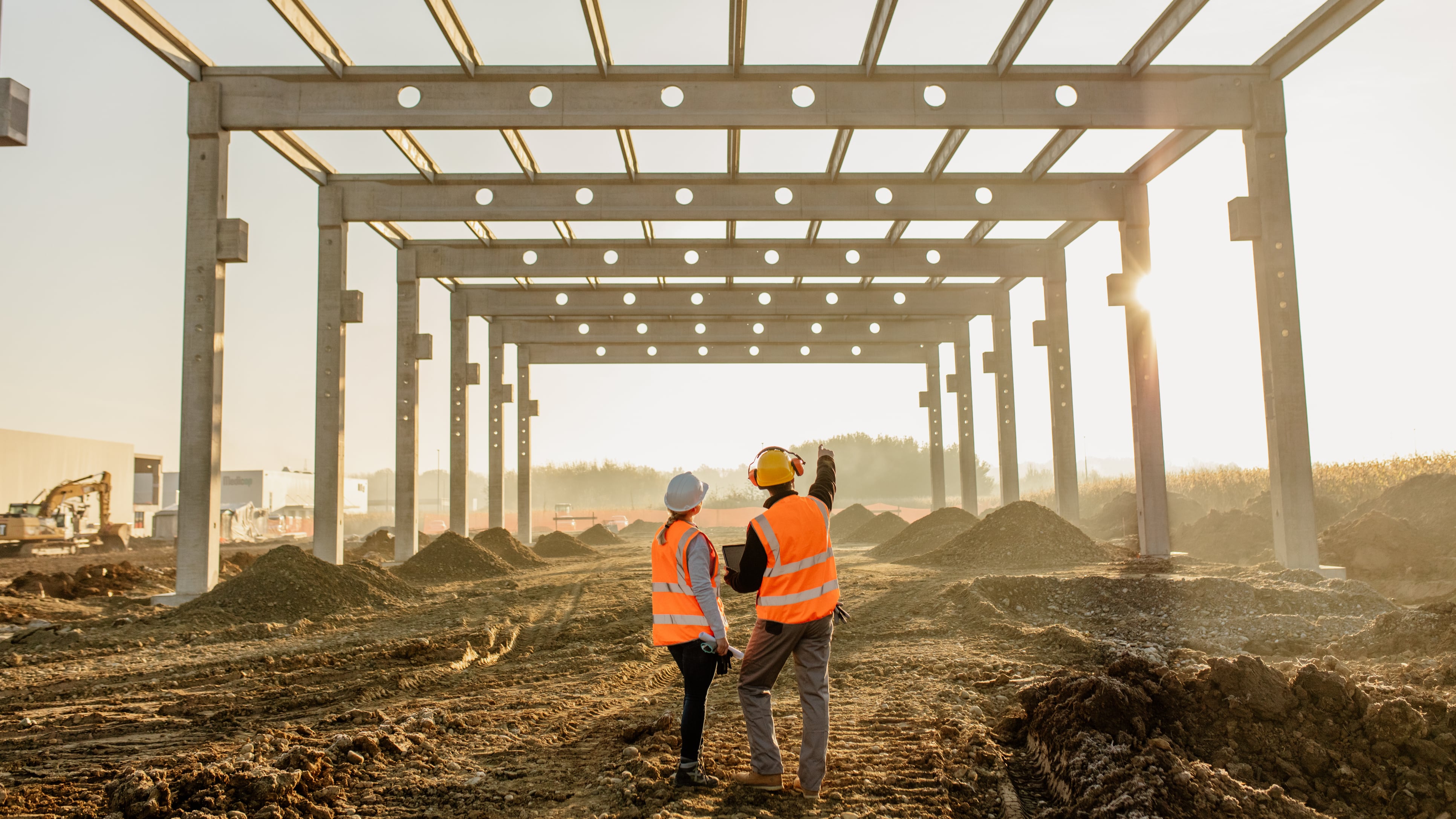
When most of us think of construction, we see people – primarily men – in hard hats on sites. But digital tools are rewriting what a career in construction and engineering looks like, while a fast-growing renewable energy sector is opening up roles in areas like grid and offshore wind development. While technology is changing work, however, it is not removing the need for skilled people.
Maria Walshe, acting executive director at Solas, the further education and training agency, says apprenticeships and further education are already adapting.
“Engineering craft programmes now include technologies such as CAD/CAM, CNC, 3D printing and additive manufacturing, programmable logic controllers, industrial robotics and SCADA (supervisory control and data acquisition) systems,” she says.
Across the construction sector, the wider training landscape is also evolving, with building information modelling (BIM), Revit, Tekla, off-site construction and modular construction reflecting the shift towards digital tools and modern methods of construction.
READ MORE


“Examples of how new technologies and modern methods of construction are being embedded in apprenticeship include specialist modules in BIM, IT and sustainable development within the suite of quantity surveyor apprenticeships co-ordinated by Technological University of the Shannon and Applied Digital Construction within the Level 8 Civil Engineering Apprenticeship co-ordinated by Atlantic Technological University,” says Walshe.
“The priority is to preserve core craft skills while preparing apprentices to work confidently with emerging workplace technologies. Digital skills are intended to complement, rather than replace, traditional craft expertise.”
The same blend of hands-on and digital skills is required in the renewables sector, says Mark Ruane, head of renewable energy skills at Wind Energy Ireland.
“There is still a strong need for practical, hands-on skills, alongside the digital and analytical expertise needed to develop and operate increasingly complex energy systems,” he says.
“At the end of the day you need people to lay wires, connect cables and physically energise projects. Cybersecurity is also becoming more important as energy infrastructure becomes more connected, and AI and drones are being used to improve forecasting, inspect equipment and support maintenance.
“There is particularly strong demand across planning and environmental assessment, grid and high voltage systems, energy auditing, heat pump and solar energy installations.”
As part of Solas’s green skills strategy, nearly zero energy building training has recorded 24,142 enrolments since 2018 to the end of September 2026, delivered through six centres of excellence run by the Education and Training Boards (ETBs).
Walshe says courses in retrofit, domestic heat pumps and solar PV are growing, and Limerick and Clare ETB is planning a renewable energy bay at its Green Innovation Campus for courses in 2027 and beyond. “Designed with industry for industry, courses are tailored to the needs of construction professionals and are available at little or no cost,” she says.
Turning a new skills need into an accredited course can take from a few months to more than a year, but a QQI pilot with six ETBs aims to speed that up by giving them more scope to approve programmes internally.
For jobseekers, Wind Energy Ireland runs a free wind turbine technician programme for eligible participants, combining technical and safety training with an employer placement. Training is aligned with the Global Wind Organisation’s entry level framework and delivered with ASL Safety & Training in Wicklow.
“The course suits people with electrical, mechanical, hydraulic or engineering experience, including those from the emergency services or Defence Forces,” Ruane says.
“Participants need practical problem-solving skills, a good level of physical fitness and a strong awareness of safety. They also need a driving licence, be willing to travel, potentially spending time away from home, and people also need to be comfortable working at heights.”
The next wave of demand will be focused on the grid, Ruane adds.
“High-voltage expertise and qualified electricians are likely to be particularly important, along with specialists in grid planning, balancing and stability.”
Not every role is technical, however.
“Community engagement means keeping people informed, listening to concerns and answering questions, and is a critical part of delivering projects. Done well, it can resolve concerns before a planning application is submitted, reduce avoidable objections and help projects progress more smoothly.”
Wind Energy Ireland’s Work in Wind campaign targets secondary-school students, and a new offshore wind careers platform with salary ranges, skills requirements and links to training is planned for launch shortly.
“The renewable energy industry needs engineers and technicians,” says Ruane.
“But we also need lawyers, accountants, finance professionals, environmental specialists and geophysicists, to name a few. Whatever your interest, there’s a place for you in renewable energy.”