

This year sees a move away from heavily curated, Instagram-friendly homes, towards more lived-in spaces that are layered, collected and personal.
“Personality is key, choosing things that mean something to you and not just cookie-cutter choices designed to impress the people who will never live there. Less showhouse and more soulful interiors for 2026 and beyond,” interior designer Elaine Verdon from Leo + Cici says. “Prioritising longevity in design and harmoniously blending vintage and antique with modern furniture is key,” she adds.
Interior designer Emma Edmonds agrees. “I love mixing old with new, an antique chair with a fresh fabric. I want my clients’ homes to feel authentic; they should reflect the homeowner’s life, travels and family. Paint can definitely elevate a space. That tiny loo under the stairs is never going to feel big but it can look wonderful. I almost always colour drench a small loo. Paint ceilings, walls and woodwork one luscious colour. Try Brinjal from Farrow and Ball. Or Maven by Prestige, from Fleetwood paints.”
Curves are in
“I’m a big fan of curves,” says Verdon, “and they are, thankfully, still having a moment. There’s so much uncertainty in the world right now and we’re all craving comfort and want spaces that feel safe and cocooning. Curved furniture, sofas and sculptural pieces really help set that tone at home.”
READ MORE


Susan Dunne from The Sofa Factory endorses this; curved, sculptural-style sofas and chair designs are very much the trend for 2026/27, with organic, rounded edges replacing sharp lines.
“Customers are keen on modular corner sofas and chaise sofas for open-plan living spaces,” she says. “This allows for flexibility so that you can reconfigure your layout, adding additional seating if needed, which is great for growing families. Curved backs, rounded arms and crescent shapes are very much in vogue, with chunkier-style sofas that are upholstered lower to the ground, with hidden or minimal legs, favourable too. Sustainable hardwood furniture in darker, warmer-finish tones are also very popular.”
Textures
When working with large, open-plan kitchen, living and dining areas, Edmonds tends towards cosy areas. “I find using warm textures helps to create calm and dampen down the noise levels in the room. I like my rugs big enough to take a dining table and chairs, so when you push out your chair it’s still on the rug. Same goes for the seating area. At a minimum, all front legs of sofa or chairs should be on the rug.”
Textured panels on walls are in vogue right now, helping with noise reduction, especially in homes with large feature windows or glass sliding doors without curtains to absorb sound. Look for acoustic panels or natural wood textures.
Verdon says lime-wash paint, microcement, natural stone and raw wood layered with fabrics such as wool, mohair and linen are some of her favourites for 2026. When it comes to kitchens, texture is key, with more variety in stone options coming to the fore for worktops, islands and backsplashes. Concrete-look finishes are paired with wood details to add softness and warmth.
“There are more opportunities now to introduce texture in the kitchen, as this adds depth and creates atmosphere. There are additional choices available and customers can mix and match a wider selection of finishes which allows them to put their own stamp on the kitchen and introduce more of their personality,” says Julie Wilshaw of Kube.
Pantries
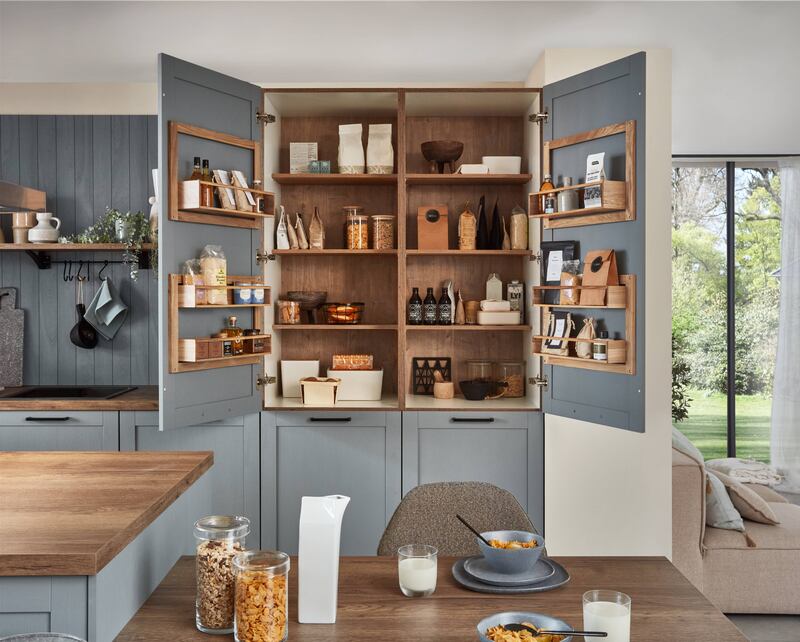
A pantry never really goes out of style but they are having a huge moment and are available in more sizes and finishes than ever before. “They can be as small as one cabinet in your kitchen or as large as a separate room concealed behind a hidden door and they have become increasingly sophisticated, clever storage systems,” says Wilshaw.
Coffee stations keeping machines, crockery and ingredients in one convenient, tidy spot are a growing requirement in most kitchens and Kube are seeing a big demand for drinks cabinets and bars in kitchen areas too.
Colour
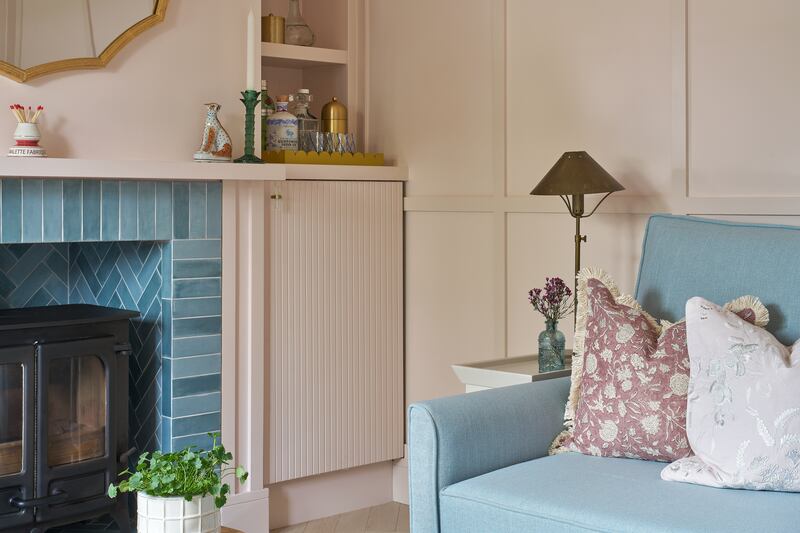
While Pantone’s colour of the year is Cloud Dancer, a meek off-white, in reality there’s definitely a shift to warm earthy colour palettes – terracotta, mocha, sage green, ochre, buttery yellows and dusty blues such as Dulux’s Rhythm of Blues selection of colours of the year: Free Groove, Mellow Flow and Slow Swing.
“In terms of paint trends, colour capping is huge, where the walls and ceilings are painted in different, often complementary shades from the same colour family to add depth and create a cosy, capped effect. Another favourite is high-contrast colour pairings, especially on woodwork where it helps architectural details, window frames and door architraves, to pop,” says Verdon.
Taupe is another shade set to be popular, says Dave Fagan, director at Kube. “There is a definite move towards warmer colours that create a relaxing tone in the home and allow for a moody evening atmosphere when you return from a busy day at work.”
It’s going to be a colourful year for soft furnishings too, with those grey and cold neutrals being replaced with warm earthy tones such as tobacco browns, ochres, olive greens and sandy camels,” Dunne says. “Customers are buying sofas and accent chairs in dark, rich velvets. We are also seeing lots of interest in textured mixed colour chenille’s and bouclés.”

Integrated tech
Emma Edmonds is seeing a more integrated approach to new technology. “Where before clients wanted a big shiny television or cooker hood in plain sight, now they are opting for a more discreet look, so the downward pull of an integrated island extractor or a TV frame that looks like a painting or sliding doors to hide a television. Even the good old Irish kettle is disappearing, it’s all hot boiling taps now. I miss the sound of the kettle and the ceremony of making tea or coffee,” she says.
With many open-plan kitchens now having an adjacent living area on view, kitchen companies such as Kube are creating TV units and livingroom storage to match or complement the kitchen cabinets for a cohesive, seamless solution to integrating the two areas.
Warmer, comfier homes
Energy efficiency is now a design priority as well as a practicality. Start with your windows and doors, Barry Shevlin from Global Home Improvements says. “Upgrading to A-rated, high-performance double or triple glazing makes an immediate and very noticeable difference to comfort levels. Draughts disappear, cold spots vanish, and your heating system simply doesn’t have to work as hard,” he says.
And with the SEAI grants now available for windows and doors in 2026, as well as many other retrofitting projects, there has genuinely never been a better or more affordable time for homeowners to make that investment, he says. “You can make your home warmer, more secure, more beautiful and more valuable – often all at the same time.
“We’re also seeing a very definite retreat from those enormous floor-to-ceiling glass panels that dominated the market for years, says Shevlin. “People are coming back to more traditional proportions – a set of three French doors instead of one vast sliding door, for example. It looks more architectural, more timeless, and frankly it performs better thermally.”
Greys continue to dominate the colour palette, with Agate Grey being Shevlin’s single most requested colour in windows right now. “It’s sophisticated without being cold, and it works beautifully against both modern and period Irish homes.”

First appearances
A front door is the first thing a buyer or visitor sees; it’s the first thing you see yourself every day when you return home. A beautifully crafted, well-proportioned door in a considered colour instantly lifts the entire facade of a home. “We’ve seen properties where a new front door alone has transformed the kerb appeal completely. It’s also one of the most cost-effective upgrades available, the return in both property value and personal enjoyment is exceptional relative to the investment,” Shevlin says.
Lighting
The importance of good lighting is recognised more than ever before, and more innovative internal options are coming on stream. Within cabinets, between cabinets, on shelving, on handle tracks – the options are almost endless. “Kitchen designers now prioritise task, mood and ambient lighting to differentiate working, dining and relaxation areas. This really enhances the spaces, providing the right look for each function and creating a lovely atmosphere for evenings and dark winter mornings” says Wilshaw from Kube.
Fabrics
Fabrics allow you to layer colour and personality on top of neutral walls and key furniture pieces. Choose accent chairs in bold, rich colours or geometric patterns and go wild with scatter cushions in colourful patterned fabrics, says Dunne from The Sofa Factory. Layer cushions with different patterns, such as embroidered florals or stripes, or use tapestry-style heavy, woven textiles with geometric shapes. “Strong, rich, earthy velvets and linens are in, as well as animal motifs displaying deer, birds, foxes and rabbits,” she adds.
Edmonds agrees: “Print on print, wallpaper on ceiling, stripes with rose prints. The joy is back in interior design!”
For more information on the show and to register for free tickets, visit idealhome.ie


