
Angela McGowan, the director general of the Confederation of British Industry in Northern Ireland, watched TV news reports on Monday night on the pay offer to public servants in the Republic.
“I just couldn’t believe it. I was thinking of my poor members on the border, if they have to keep up with this. And I don’t even know if it was accepted,” she said about the then 11.5 pay offer on the table.
McGowan’s incredulity was displayed at the launch in the Royal Irish Academy in Dublin of a major report by the CBI, the Dublin-based employers’ group, Ibec and recruitment firm.
The North/South pay gap is one of many issues affecting the all-island jobs market, particularly for Northern organisations on the Border unable to compete with better-paid, and easy-to-get-to jobs just a few miles away.
READ MORE

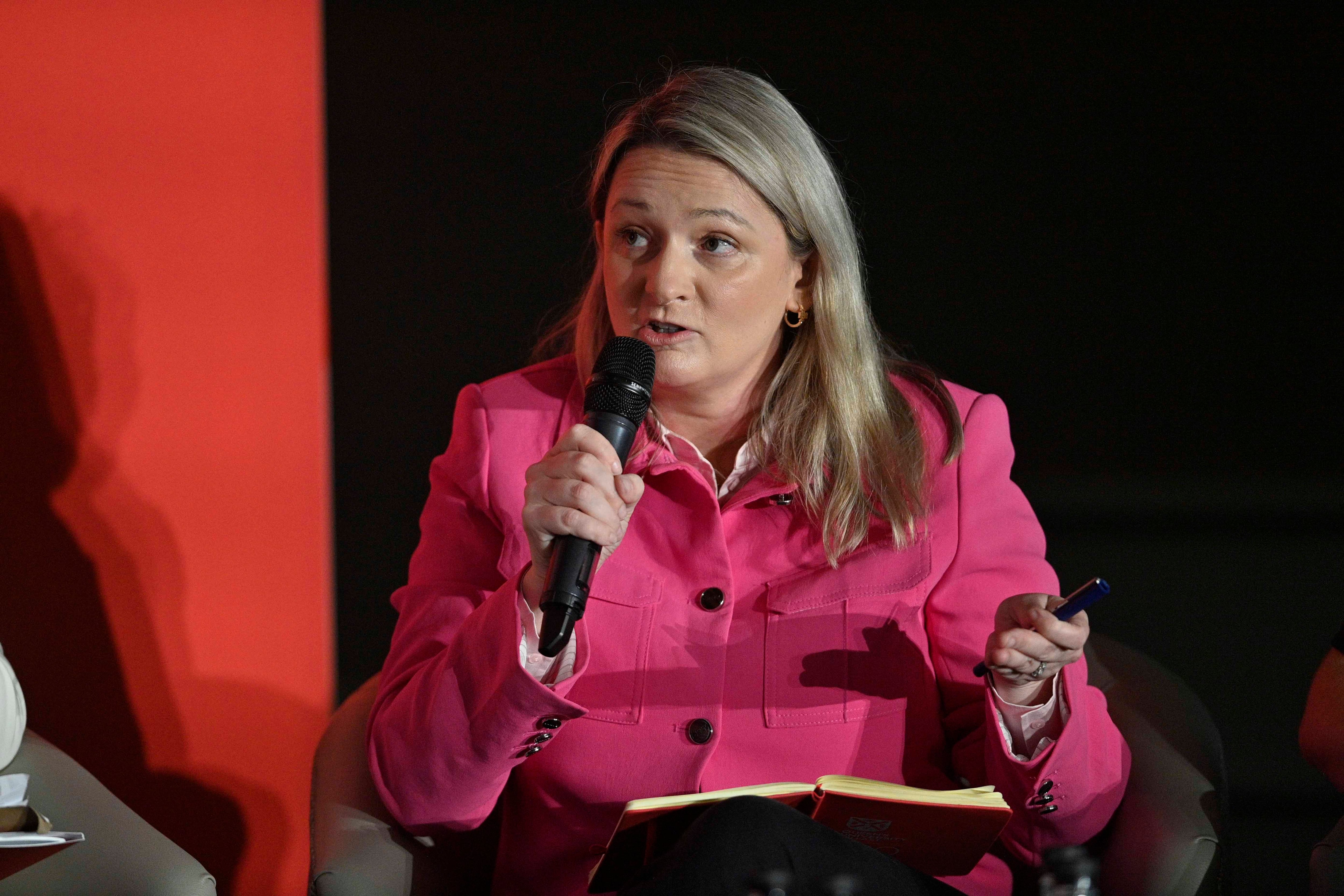


For Eileen O’Malley of The Wheel, which has with European Union help recently created the first-ever all-island alliance of charities, community groups, and social enterprises, the issue is a daily problem.
In the alliance’s first few meetings, recruitment, taxes and pay issues across the island has been flagged again and again with people living just a few miles apart getting dramatically different wages.
Four-year-old figures suggest that 18,000 people cross the Border daily for work, though, in reality, the number has grown dramatically in the years since – especially in construction.
However, there are complications aplenty for employers, especially in hiring workers who want to work remotely – since cross-Border tax laws have not fully caught up with hybrid working.
“There is a groundswell of frustration, particularly since Covid, but even before that,” Fergal O’Brien of Ibec declared, “particularly in the Border areas who have been really active on this agenda.”
The issue goes far beyond tax: “Some companies are saying that unfortunately they can now no longer hire cross-Border because they are worried about tax compliance issues,” he said.
McGowan quickly agreed, pointing out that differences in Irish and UK pensions rules cause real complications: “Unless your pension is recognised in the UK, you’re not entitled to relief there.”
The headaches for HR departments are illustrated by someone who works four days in Dublin and one day at home in Northern Ireland, paying southern income tax for the days spent in Dublin.
However, they are liable for UK tax on all income, with credit for Irish taxes paid. Equally, they are liable for Irish PRSI, but not UK National Insurance if they work for a day at home, but they are if they work two.
Top-up tax bills are a particular issue for Northern Irish people working in the Republic, with more than half surveyed for the Ibec/CBI/Hays report saying such bills are a deterrent.
Less than a third of people in the Republic working in Northern Ireland find top-ups such a fear because southern tax rules offer transborder workers’ relief, removing foreign earnings from Irish income tax liability.
For McGowan, things do not have to be exactly the same: “But they do need to be aligned so that two payrolls, two regulatory systems can work as close as possible together.”
The difficulties facing employers increase with foreign-born staff, since they do not enjoy the same Common Travel Area rights as do Irish and British citizens, even if they are legally living in the Republic.
One in five people now working in the Republic are not Irish citizens, but those employees could not be stationed by their employers in Northern Ireland-based operations.
“That’s a real practical day-to-day challenge for some firms, who need to have a single organisational chart. They don’t have that ability within their own teams,” said O’Brien.
Making cross-Border hiring easier brings all sorts of advantages, argues O’Brien: “This is a really in-depth piece of research. The bit that jumps off the page for me is how tight our labour markets are.
“Things are exceptionally tight. Hiring managers say that over two-thirds of them believe the skills that they need are available on the other side of the border. That’s really, really significant.
“That demonstrates the untapped potential there. The skills are out there. We need to work harder to make sure that they’re fully accessible, and that the all-island labour market functions well,” he declared.
Knowledge is everything, the research shows. Half of those in firms that have hired cross-Border think of the island as a whole when they think about recruitment.
Yet just a fifth of those in firms that never have think the same.