If you are the squeamish sort then perhaps look away now, for I’m about to discuss the noxious eating habits of the larvae of a very common pest in Irish gardens.
I say “larvae” because that’s the correct entomological term, but in truth most of us would probably describe the infant vine weevil as a maggot, with all the skin-crawling revulsion that comes with the word. Plump, legless, with a c-shaped, segmented body the colour of boiled chicken, topped off with a head – if you can call it that – the colour of excrement, their only favourable physical attribute is that they’re distinctive to the eye and are easily spotted.
This is important, because what makes the larvae of the vine weevil particularly loathsome to gardeners is their need to feed voraciously on the roots and crowns of plants, especially those in pots and containers growing in a peat-based compost. The result is that one moment you have what looks like a perfectly healthy specimen, but the next it’s collapsed in a sad, wilted heap of leaves, a not-uncommon phenomenon at this time of year as afflicted plants try – and subsequently fail – to burst into new growth.
Much has been learned about the life cycle of the vine weevil (Otiorhynchus sulcatus) since this pest first became widespread in Irish gardens some time in the 1980s. What’s very clear is that the explosion in its numbers neatly dovetails with the international horticultural industry’s adoption of peat as its go-to growing medium. The vine weevil, it turns out, loves peat every bit as much as most plants do, and for much the same reasons, which are for its softness, fine texture and ability to retain moisture. All help its eggs and larvae to survive until the latter pupate into adults.
READ MORE


Ireland’s milder winters also suit it, as does the habit of many gardeners to buy too many plants with the best of intentions of getting them in the ground, only to put this on the long finger. Unfortunately, this kind of benign neglect provides the eggs and larvae with the perfect window of time, typically a period of between nine and 11 months, in which to complete the beetle’s life-cycle.
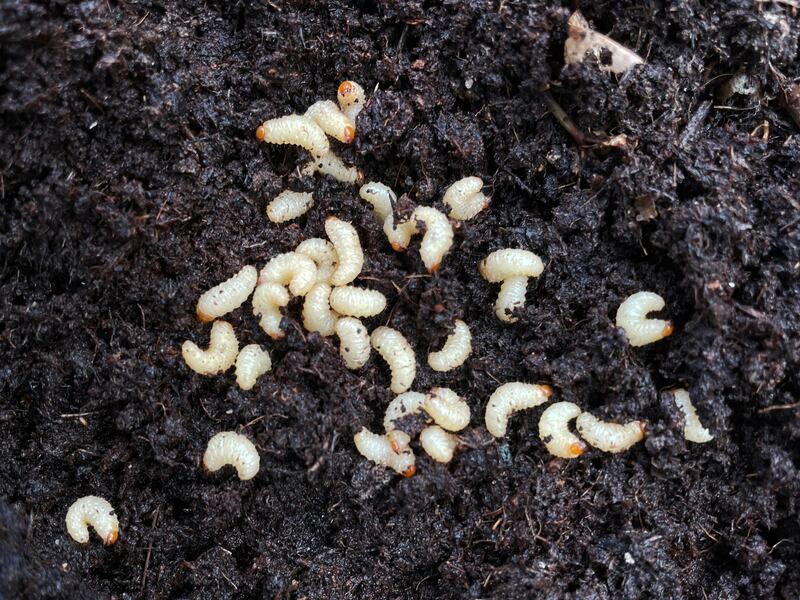
To add to your shudders, I must tell you there’s a very good chance that your garden has vine weevils, even if admitting to such a failing is considered by some to be akin to announcing that you have smelly feet. I write this having myself recently discovered an abundance of its distinctive larvae concealed in the root ball of a potted geum bought late last summer.
Not that I blame the garden centre from which I bought it (well, maybe just a little bit).
Truth is, it’s hard to fully control the spread of a pest that’s proved itself so ideally suited to the modern horticultural industry’s streamlined supply chain. Yes, most plant nurseries use a mixture of chemical, biological and physical controls to help protect young container-grown stock, but even these only remain effective for a relatively short period of time.
Bear in mind that research confirms that organically managed gardens are much less vulnerable to vine weevil damage
Add to that the fact that just one adult vine weevil can lay up to 1,000 eggs during the April-October growing season, with the larvae typically hatching out in the compost some two weeks later. These then feed stealthily on the host plant’s root systems for many months, taking a hibernatory break in deep winter before typically starting up again in spring in preparation for pupation around April-June, or earlier again under cover or in very mild, sheltered gardens. After this, the whole revolting process starts all over again.
[ I think I might have vine weevils: Should I be worried?Opens in new window ]
Just like the larvae, the adult beetles are also soil dwellers, emerging at dusk to feed on the leaves of host plants. Hard to spot as well as to trap, the most obvious sign of their presence is the distinctive ticket-collector’s notch they make in leaf margins. But it’s the larvae that do the real damage. Certain species of plants are particularly favourite fodder for the latter, often resulting in death because of the damaged root systems being incapable of supporting plant growth. Examples include primula, polyanthus, heuchera, heucherella, tiarella, hosta, potentilla, saxifraga, sedum, bergenia, epimedium, cyclamen, fuchsia, euonymus, azalea, camellia, taxus, thuja, viburnum, vitis, ribes, hydrangea and rhododendron.
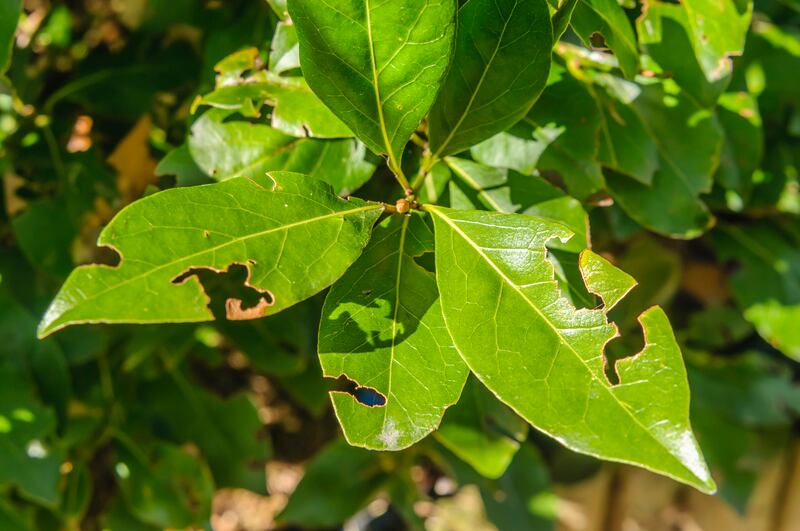
How to prevent this damage? The first thing to do at this time of year is to examine any container-grown plants for signs of faltering growth as well as those distinctive notches to the leaf margins. If you do suspect the presence of the larvae, then gently tip the plant out of its pot and look for them amid the compost. An infested plant can sometimes be saved by gently shaking the compost loose (be sure to bin this), and then thoroughly rinsing the entire root system in water before quickly repotting it into a freshly washed pot and ideally placing it at least 10 metres away from its original position. Just make sure to use a peat-free compost and to mix in some sharp horticultural grit, which the larvae dislike. Coir-based composts should also be avoided, while a gritty top dressing helps to discourage any adult beetles from laying fresh eggs.
[ Slugging it out in the garden without something nasty from the shedOpens in new window ]
Other relatively recent innovations that help to control this garden pest include the carefully timed use of targeted biological controls such as Entonem (pre-order from quickcrop.ie or fruithillfarm.com), using specific nematodes applied as a soil drench. While best used in autumn, they’re also very effective when applied at this time of year, while the larvae are still readying themselves to pupate into adult beetles. Choose a damp, cool but not cold day to do this (minimum temperatures need to be above 5C), making sure to only treat pots and those areas of the garden where you suspect vine weevil larvae to be present.
Lastly, bear in mind that research confirms that organically managed gardens are much less vulnerable to vine weevil damage, due to the absence of peat and the widespread presence of natural predators including ground beetles. Well, at least somebody loves vine weevils...
This week in the garden
Hand-weed around the base of fruit trees and bushes, taking care not to damage any roots near the surface. Then sprinkle a few handfuls of slow-release pelleted organic fertiliser before finishing off with a soil-nourishing, weed-suppressant organic mulch.
Prepare the ground for planting potatoes by weeding it, taking care to remove the root systems of stubborn perennial species such as dock, buttercup, dandelion and ground elder. Potatoes need a deep, fertile, moisture-retentive but free-draining soil in full sun, ideally enriched with well-rotted manure.
Dates for your diary
Spring Plant Fair at Claregalway Castle, Co Galway. Tomorrow, Sunday, March 29th (11am-5pm). With stalls from many of Ireland’s leading independent plant nurseries, local craftspeople and food producers, plus an exhibition of Irish botanic art, galwaygardenfestival.com
Great Plants for Every Garden and How to Use Them, an illustrated talk by Kilkenny gardener and author Des Doyle, Altamont Walled Garden, Co Carlow. Sunday, April 11th (11.30am-1pm). Pre-booking essential. altamontplants.com