
“Wool is the new yoga,” declares Bláthnaid Gallagher. Gallagher is a well-known Galway sheep farmer and passionate advocate of Irish wool and its many uses. In July she will once again gather sheep farmers, sheep and craftmakers together at her annual Meitheal in the mart in Athenry.
The current oil crisis is affecting the price of polyester, an oil-based product extensively used in fast fashion and notorious for destroying the environment as it doesn’t decompose. With new European policies regarding textile waste and provenance coming into force, wool is having a moment in the spotlight. It’s well deserved. We have an estimated four million sheep in this country, and the cost of shearing does not cover the price farmers get for their fleeces, a scandalous fact given the valuable properties of this fibre – particularly in this waste-conscious age.
There are some signs that attitudes are beginning to change. Under new regulations, fashion brands selling into the EU must pay for textile waste; unsold goods cannot be destroyed; the product date and provenance must be declared on digital product passports; and there will be rules on durability and recycling. For those who care about where what they wear comes from, this will make purchasing choices easier.
A conference will take place in Tralee, Co Kerry this Saturday, March 28th to mark European Day of Wool. Here, we are focusing on several developments happening in Ireland that are worth highlighting. Some may surprise readers.
READ MORE


Guinness x JW Anderson
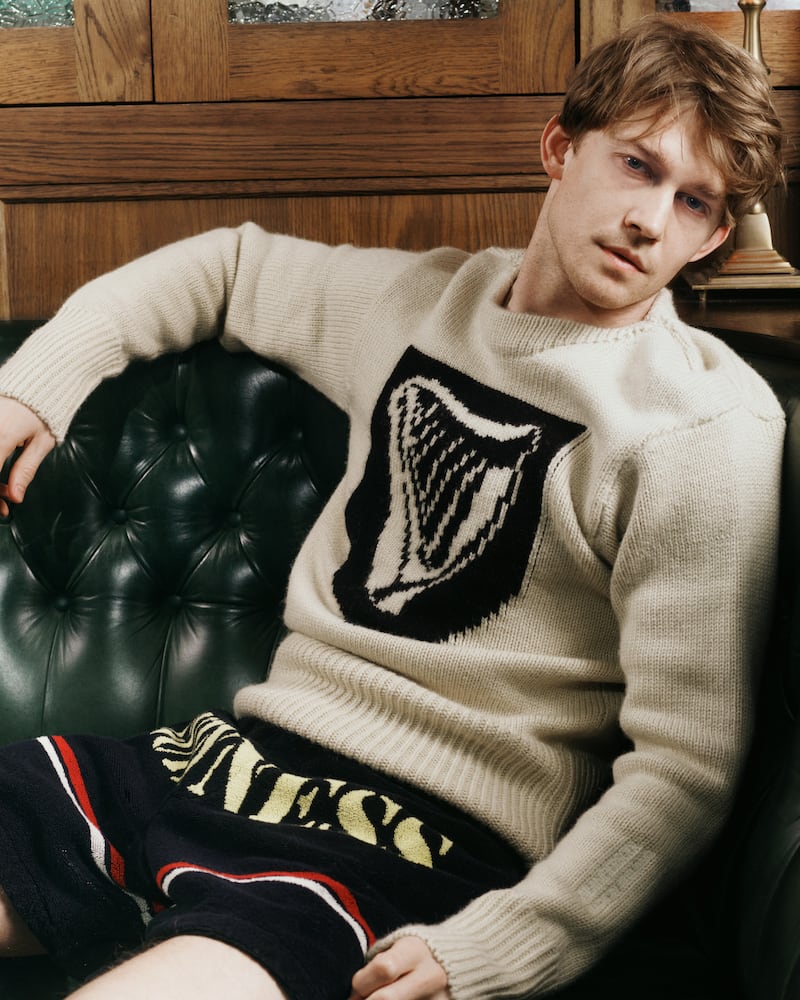
Pride of Place is the second JW Anderson collaboration with Guinness, a collection of 17 items decorated with brand iconography that will be sold all over the world. The famous Guinness harp logo is embellished on a sweater made with Irish wool from Wicklow, modelled here by actor Joe Alwyn. The yarn comes from the fleece of pedigree Bluefaced Leicester and Romney sheep on Lionel Mackey’s farm in the Glen of Imaal. “Forty kilos of our wool were tested by JW Anderson’s team, and Jonathan loved it and wanted to use it. The sweater was then made by Deerpark Knitwear in Kildare,” explains Mackey’s partner Zoe Daly.
A woollen mill they bought from Co Meath that had originally been destined for Iceland will be operational in September with funds from Leader, AIB and Circuleire, Ireland’s first multimillion euro circular innovation network. It will be the first worsted spinning mill in Ireland since most were dismantled and sold to developing countries. Worsted spun wool is smooth, strong and soft and more suited to Irish wool, whereas the oil used in wool spun with merino makes the yarn loftier and airier. “We have used both, and the difference is like that between chalk and cheese,” Daly says. “We will now be able to bespoke spin yarn, which was how it was done originally in Ireland.”
Woolstore
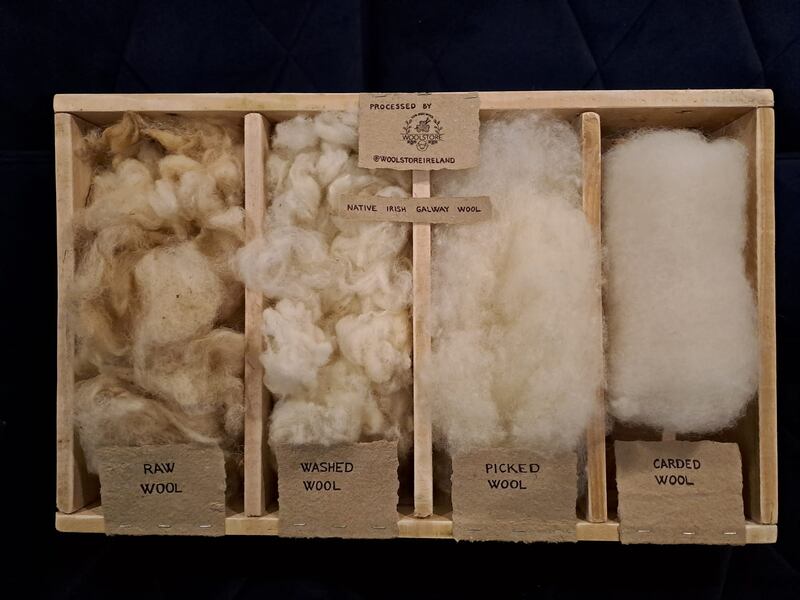
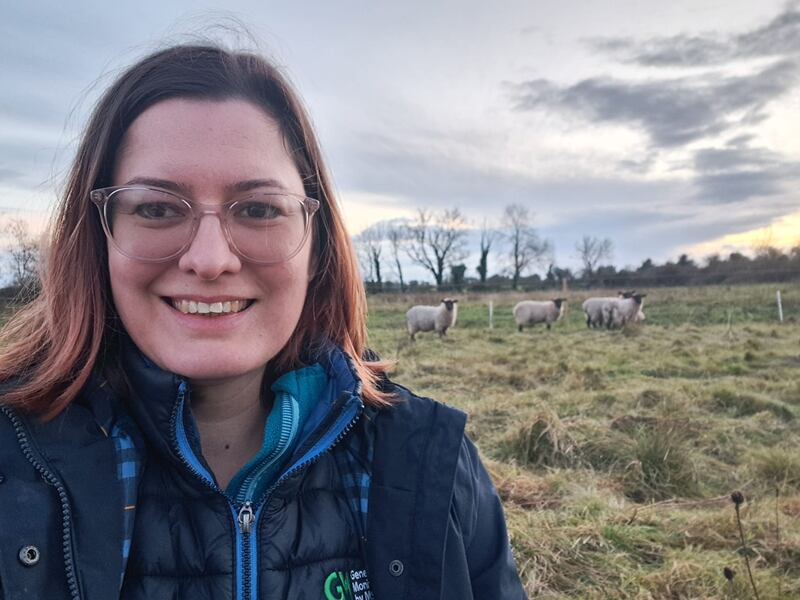
There is no facility in Ireland for scouring and cleaning fleeces; they must be sent to Bradford in the UK, and costs have risen since Brexit. In Galway, Slovakian Katarina Hruskova, the granddaughter of a sheep farmer, is now offering a wool washing and processing business for sheep’s wool, the only one of its kind in the country, washing, picking and carding wool for local farmers and textile crafters. She can process 200kg a month.
[ About 4,500 woollen scarves at the heart of Ireland’s diplomacy plans for EuropeOpens in new window ]
She uses natural soap and rainwater and can create liquid fertiliser from the scouring waste, “so I aim to become a circular company, offering certified organic wool,” she says. She also processed wool for the exhibition of renowned Colombian artist, poet and activist Cecilia Vicuña currently running at the Irish Museum of Modern Art until July.
Avoca x NCAD x Galway Wool
Last September Avoca partnered with the National College of Art and Design, tasking textile students with a design brief to create a mini collection of three pieces using 100 per cent native Galway wool, purchased from the Galway Wool project. The overall winner was Thea Drislane, who took home €1,000 and a three-month placement with Avoca; her winning designs will go on sale next season. Her collection was inspired by Irish folklore and the story of the salmon of knowledge, drawing motifs from the scales of the salmon found in the Avoca river running by the company’s 300-year-old mill.

“Her project demonstrated her strong use of colour, her craftsmanship in her handwoven and knitted textiles, along with excellent visualisation combining hand-drawn and digital skills. We loved her contemporary twist and twill weaves, and her outerwear makes for a very commercial collection,” said Fiona Daly, textile designer at Avoca.
Rathlin Island rope
The only inhabited offshore island of Northern Ireland was the focus of a pioneering initiative led by professor Alison Gault and Anna Duffy of the Belfast School of Art, University of Ulster. Through a co-design process involving local community and farmers, and starting with sheep shearing on the island, the fleeces were sorted, graded, scoured, spun and the raw fibres converted into yarn, producing a range of products from what was originally a category three waste product. They experimented with natural dyeing to create a Rathlin-inspired colour archive, prototyped biodegradable ropes to address microplastic pollution and support local kelp farming, as well as creating Aran and Fair Isle knitwear designs using the local wool. So, the fleece was traced from farm to fashion.
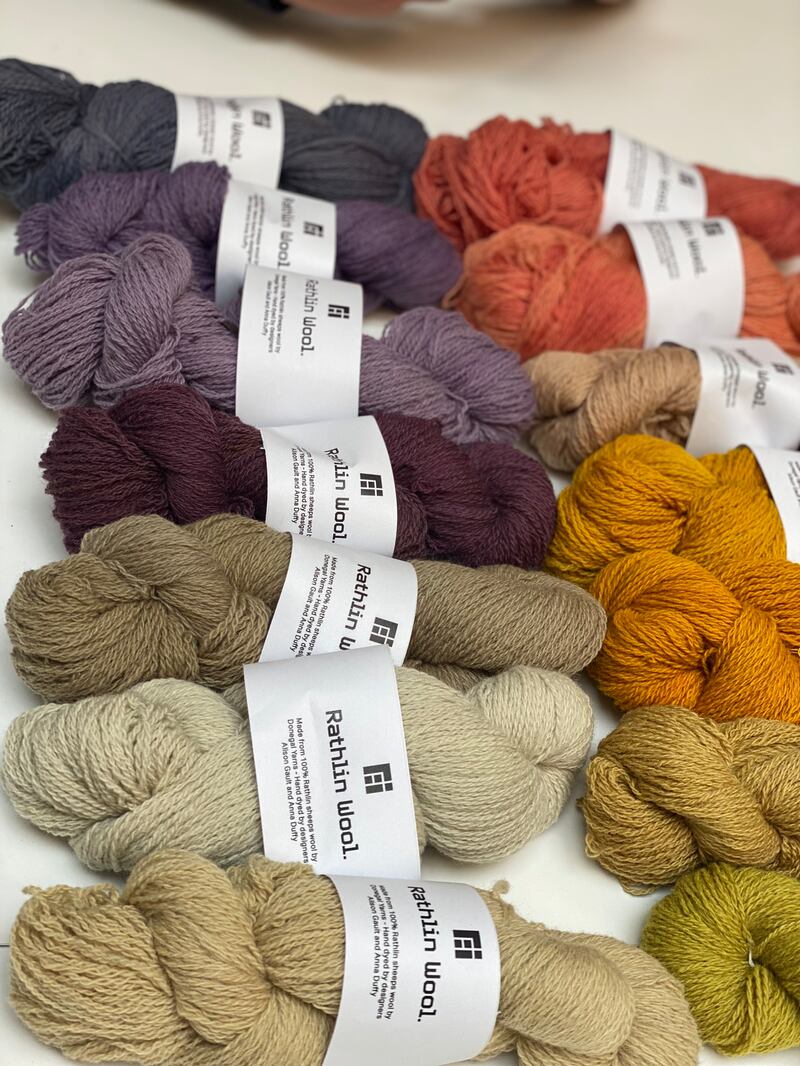
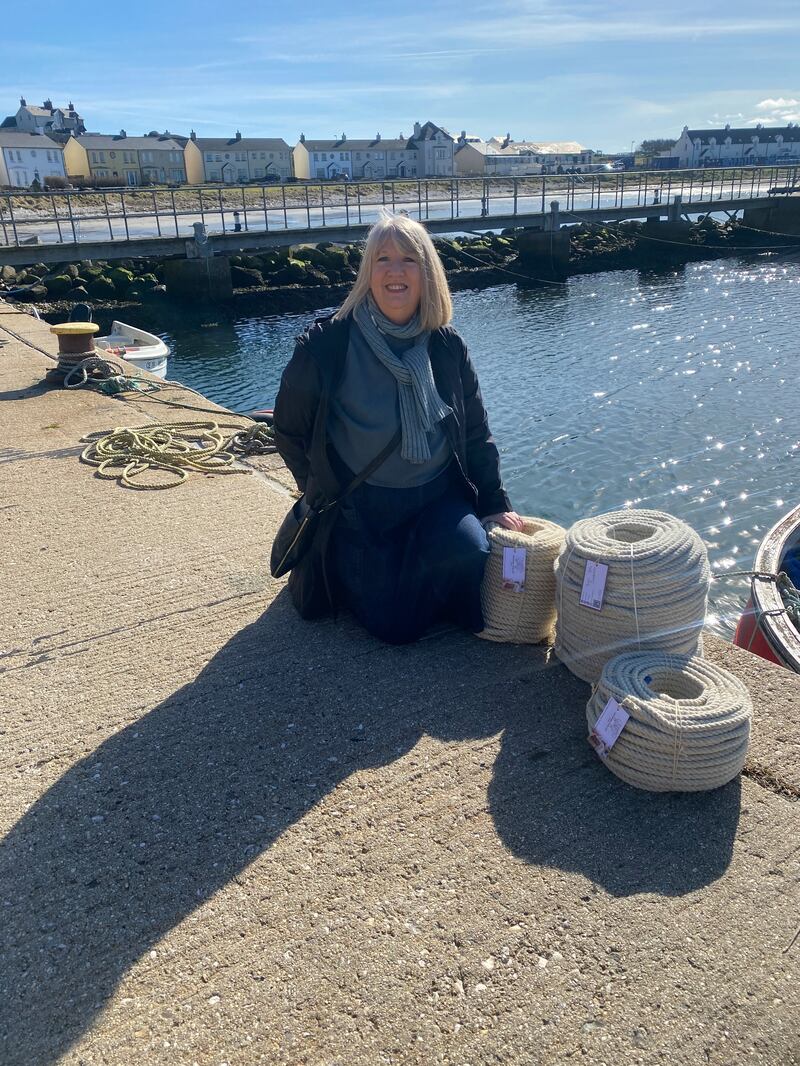
“Rathlin’s sheep and their coarse fleece is typically dismissed by commercial textile supply chains,” says Gault. As a result, farmers face high shearing costs of £2.50-£3.50 per sheep, yet receive as little as 16p-34p per kilo for Blackface wool. “This project aims to change this by reframing Blackface wool as a valuable, place specific material.” Gault’s work with Mourne Textiles, and the establishment of a small-scale spinning mill, demonstrates how coastal communities can integrate local ecologies and economies through design.
Dooley’s Wool
In the business for more than 60 years and situated in the foothills of the Slieve Bloom Mountains, Dooley’s blankets, duvets, mattress toppers and pillows are made from Irish wool from local sheep farms. “Wool is the most natural, sustainable and environmentally friendly fibre available. It is biodegradable and contains natural anti-allergenic properties, making it suitable for asthma and allergy sufferers. And wool duvets naturally regulate body temperatures,” says Kevin Dooley. He also points out that the properties of wool cannot be synthetically replicated. “We have nine farmers on board, and if we can eat into the synthetic market, we can use more farmers’ wool and pay more farmers.” Dooley will be speaking at the conference in Tralee.
Rough Circle
Christine Jordan’s Rough Circle wool workshops and classes, located between Bagenalstown and Leighlinbridge in Co Carlow, began through a chance encounter with a textile specialist in 2016. The meeting inspired her to return to design education from a career in food and to study printing, weaving, ceramics and jewellery design at Grennan Mill Craft School in Thomastown. After completing her thesis on how craft can integrate with agri-tourism, she began experimenting with creative projects including textile printing and weaving.


She also bought two Swiss Valais Blacknose lambs to mow the grass. Her flock has since grown to 50 and she now uses their wool for textile products. “The scale of the pieces I make mirror each sheep’s wool yield, serving as a visually striking textile piece created from start to finish on-site,” she says from her studio and workspace, a cottage beside her house on the Barrow towpath. Her immersive wool education retreat takes place in May – five places were gone in days from people flying in from the US. Her next workshop, From Sheep to Fibre: A Day of Wool takes place on Saturday, July 18th.