Vera (75) sits by the phone in the Samaritan’s centre in Dublin for three hours a week, listening to the problems of strangers.
She has noticed over the 50 years she has volunteered that “you never know what you’re going to get when you pick up the phone”.
Known as Vera3, because the charity doesn’t provide the surnames of its volunteers, she joined the organisation as a volunteer in 1974. Yet the role hasn’t changed all that much in that time.
“You get everything under the sun. For some people, they just want to talk to people about anything. You see loneliness from all people. But a lot of the trends have stayed the same: mental health issues, relationship issues,” she said.
READ MORE


“But some of the issues have changed because society has changed, particularly in relation to the acceptance of various people, such as gay people.”
She was in her mid-20s when she decided she wanted to volunteer, first helping with the Simon Communities' soup run. During this time, it struck her how much people “love to chat”, leading her to join the Samaritans, which provides emotional support to anyone in distress.
“When I look back, that decision to join was probably one of the best of my life. I’ve got so much from it, you get a real understanding of how people are. I’m thrilled to still be here 50 years later and I’ll continue to do it as long as I can get myself out to the centre.”

Vera was speaking as the charity launched a new training scheme, offering daytime training slots, rather than just evenings and Saturdays, in an attempt to attract retired people or those on shift work.
The need for an increased volume of volunteers comes as demand of the service continues to grow. The Dublin branch opened up 55 years ago in 1970, at which point it received over 1,000 contacts. Last year, there were nearly 89,000 calls and emails answered by the organisation, up from the 83,000 the previous year.
Volunteers commit to three hours per week and one “night duty” every two months. The organisation said it needs to increase volunteer numbers to continue offering people free listening and emotional support nationwide.
Dublin Samaritans has 300 volunteers who provide 24/7 support, 365 days a year.
Mary McMahon, volunteer director at Dublin Samaritans, said there are volunteers from all walks of life and of all ages.
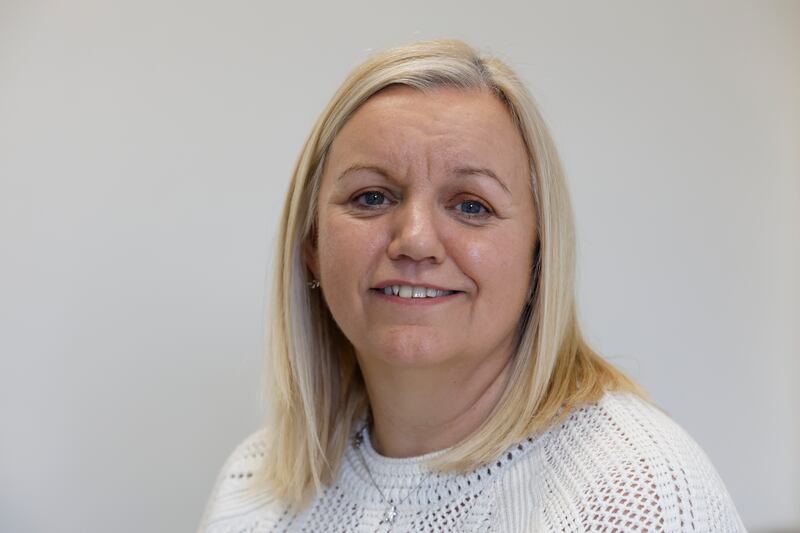
“The four main areas the calls are about tends to be mental health difficulties, loneliness and isolation, relationships and family issues,” added Ms McMahon.
“As a volunteer, you’re there when people really need you. It’s a huge privilege to be on the other side of the phone in someone’s time of need.”
Samaritans can be contacted 24 hours a day, seven days a week, on the freephone helpline number 116 123 or email jo@samaritans.ie.